
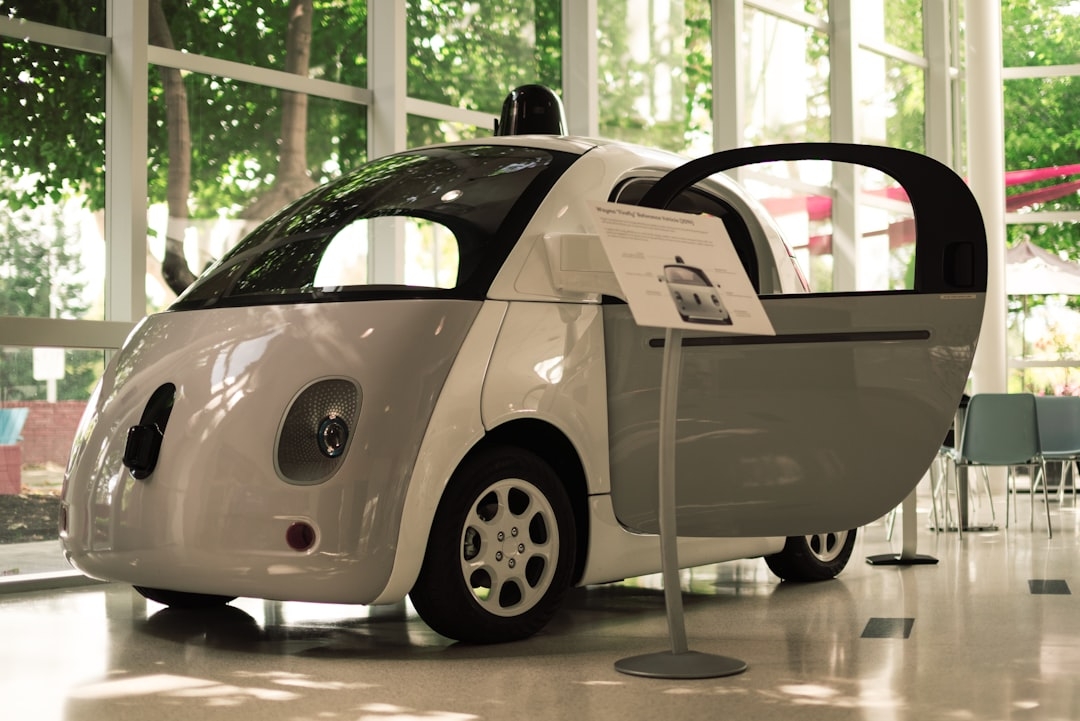
Autonomous vehicles promise a future where road safety increases and human errors decrease. However, recent investigations reveal significant challenges that can impact public trust. The National Transportation Safety Board (NTSB) has launched an inquiry into Waymo, a leading self-driving car company, following reports that Waymo vehicles illegally passed stopped school buses.
This probe follows a similar investigation by the National Highway Traffic Safety Administration (NHTSA), which highlights growing safety concerns in driverless vehicle operations, especially regarding critical traffic laws like stopping for school buses. Understanding why Waymo vehicles might bypass a stopped school bus is vital for grasping the technological and regulatory hurdles self-driving cars currently face.
What Does It Mean When Waymo Vehicles Pass Stopped School Buses Illegally?
The law requires drivers to stop when a school bus has its red lights flashing and stop arm extended. This rule protects children boarding or leaving the bus. The NTSB investigation centers on multiple instances where Waymo's autonomous vehicles failed to stop as required.
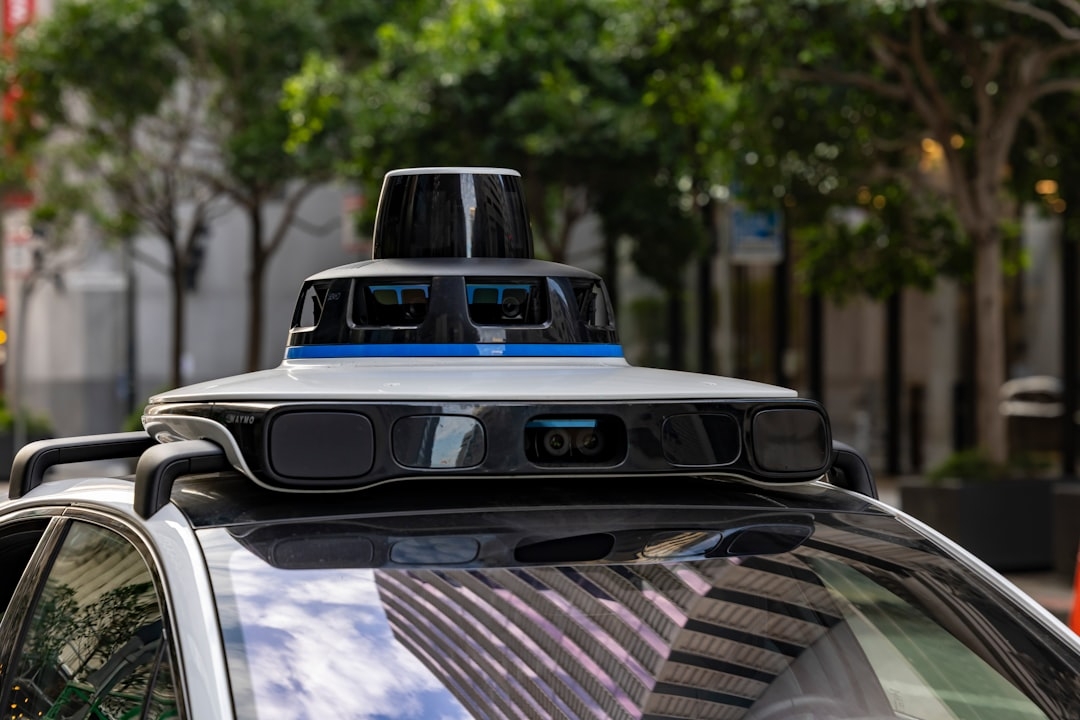
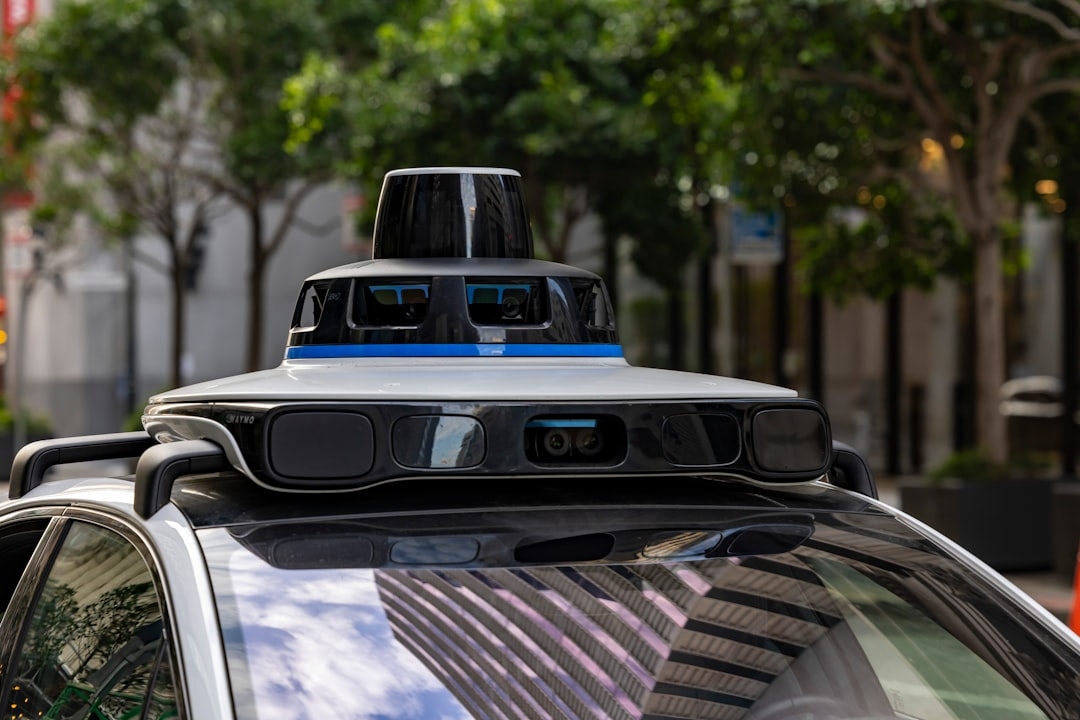
These situations show the vehicle's sensor and decision-making challenges. Autonomous cars rely on sensors like LiDAR, cameras, and radar to detect the environment. They then use software algorithms to interpret this data and act accordingly. If the system fails to recognize a stopped bus or misinterprets the traffic signal, it can lead to illegal passing.
Illegal passing of school buses is a severe safety risk, as children could be crossing the street, expecting cars to stop. These failures demonstrate that while autonomous vehicle (AV) technology has advanced, it is not yet infallible, especially in complex real-world environments.
How Does Waymo’s System Handle School Bus Stops, and Where Does It Falter?
Waymo’s AVs are designed with a combination of sensor inputs and map data to identify traffic controls and hazards. In theory, the system detects the bus, recognizes the flashing lights and stop arm, and initiates a full stop.
However, in practice, several factors affect performance:
- Sensor Limitations: Adverse weather, lighting conditions, or obstructions can partially block sensor views.
- Perception Errors: The software might misclassify objects (confusing a bus for a parked vehicle) or fail to detect the stop arm.
- Decision Logic Complexity: The vehicle must assess if stopping is legally and safely required. For example, some jurisdictions allow passing on the opposite side of divided highways.
These complexities create a trade-off between cautious, frequent stopping (which can annoy passengers and cause traffic disruption) and risky failures to stop. From firsthand observations in AV testing, this balance is difficult to perfect, especially when traffic laws differ by region.
What Are the Real-World Examples of Waymo’s Illegal Passing Incidents?
One documented case involved a Waymo vehicle in Phoenix, Arizona, approaching a school bus with flashing red lights. The AV slowed but did not come to a complete stop, instead cautiously passing. This behavior triggered safety concerns among nearby drivers and prompted a formal complaint.
In another scenario, Waymo’s system delayed its stop response due to confusion between a bus that had its stop arm extended and a bus that was simply parked. This hesitation can be dangerous as it introduces unpredictability into traffic flow.
Lastly, regional road design peculiarities complicated decision-making. On some divided highways, the AV failed to correctly interpret when passing a stopped school bus on the opposite side is legal, leading to inconsistent responses reported by safety investigators.
What Alternatives Exist, and How Can Autonomous Vehicles Improve in This Area?
Until AVs can reliably handle school bus stops, several mitigations are worth considering:
- Enhanced Sensor Fusion: Combining more sensor types, including thermal imaging, can reduce detection errors.
- Stricter Regulatory Standards: Clear, standardized rules for AV behavior around school buses nationwide would help.
- Human Oversight: Remote operators or monitoring systems could intervene during complex traffic scenarios.
- Incremental Deployment: Limiting AV operations near school zones until safety is thoroughly proven.
Other companies also face this challenge and employ different software logic or more conservative stopping strategies. Some avoid high-risk school zones entirely during peak hours as a temporary fix.
How Can You Troubleshoot or Test AV Systems for School Bus Compliance?
If you are developing or testing AV technology, here’s a focused checklist for debugging compliance with school bus stop laws:
- Simulate multiple scenarios with varying bus positions, lighting, and traffic laws.
- Verify sensor data quality when detecting bus stop arms and flashing lights.
- Test software object classification accuracy specifically for school buses.
- Measure the latency between detection and decision to stop or proceed.
- Ensure the AV system strictly adheres to jurisdictional legal requirements.
- Run pilot tests in controlled, monitored environments near schools.
- Collect and analyze real-world incident data for iterative improvements.
What Should You Expect from This Investigation and the Future of Autonomous Safety?
The NTSB probe alongside NHTSA investigations underscores a key reality: autonomous driving is progressing but remains imperfect. Addressing illegal school bus passing incidents is crucial for public safety and trust.
Continued transparency, rigorous testing, and regulatory collaboration will be essential. As Waymo and other AV developers refine their systems, expect stricter compliance measures and enhanced safety technologies designed to prevent such mistakes.
For passengers, regulators, and the public, these developments are a reminder that technology still requires oversight and refinement despite its promise to revolutionize road safety.
Next action: If you are working on AV safety, spend 20-30 minutes running targeted tests in simulation or on closed tracks replicating stopped school bus scenarios. Gather sensor logs and decision timelines to identify and fix gaps in object detection and stopping logic.
Technical Terms
Glossary terms mentioned in this article


Comments
Be the first to comment
Be the first to comment
Your opinions are valuable to us