
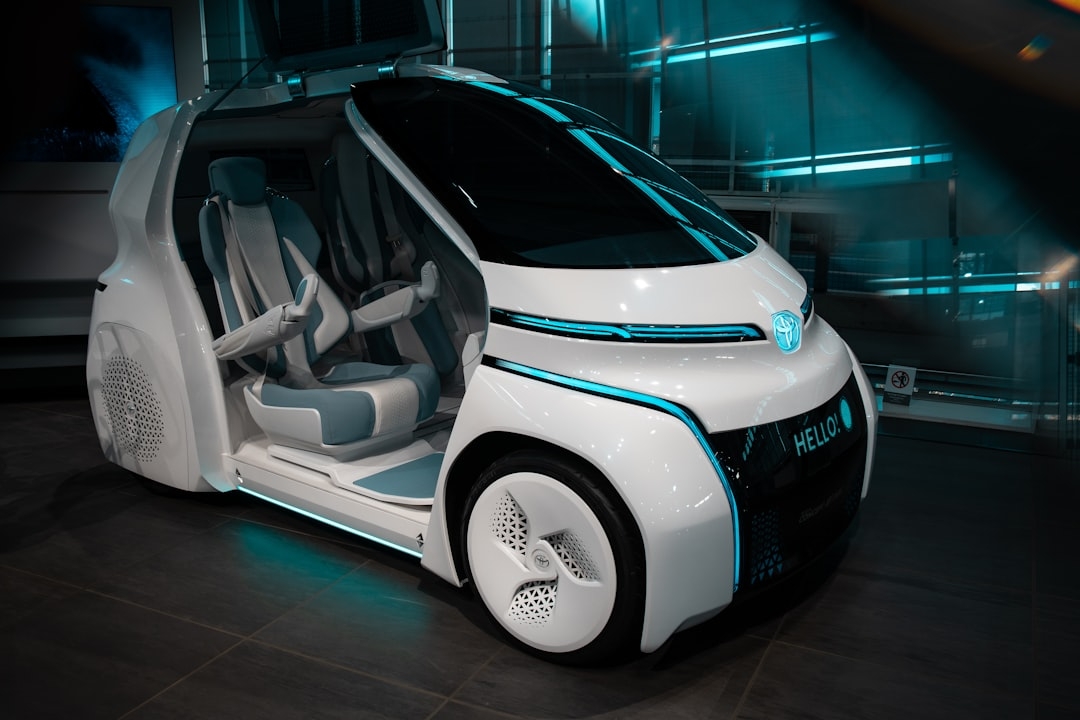
In the rapidly evolving world of autonomous vehicles, Waabi's recent $1 billion funding round marks a significant leap forward. The company has secured $750 million in a Series C round to advance its self-driving trucking technology, while an additional $250 million commitment from Uber aims to deploy 25,000 robotaxis exclusively on Uber's platform. This dual approach highlights the different challenges and opportunities faced by autonomous trucking and passenger robotaxis.
Understanding Waabi's strategy provides insight into the complexities of commercializing autonomous vehicles. While the technology promises efficiency and safety, operational realities and market constraints require a pragmatic evaluation of its immediate impact and long-term viability.
How Does Waabi’s Funding Impact Autonomous Trucking?
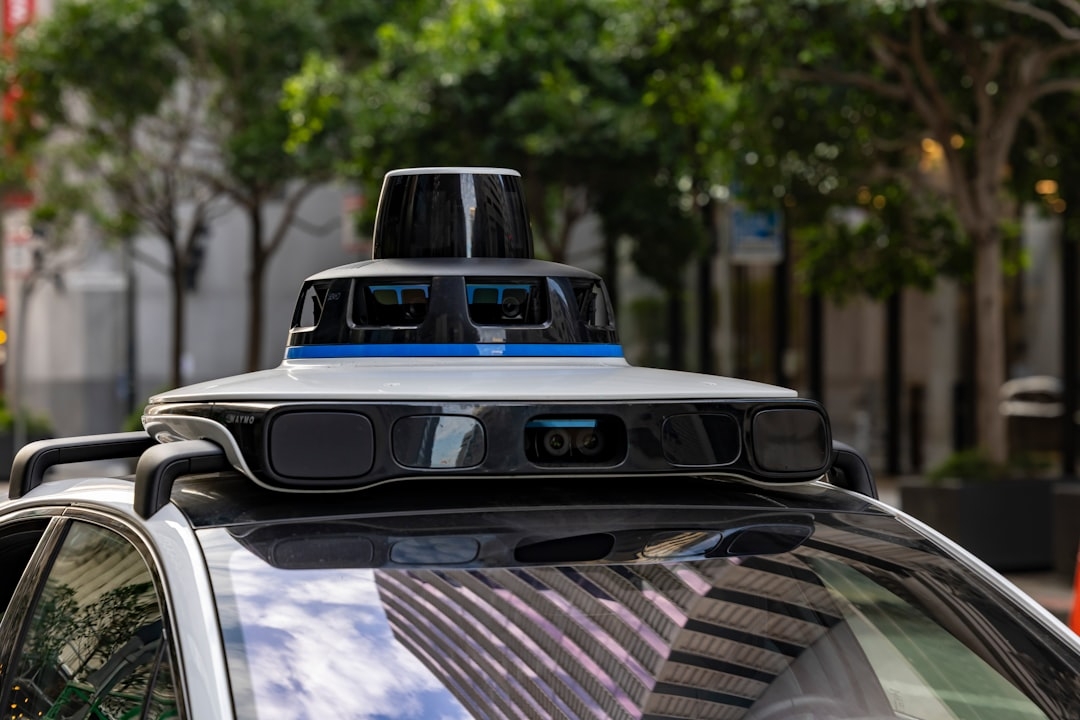
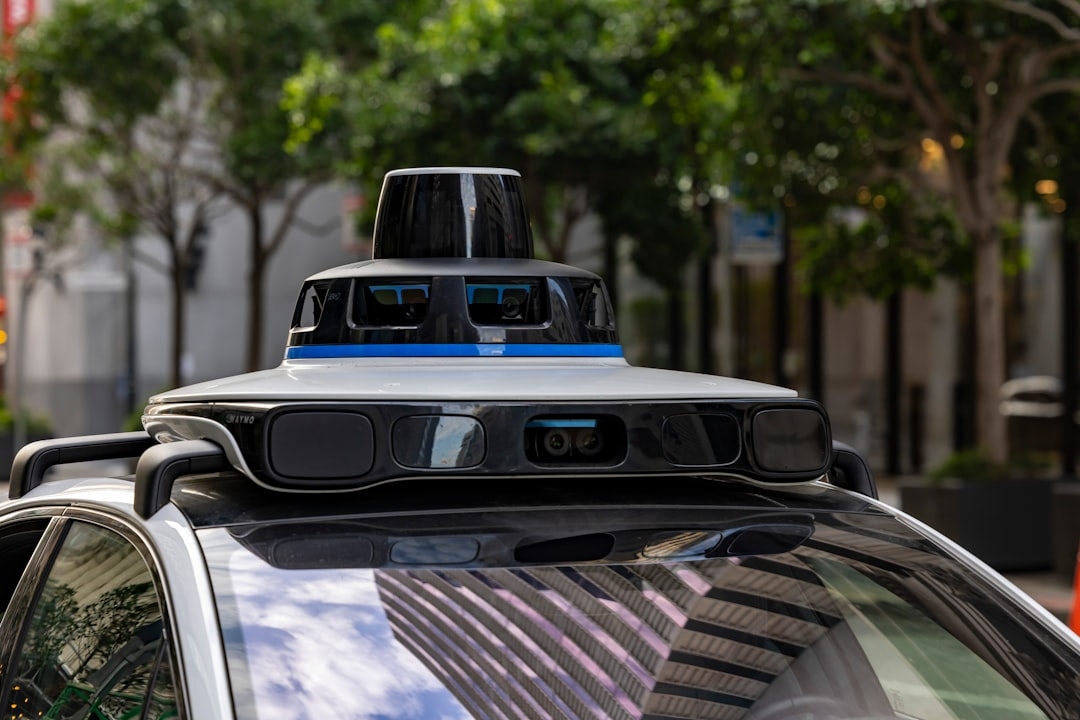
The $750 million Series C funding focuses primarily on accelerating Waabi’s autonomous trucking operations. Autonomous trucking involves large trucks equipped with sensors, cameras, and advanced AI software designed to safely navigate highways and complex logistics routes without human intervention. This technology aims to reduce operational costs, improve safety, and address the growing shortage of truck drivers.
Technical challenges in autonomous trucking include handling diverse road conditions, integration with logistics networks, and regulatory approvals. Waabi’s infusion of capital suggests a commitment to expanding real-world testing, improving AI perception systems, and refining long-haul driving capabilities. However, trucking autonomy faces fewer complexities in urban settings compared to robotaxis, as highways offer more predictable driving environments.
What Are the Trade-Offs of Waabi’s Robotaxi Deployment with Uber?
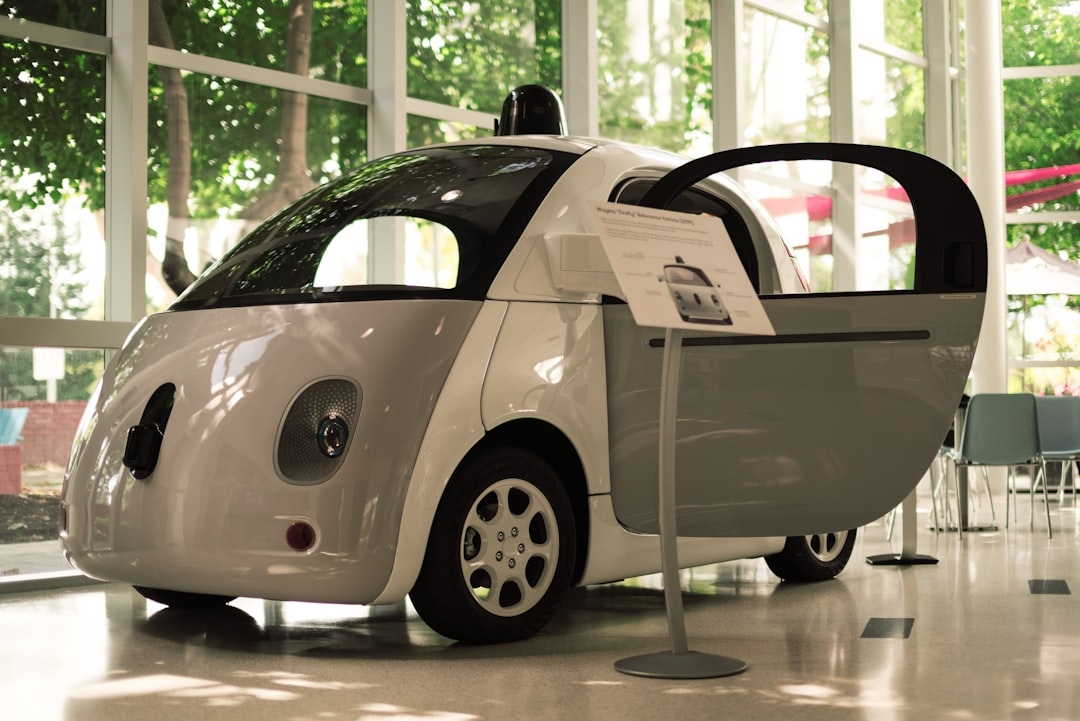
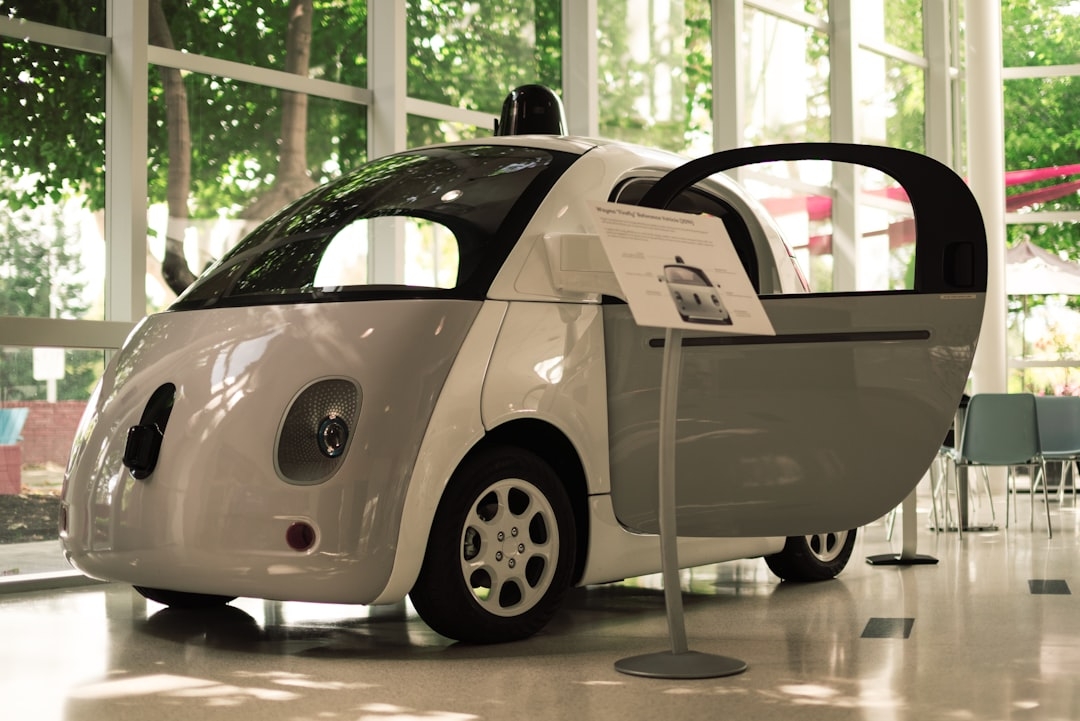
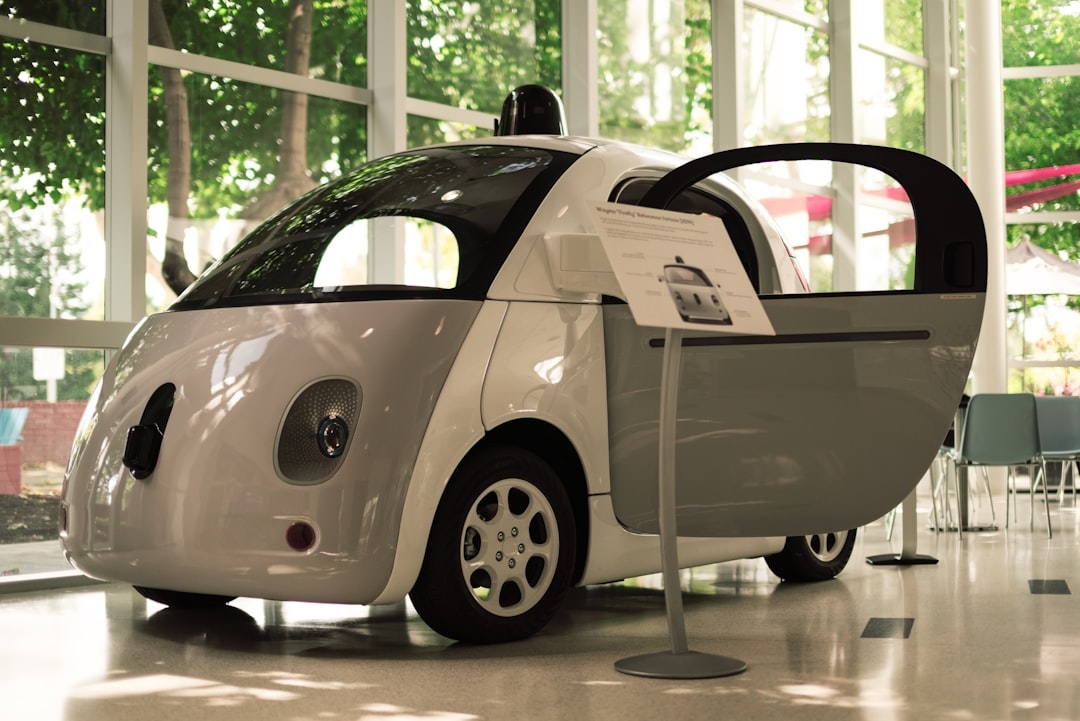
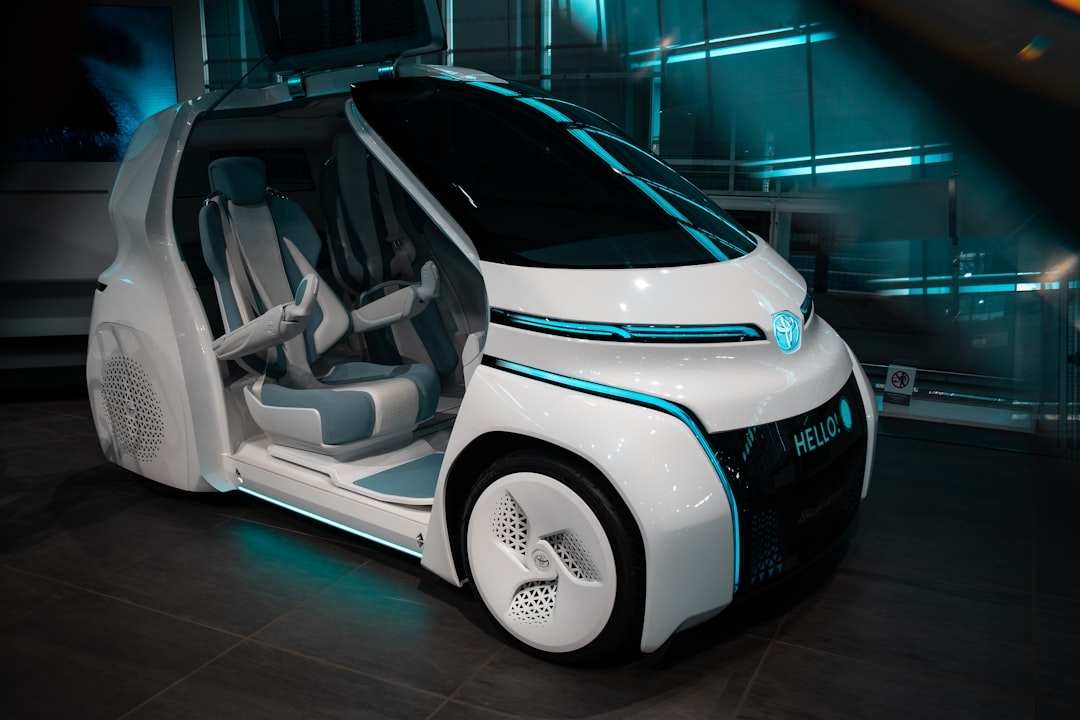
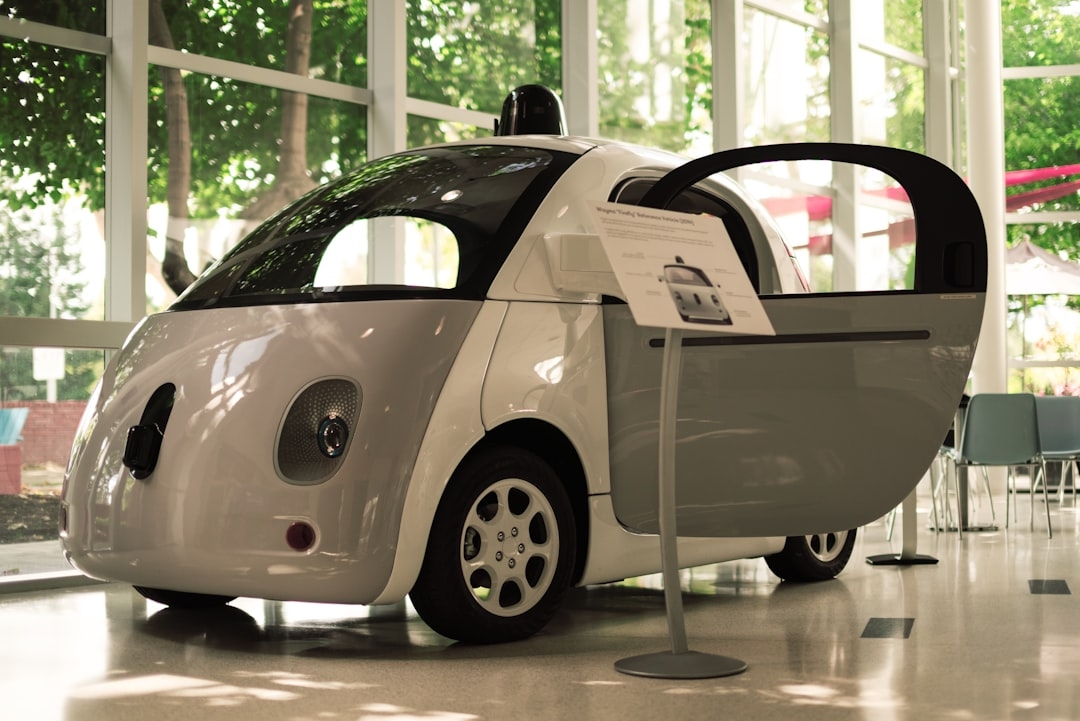
Simultaneously, Waabi has received about $250 million from Uber to deploy 25,000 robotaxis solely through Uber’s ride-hailing platform. Robotaxis are autonomous passenger vehicles intended to replace or augment human-driven rideshare cars, demanding exceptional reliability in complex urban environments laden with unpredictable pedestrians, cyclists, and traffic patterns.
Compared to trucking, robotaxis must master immediate decision-making in congested city streets—a far greater technical hurdle. The partnership with Uber gives Waabi direct access to a vast customer base but also requires flawless user experience and safety assurance. These strict demands often slow deployment schedules and escalate costs.
This commitment also raises questions around scalability, regulatory concerns, and competitive positioning. Uber's exclusive use of Waabi’s robotaxis could provide a competitive edge but limits flexibility in partnering with other platforms or cities.
Quick Reference: Key Takeaways
- Waabi raised a total of $1 billion, split into $750 million for autonomous trucking and $250 million from Uber for robotaxi deployment.
- Autonomous trucking benefits from more predictable environments but still faces hurdles such as logistics integration and regulation.
- Robotaxis require advanced AI handling in complex urban environments, presenting significant technological and operational challenges.
- Uber’s exclusive deployment deal offers immediate scale but introduces trade-offs in platform exclusivity and urban readiness.
Why Does This Matter for the Autonomous Vehicle Industry?
The split funding shows that the autonomous vehicle industry is multifaceted, with different segments at varying maturity levels. Trucking autonomy appears closer to scalable commercial deployment, while robotaxi services still navigate the barriers of urban complexity, public acceptance, and regulatory compliance.
For investors and industry watchers, this illustrates why a one-size-fits-all approach doesn’t work. The path to profitability and widespread adoption depends heavily on these segment-specific factors. Waabi’s strategy to simultaneously push trucking automation and robotaxi deployment reflects a pragmatic balancing act between near-term returns and long-term innovation.
How Should Companies Approach Autonomous Vehicle Integration?
Waabi’s funding and partnership model suggest that building strategic alliances like the one with Uber is crucial for technology providers. Collaborations provide access to operational data, customer networks, and deployment opportunities essential for iterative improvement.
However, companies must carefully weigh exclusivity agreements against broader market access and flexibility. Focusing solely on robotaxis or trucking could also limit technological synergies, but balancing both requires significant resource allocation and operational discipline.
In evaluating autonomous solutions, stakeholders should consider:
- The environment in which the autonomous vehicle will operate (highway vs. urban).
- Partnerships that offer deployment scale vs. those that restrict market expansion.
- Technology maturity relative to safety and reliability standards.
- Regulatory landscape and public acceptance.
What Real-World Results Can We Expect from Waabi’s Initiatives?
While it is too early to predict Waabi’s exact market impact, their ambitious funding underscores strong confidence in autonomous tech growth potential. Autonomous trucking deployments may improve freight efficiency within a few years, especially for repetitive long-haul routes.
Robotaxi rollout via Uber will likely be more gradual, dependent on ongoing improvements in AI perception and navigation within congested city streets. Success depends on maintaining high safety records and a seamless passenger experience.
Given past challenges seen in autonomous vehicle trials, stakeholders should remain cautious regarding timelines, focusing on incremental improvements and real-world learning.
Checklist: How to Evaluate Autonomous Vehicle Opportunities
- Identify the operating environment and complexity of driving conditions.
- Analyze partnership terms for deployment flexibility and scale potential.
- Assess technology readiness against regulatory and safety requirements.
- Consider user experience factors, especially for passenger-focused robotaxis.
- Balance investment between near-term commercial viability (trucking) and long-term innovation (robotaxis).
Ultimately, Waabi’s recent capital injections and collaborations signal a pivotal moment in autonomous vehicle development. Adopting a cautious yet strategic approach will be crucial to navigating the trade-offs inherent in this fast-changing field.
Technical Terms
Glossary terms mentioned in this article

Comments
Be the first to comment
Be the first to comment
Your opinions are valuable to us