
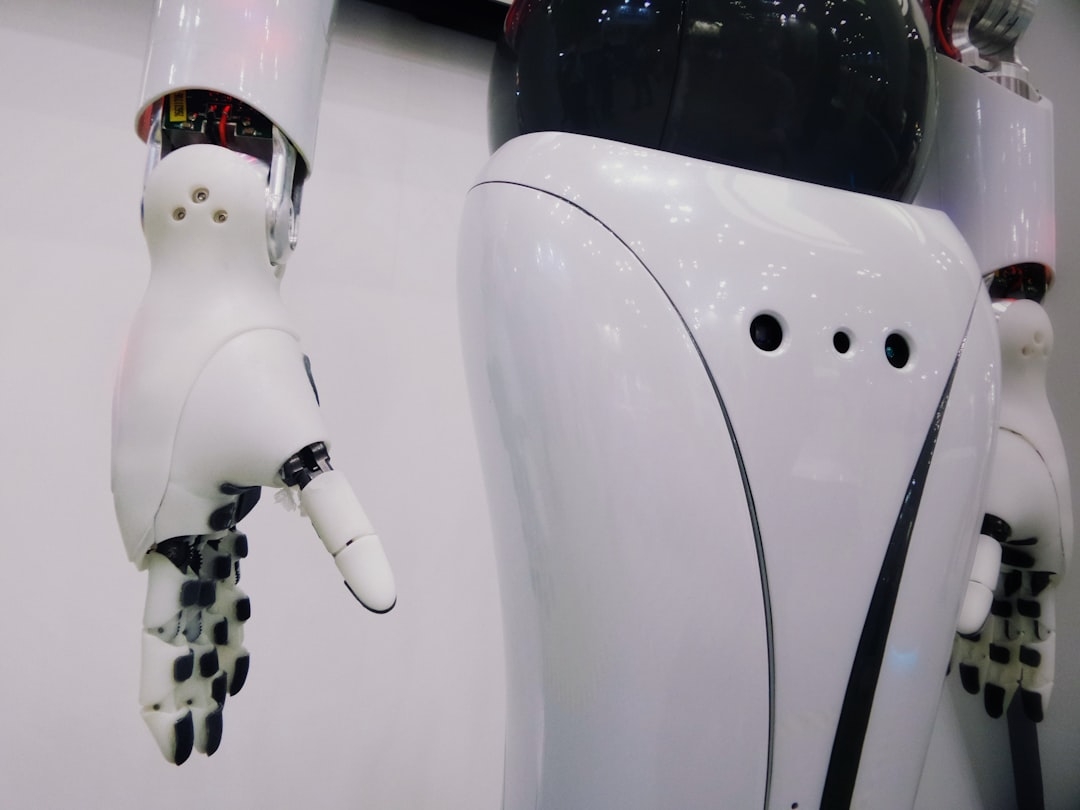
The Journey Towards AI-Powered Robotaxis
In the rapidly evolving world of autonomous vehicles, Motional has positioned itself at the forefront by placing artificial intelligence (AI) at the core of its driverless robotaxi service. Scheduled for launch in Las Vegas before the end of 2026, this service represents a key milestone in urban mobility. Far from being just a technological demonstration, Motional’s approach challenges traditional human-driven ride-hailing with a focus on safety, scalability, and user convenience.
This article explores Motional's journey, the challenges faced by autonomous rideshares, and why this AI-first strategy could reshape the way we think about getting from point A to point B.
How Does Motional’s AI-Centric Robotaxi Service Work?
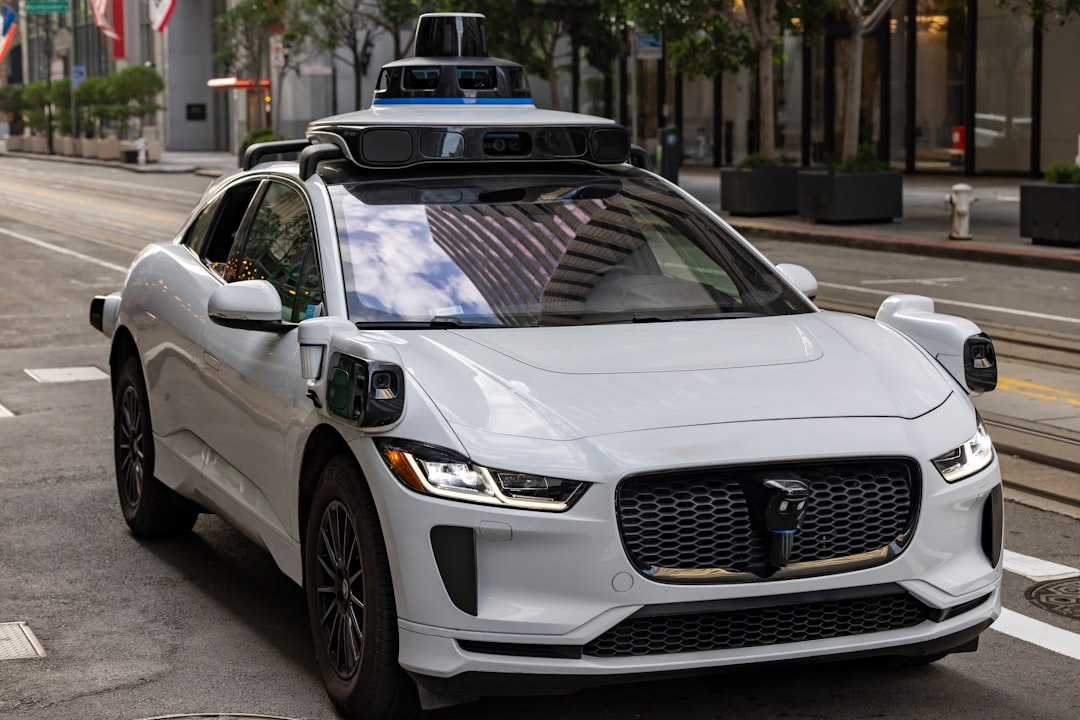
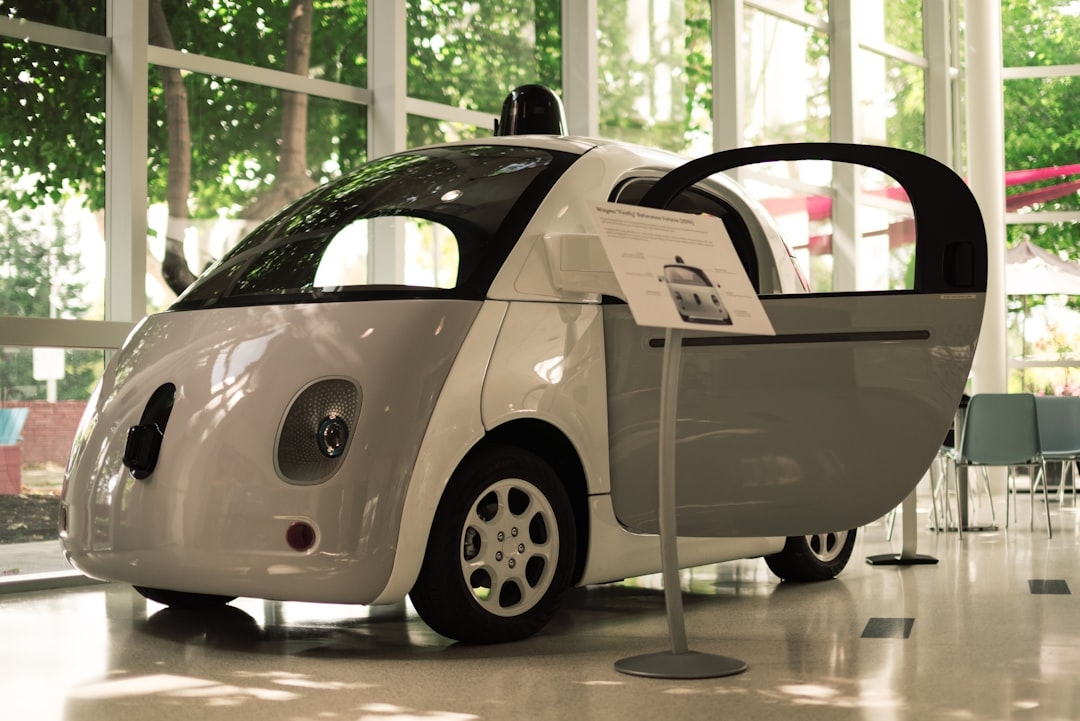
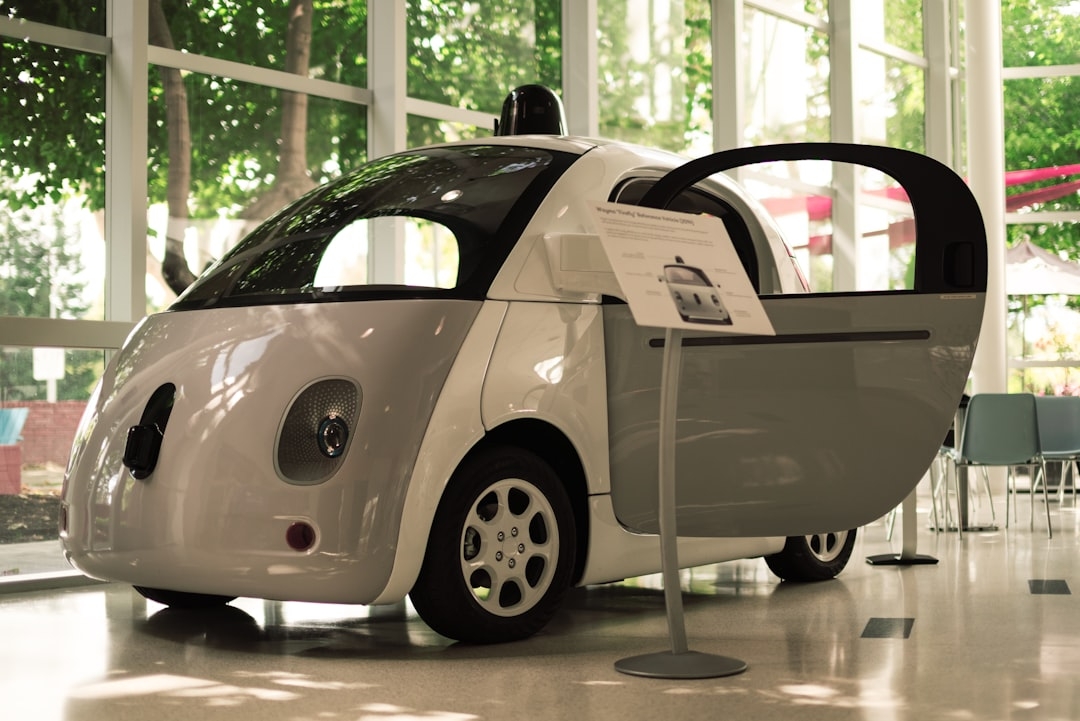
At its core, Motional’s robotaxi service relies heavily on advanced AI systems. These systems combine real-time perception, decision-making, and navigation algorithms to operate without human drivers. The AI integrates data from multiple sensors including LiDAR (Light Detection and Ranging), cameras, and radar to perceive environment nuances—like pedestrians, road conditions, and traffic signs—in real time.
By putting AI at the center, Motional’s robots continuously learn to adapt to complex urban environments, improving safety and reliability over time. This AI-led approach is crucial because it goes beyond pre-programmed paths, enabling dynamic responses to unpredictable scenarios encountered on Las Vegas streets.
What Are the Technical Challenges of Driverless Robotaxis?
Launching a fully driverless service is not without its hurdles. Key technical challenges include:
- Perception in diverse environments: Ensuring the AI accurately identifies objects and hazards in all lighting and weather conditions.
- Decision-making under uncertainty: Balancing safety and efficiency while maneuvering in mixed traffic.
- System reliability and redundancy: Guaranteeing the vehicle operates flawlessly even when some sensors or components fail.
Motional’s solution tackles these challenges through redundant hardware setups and AI models trained on vast datasets from real-world driving conditions.
When Will Motional’s Driverless Robotaxi Service Be Ready?
The company has announced an ambitious timeline: launching the driverless robotaxi service in Las Vegas by the end of 2026. This timeline reflects years of rigorous testing and iterative improvements.
Why Las Vegas? The city provides a controlled yet dynamic urban setting, ideal for refining robotaxi operations. Regulatory cooperation and favorable city infrastructure also play pivotal roles, enabling a smoother pathway to public deployment.
What Strategies Worked Best in the Development Process?
Motional’s AI-centric design contrasts earlier autonomous vehicle attempts that overly relied on fixed maps or conservative rules. Instead, Motional employs machine learning models that improve through experience, mimicking how human drivers learn routes and react to new hazards.
The company also prioritized scalable fleet management, ensuring their software can handle multiple vehicles working in concert—a crucial feature for bustling city environments.
What Failed and Why in Previous Robotaxi Approaches?
Earlier robotaxi projects often stumbled due to excessive reliance on rigid software stacks or incomplete sensor suites, limiting adaptability. Many underestimated the complexity of real-world conditions where unpredictability is the norm.
Attempts without robust AI learning capabilities also failed to accommodate rare or unusual events, leading to unsafe conditions or stalled deployments.
Quick Reference: Key Takeaways
- AI-first approach: Enables adaptability and continuous safety improvements.
- Sensor fusion: Combines LiDAR, radar, and cameras for reliable perception.
- Redundancy: Multiple systems ensure operation even if components fail.
- Las Vegas launch: Ideal testing ground with supportive infrastructure and regulations.
- Challenging timeline: 2026 is aggressive but achievable through iterative testing.
How Should You Evaluate Autonomous Robotaxi Options?
If considering deployment or investment in robotaxi technology, focus on AI capabilities rather than hardware alone. The ability to learn from real-world data and adapt dynamically is what separates viable services from stalled projects.
Also, examine regulatory support and infrastructure readiness, as these can make or break launch success. Technologies that work well in one city may face serious hurdles in others with different traffic patterns or laws.
What Are the Key Trade-Offs Between AI and Traditional Approaches?
Traditional fixed-path or rule-based autonomous driving tools tend to be simpler but less flexible. AI systems require more upfront training and validation, potentially increasing development time and costs. However, their ability to generalize and improve over time offers better long-term scalability.
Choosing between these approaches depends on your tolerance for risk, operational scale, and expected service complexity.
Final Steps: Your Decision Matrix for Robotaxi Deployment
When deciding your robotaxi approach, use this checklist within 15-25 minutes:
- Assess the AI’s learning and adaptation technologies: Does it leverage real-time sensor fusion and machine learning?
- Verify the robustness of sensing equipment: Are there redundant systems to cover failures?
- Evaluate the testing environment: Has the service been validated in cities with complex traffic like Las Vegas?
- Check regulatory engagement: Is there support from local authorities?
- Consider operational scalability: Can the system manage fleet coordination effectively?
Your answers will clarify whether an AI-centric service like Motional’s fits your needs or if a more conservative approach is warranted.
Motional’s commitment to launching a fully driverless, AI-powered robotaxi service by 2026 highlights the transformative potential of autonomous mobility. While challenges remain, their strategy offers a promising template for the next generation of urban transportation.
Technical Terms
Glossary terms mentioned in this article




Comments
Be the first to comment
Be the first to comment
Your opinions are valuable to us