
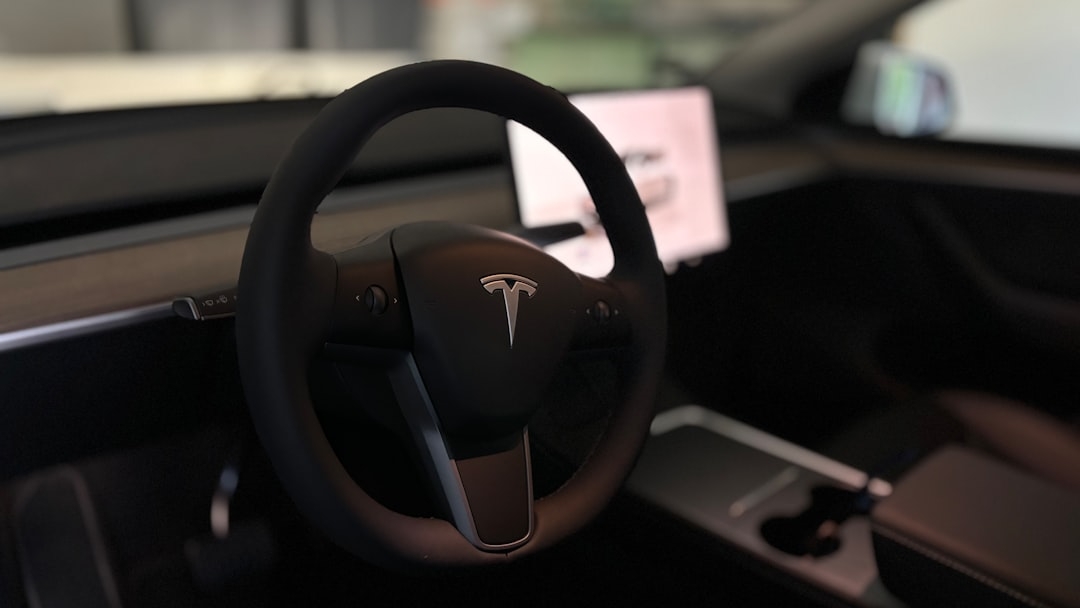
What happens when a major technology company like Tesla fails to overturn a huge court verdict against it? Recently, Tesla lost its bid to overturn a $243 million verdict related to its Autopilot software. This ruling has raised critical questions about the challenges and limitations of autonomous driving technology, as well as legal accountability when things go wrong.
Understanding why Tesla’s appeal was denied requires a closer look at the legal arguments involved and the technical aspects of Autopilot. It also sheds light on what this means for Tesla, its users, and the broader future of autonomous driving.
Why Did Tesla’s Appeal Fail?
Tesla sought to overturn the $243 million verdict by arguing that there were legal errors or new evidence that would justify a relief from the court’s decision. However, the court found that the grounds for relief Tesla relied upon were essentially the same as those already presented during the trial. This meant Tesla did not provide substantial new reasons that would convince the court to change its previous ruling.
In court procedure, once arguments have been thoroughly examined and dismissed in trial, simply repeating them in an appeal without fresh evidence or legal error rarely succeeds. The court’s firm stance indicates confidence in the original trial’s fairness and thoroughness.
How Does Court Appeals Work in Such Cases?
An appeal focuses on whether the original trial made significant legal mistakes or mishandled evidence. It is not a retrial where facts are reconsidered without limit. For Tesla, their appeal rested on rehashing points already examined, which is a common but ultimately unsuccessful strategy.
Think of it like asking a referee to review a call in a game, but only pointing to the same replay footage that’s already been analyzed — no new angle or proof presented means the call stands.
What Does This Verdict Mean for Tesla's Autopilot?
The $243 million judgment relates to a case where Tesla’s Autopilot system was implicated in a serious accident. This highlights the real-world risks and legal implications automakers face as they develop and deploy semi-autonomous driving technologies.
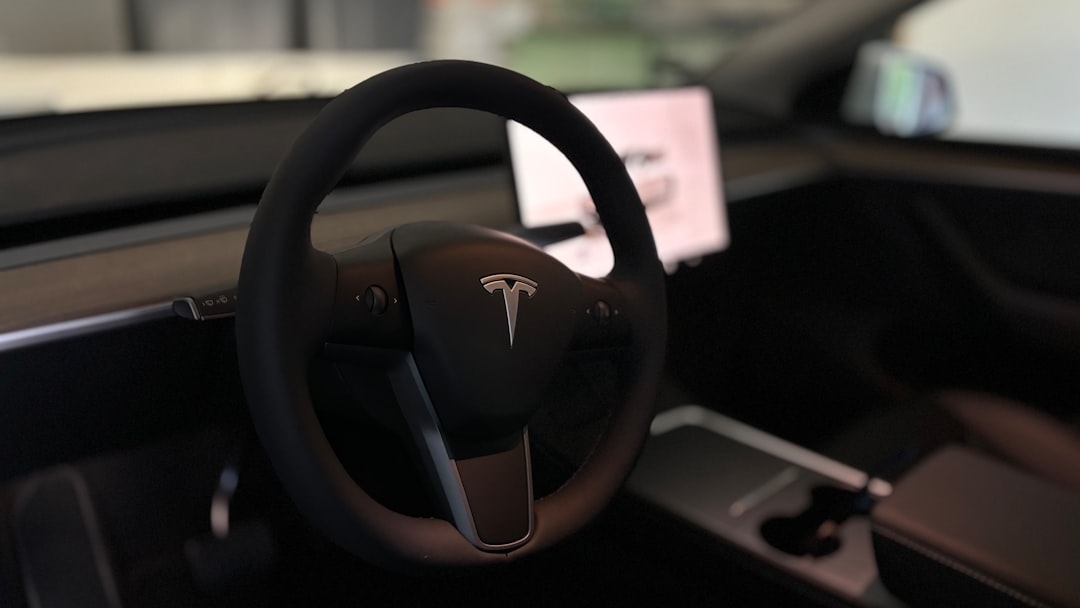
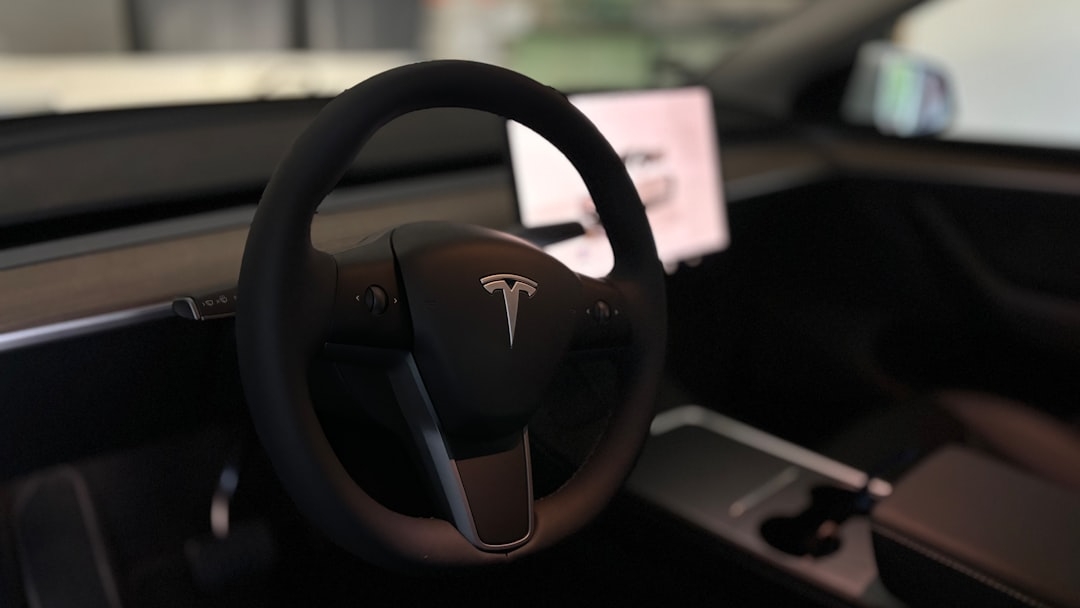
Autopilot combines sensors, cameras, and software algorithms to assist driving tasks. While it can enhance safety and convenience, it is not yet a fully autonomous system. Drivers still must remain alert and ready to take control. Legal rulings like this underscore how courts are holding companies accountable when technology falls short of promised safety or reasonable expectations.
How Does Autopilot Technology Work?
Autopilot uses a combination of radar, cameras, ultrasonic sensors, and advanced software to help steer, brake, and accelerate in certain conditions. It falls under the category of Level 2 autonomous driving, meaning it requires continuous driver supervision. This contrasts with full autonomy, which would not need human intervention.
Because of this, responsibility in accidents involving Autopilot can be complex to assign, often combining driver behavior and system performance factors.
What Should Tesla and Other Companies Learn?
Tech companies must recognize that current autonomous driving systems are not infallible and that legal accountability will follow any failure causing harm. Lawsuits and verdicts like this signal that incremental improvements in safety hardware and software need to be matched with transparent communication about system limitations.
Moreover, relying on legal appeals with recycled arguments without new evidence or considerations rarely overturns verdicts in such high-profile cases.
When Should Companies Consider Legal Appeals?
Appeals should be reserved for situations where clear legal errors occurred or notable new facts come to light after the trial. Without these, courts tend to uphold initial rulings, emphasizing the importance of strong legal strategies upfront.
Key Takeaways for Drivers and Industry Observers
- Autopilot is an advanced driver assistance, not full self-driving.
- Legal systems can impose large penalties for autonomous driving failures.
- Appealing court verdicts requires fresh grounds, not repeated points.
- Transparency around technology limits is essential to user safety and trust.
This case serves as a warning and learning opportunity for all stakeholders involved in autonomous vehicle technology.
How Can You Evaluate Autonomous Driving Safety?
If you are a driver or an industry professional assessing the feasibility or safety of autonomous systems, consider these practical questions:
- Is the system clearly defined in its capabilities and limitations?
- Does the technology require and encourage constant driver attention?
- Have there been any legal incidents or recalls related to the system?
- How transparent is the company about system risks and updates?
By answering these in 10-20 minutes per system or use case, you can form a practical risk assessment tailored to your context.
The Tesla appeal loss is a real-world reminder that technology still needs scrutiny and improvement before it can be fully trusted to operate without human oversight.
Technical Terms
Glossary terms mentioned in this article



Comments
Be the first to comment
Be the first to comment
Your opinions are valuable to us