
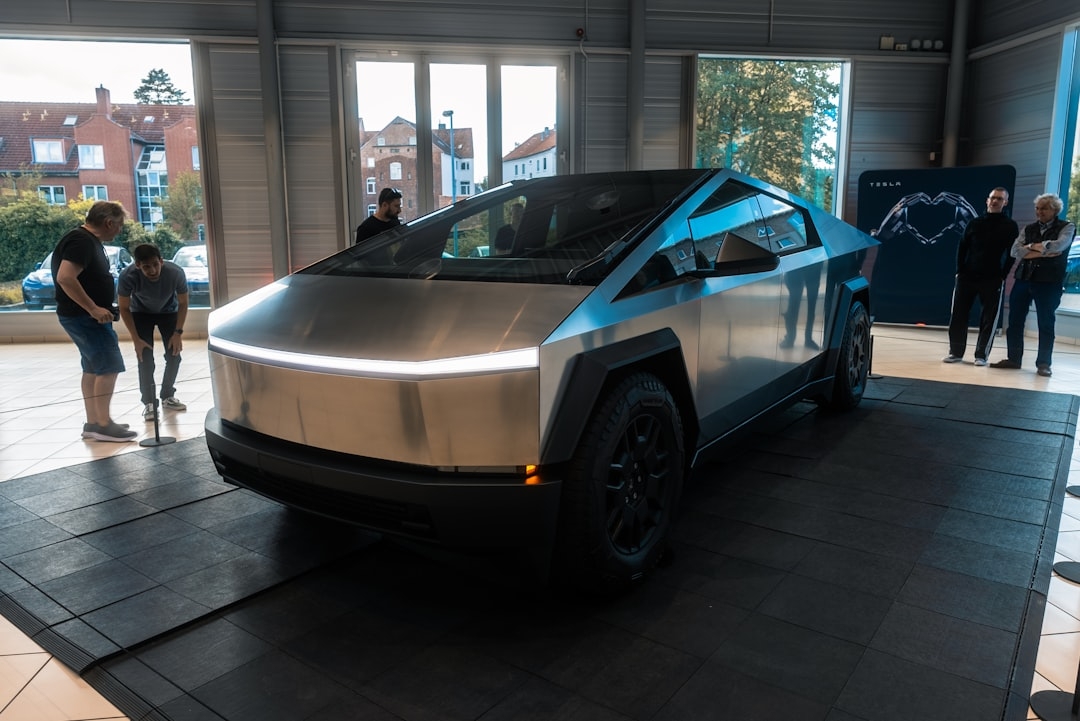
The Hype vs Reality of a $16 Billion Robotaxi Market
The idea of a robotaxi business revolutionizing urban transportation has attracted massive investments, with some companies reportedly securing more than $16 billion to build autonomous ride-hailing fleets. But is this funding truly enough to create a profitable enterprise? Autonomous vehicles (AVs) promise self-driving cars that ferry passengers without human drivers, instantly reducing labor costs and potentially reshaping mobility. However, turning this vision into a sustainable business involves far more than just technology — it’s about infrastructure, regulatory readiness, operational logistics, and customer adoption.
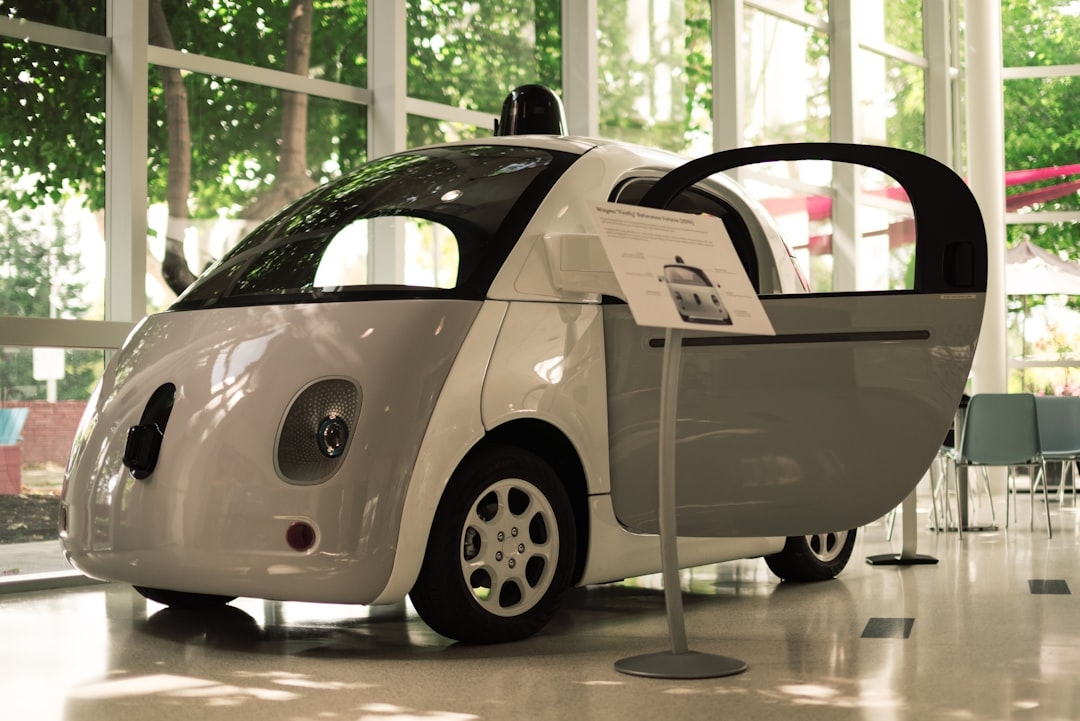
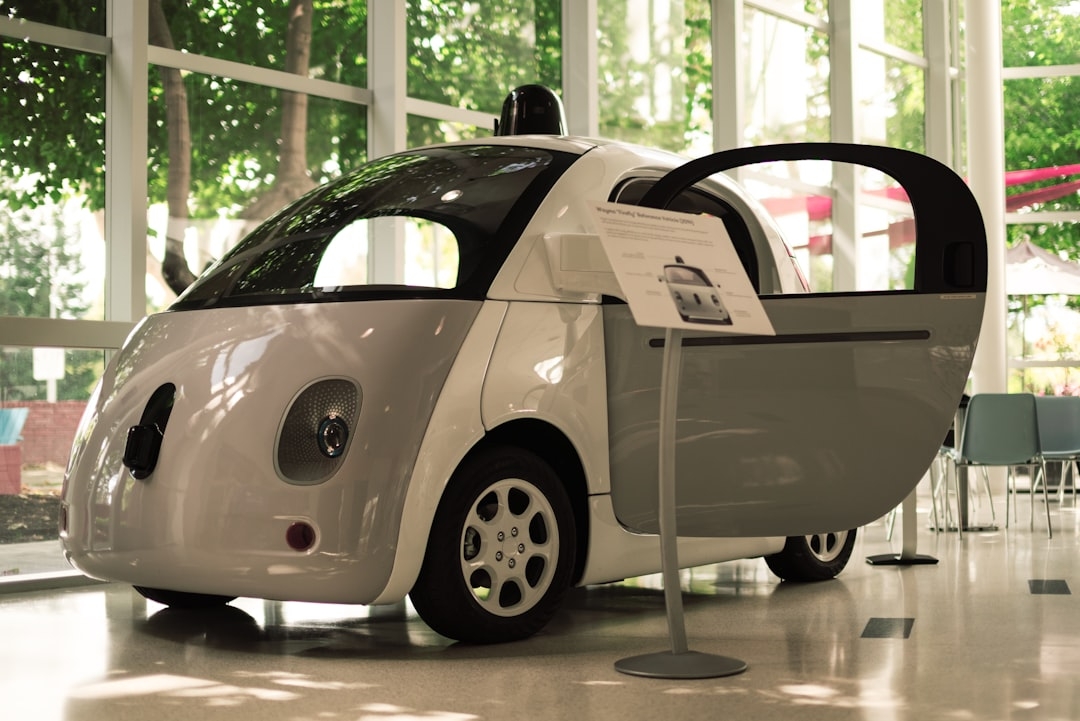
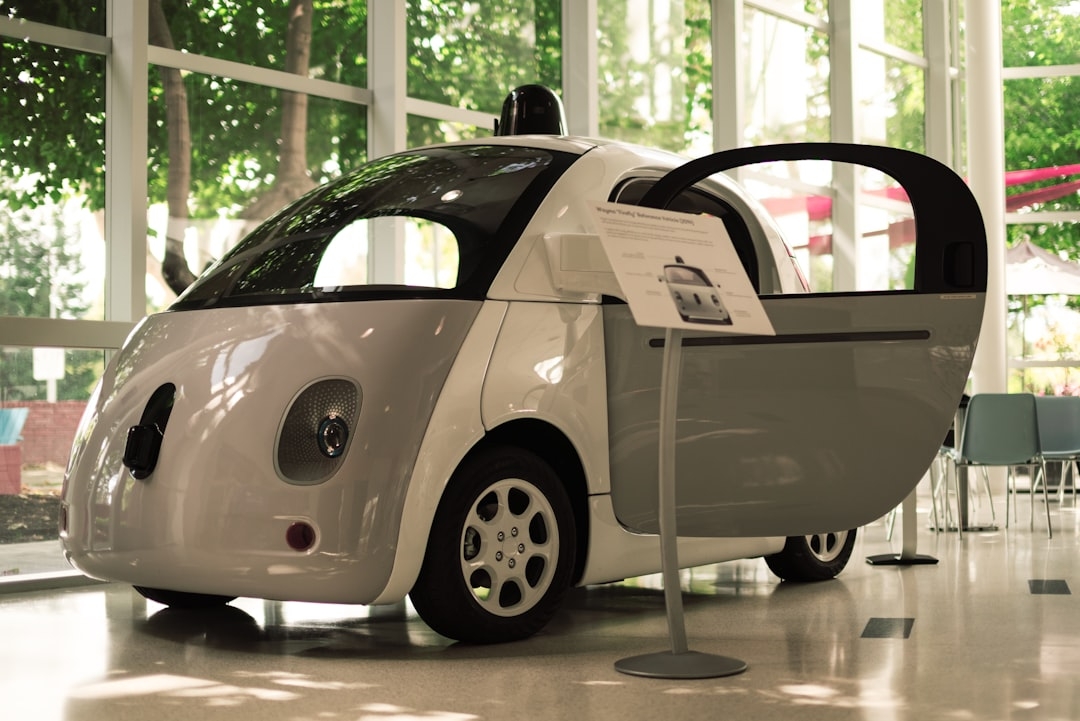
The term robotaxi refers to ride-hailing services operated by self-driving vehicles with no human intervention. These vehicles use a combination of sensors, cameras, and AI algorithms to navigate urban environments safely. Yet, the journey from advanced prototypes to profitable fleets still faces steep challenges despite the impressive funding.
How does the $16 Billion Investment Break Down?
The $16 billion figure encompasses spending on vehicle development, sensor technology, software platforms, testing, regulatory compliance, and initial deployment in select cities. This capital is meant to cover:
- Manufacturing and equipping vehicles with expensive sensors such as LiDAR and cameras.
- Developing AI systems capable of real-time decision-making in complex urban traffic scenarios.
- Establishing data centers and cloud infrastructure to manage fleet operations and updates.
- Legal costs and lobbying efforts to navigate a fragmented regulatory landscape.
- Marketing and customer acquisition to build demand and trust.
Despite these extensive expenses, studies suggest that simply deploying AVs isn’t enough. The vehicles must also achieve high utilization rates — ideally driving many hours per day — to amortize their costs effectively.
Where Does a Robotaxi Business Shine?
Robotaxis are especially promising in densely populated urban centers where ride-hailing demand is high, and the potential to replace traditional taxis or rideshare vehicles can create economies of scale. Eliminating drivers cuts one of the largest operational expenses, and the use of sophisticated AI can enable safer and more consistent driving than human drivers in some respects.
In addition, robotaxis can reduce emissions when combined with electric powertrains and encourage a shift away from private car ownership, addressing urban congestion and pollution.
What Are the Main Challenges Holding Back Profitability?
Several obstacles impede robotaxi profits, including:
- High upfront costs: Autonomous vehicles cost significantly more than traditional vehicles due to the specialized sensors and computing hardware required.
- Limited geographic operation: Current AVs mostly operate in constrained areas with well-mapped roads and favorable weather conditions, limiting expansion.
- Regulatory uncertainty: Laws surrounding autonomous driving are inconsistent across regions, causing unpredictability and potential delays.
- Low utilization compared to expectations: Robotaxis can face downtime due to charging, cleaning, or repositioning, reducing the ideal utilization rates.
- Safety and liability concerns: Any accidents involving AVs can lead to expensive lawsuits and reputational damage.
Many pilot programs have also revealed that complex urban environments introduce unexpected edge cases, which require extensive human oversight or fallback systems, driving up operating costs.
Alternatives to Consider Beyond the Traditional Robotaxi Model
Given these challenges, some companies and cities are exploring different business models and use cases such as:
- Autonomous shuttles: Smaller, slower vehicles operating on fixed routes, reducing complexity and operational risk.
- Driver-assist systems: Partial automation to assist human drivers, improving safety without full autonomy.
- Freight and logistics: Autonomous delivery vehicles operating in controlled environments.
These alternatives may offer quicker paths to revenue while technology and regulations catch up for fully autonomous passenger vehicles.
Table: Comparing Investment Areas and Challenges in Robotaxi Business
| Investment Area | Key Challenges |
|---|---|
| Vehicle Hardware | High sensor costs, maintenance, and vehicle durability |
| Software & AI | Complex edge cases, continuous updates, reliability |
| Regulation & Compliance | Patchy laws, liability uncertainty |
| Customer Adoption | Trust, safety perceptions, price sensitivity |
| Operations | Fleet utilization, charging logistics, maintenance |
When Will Robotaxis Become Profitable?
Profitability is likely still years away for fully autonomous robotaxi services. The $16 billion investment reflects a massive commitment but does not guarantee quick returns. The technology must mature, regulatory frameworks stabilize, and scaling efficiencies achieved.
Moreover, companies must solve **operational bottlenecks** — managing fleet utilization, minimizing downtime, and scaling customer adoption — all while ensuring safety. Until these align, robotaxis largely remain an expensive, experimental venture rather than a profitable one.
What Can You Do to Understand Robotaxi Viability Better?
One practical exercise is to analyze ride-hailing demand and average trip durations in your city or region using available transportation data. Then, estimate how many autonomous vehicles would be needed to cover that demand and the capital required to deploy them while maintaining acceptable wait times and uptime. This simple test reveals the complexity and scale behind achieving profitability in robotaxis.
Technical Terms
Glossary terms mentioned in this article



Comments
Be the first to comment
Be the first to comment
Your opinions are valuable to us