
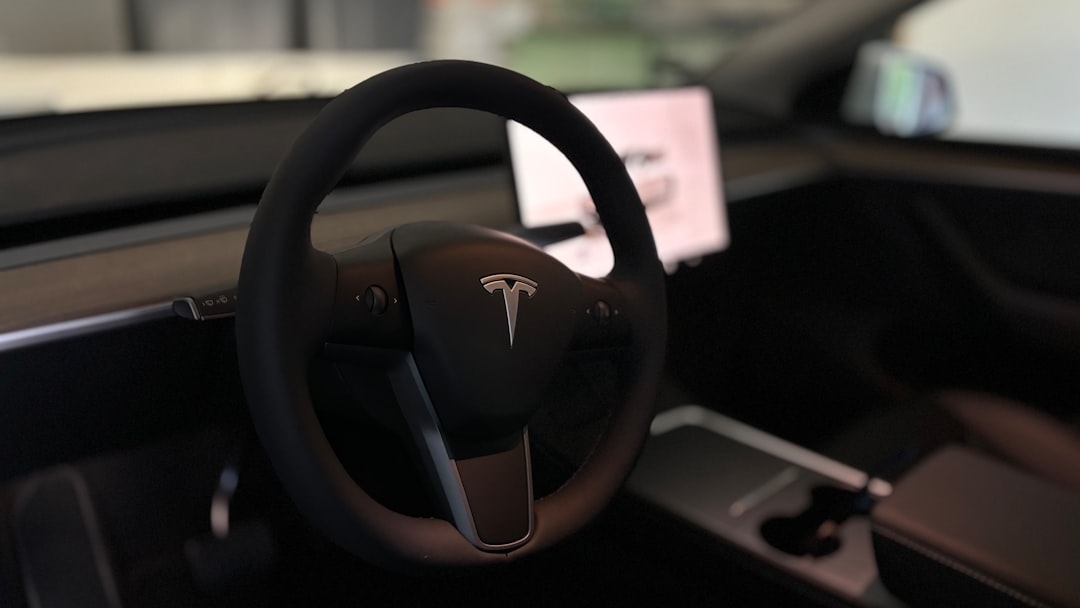
Tesla’s battle with the California Department of Motor Vehicles (DMV) isn't over. Despite ongoing back-and-forth, Tesla recently filed a lawsuit against the California DMV, intensifying the legal conflict around the company’s Autopilot system. This system, a semi-autonomous driving technology, has been under regulatory scrutiny due to safety concerns and compliance questions.
The dispute highlights a broader tension between fast-moving tech innovation and traditional regulatory frameworks designed to keep drivers safe on the road.
What triggered Tesla’s lawsuit against the California DMV?
The conflict began when the California DMV took measures to limit Tesla’s use of its Autopilot branding, claiming the system was misleading consumers about its capabilities. The DMV argued that Tesla’s marketing overstated the actual abilities of Autopilot, risking driver safety by promoting overreliance on the technology.
In response, Tesla filed a lawsuit challenging these restrictions. Tesla insists its Autopilot system meets existing safety standards and that the DMV's actions unfairly hamper technology development and consumer choice.
Why does this legal dispute matter to drivers and the auto industry?
At the heart of this fight is the question: How should emerging autonomous vehicle technology be regulated? Autopilot represents a new class of driving assistance that blends human control with machine support. Regulators fear premature deployment without proper checks could lead to accidents.
Meanwhile, Tesla argues that overly cautious regulation stifles innovation and limits public access to potentially safer driving technologies. The outcome could set an important precedent for future autonomous vehicle regulations nationwide.
Understanding Autopilot: What is it?
Autopilot is Tesla’s advanced driver-assistance system (ADAS) that offers features like adaptive cruise control, lane keeping, and traffic-aware cruise control. While impressive, it is not a fully autonomous self-driving system and requires active driver supervision at all times.
The system uses cameras, radar, and ultrasonic sensors to provide semi-automated driving capabilities, but the driver remains responsible. Regulatory bodies question whether Tesla’s marketing sufficiently clarifies this nuance.
How does Tesla’s lawsuit challenge current regulations?
The lawsuit claims the California DMV overstepped by restricting Tesla’s ability to market Autopilot. Tesla maintains that its disclosures and system warnings comply with legal standards and that consumers should decide for themselves whether to use the technology.
This legal challenge also reflects Tesla’s broader strategy to push boundaries on what government agencies allow regarding autonomous tech.
Trade-offs between innovation and safety oversight
- Innovation advocates argue that strict regulations delay the deployment of features that reduce accidents caused by human error.
- Regulators and safety advocates caution that premature adoption could cause confusion and accidents if drivers misuse or misunderstand the technology.
On-the-road performance data of Autopilot has shown mixed results. Tesla vehicles with Autopilot engaged reportedly have fewer accidents per mile compared to the national average, but some high-profile crashes with serious injuries have amplified regulatory concerns.
What can drivers expect while the lawsuit unfolds?
In the meantime, Tesla continues to update Autopilot and its Full Self-Driving (FSD) package, improving capabilities and safety features through over-the-air software updates. Customers using these features should remain vigilant and not assume full autonomy.
California drivers should pay close attention to official notices and legal developments, as regulatory rulings could impact how Autopilot can be advertised and used.
How will this legal battle shape the future of autonomous vehicles?
This lawsuit underscores the uncertain regulatory landscape surrounding semi-autonomous driving systems. As companies like Tesla push technological boundaries, regulators are under pressure to create clear, effective rules balancing innovation and public safety.
The case outcome may influence:
- How driver-assist tech is marketed to consumers
- What safety disclosures are required
- The speed at which autonomous features can be introduced and expanded
Auto manufacturers, technology developers, and consumers alike will be watching closely. The legal precedent set here could either accelerate or slow down the rollout of advanced driver-assist technologies nationwide.
What should consumers keep in mind regarding Autopilot?
First, Autopilot is a driver assistance system, not full self-driving. Drivers must remain attentive and ready to take control at any moment.
Second, marketing claims do not always reflect real-world capabilities; terms like “Autopilot” can be confusing and should not be taken as a guarantee of full automation.
Lastly, regulatory oversight is designed to ensure safety, but sometimes stricter rules can delay the availability of helpful tech. Being informed will help you make balanced decisions based on your needs and comfort level.
Decision checklist to evaluate Tesla Autopilot usage
- Understand that Autopilot requires constant driver supervision.
- Review Tesla’s user manuals and system warnings carefully.
- Pay attention to regulatory updates affecting Autopilot’s legal use.
- Assess your own driving habits and whether you feel comfortable with partial automation.
- Monitor software updates Tesla issues and reported safety performance data.
By weighing both innovation benefits and regulatory cautions, drivers can decide how best to approach Tesla’s Autopilot technology in their daily routine.
Technical Terms
Glossary terms mentioned in this article

Comments
Be the first to comment
Be the first to comment
Your opinions are valuable to us