
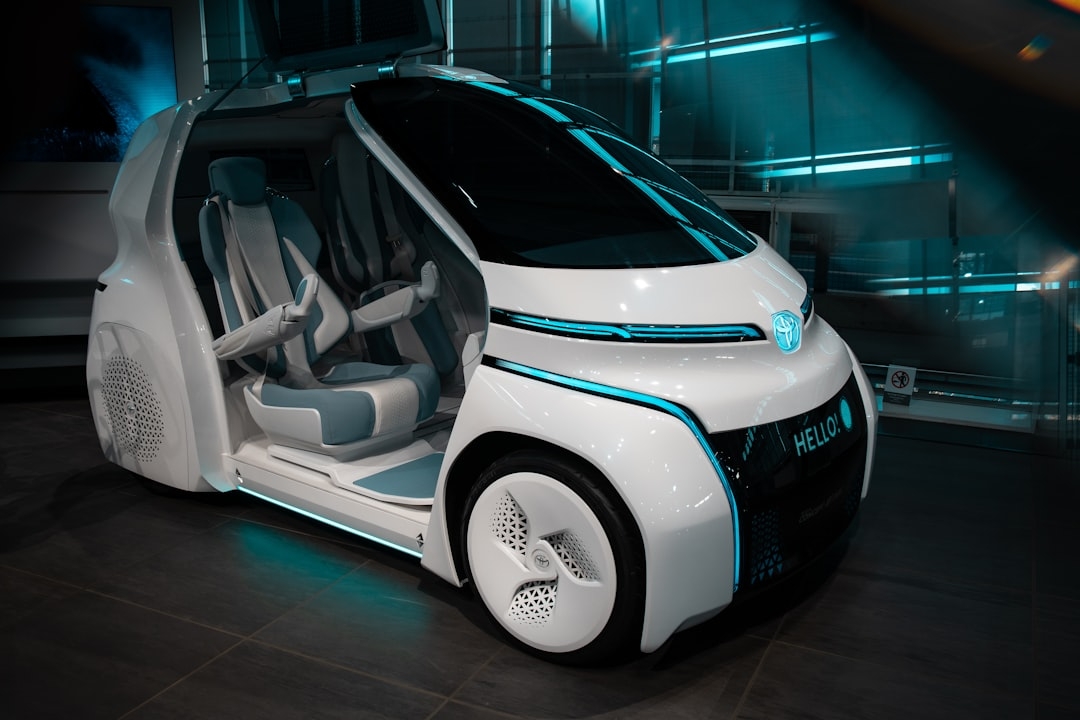
Imagine you're waiting for a robotaxi to pick you up in New York City, a place where technology often promises convenience but sometimes hits unexpected roadblocks. Recently, the governor of New York decided to stop a proposal that aimed to expand robotaxi services, a move many saw as a significant breakthrough for Waymo, one of the leaders in autonomous driving technology.
This decision has sparked questions about the future of robotaxis in one of the world's most complex urban landscapes. If you're curious about why this happened and what it means for autonomous vehicle technology, you're in the right place.
What Led New York to Halt the Robotaxi Expansion?
The New York robotaxi plan was initially welcomed as a step forward. Waymo, a leading autonomous vehicle company, had proposed expanding its driverless ride-hailing services, gaining support for its advanced safety systems and innovative technology.
However, the governor pulled back on this plan. This decision was influenced by several factors, including concerns over public safety, regulatory challenges, and the unpredictable nature of New York’s busy streets. The robotaxis had to operate under strict guidelines, which require them to navigate not only heavy traffic but also pedestrians, cyclists, and complex weather conditions.
Understanding Robotaxi Technology
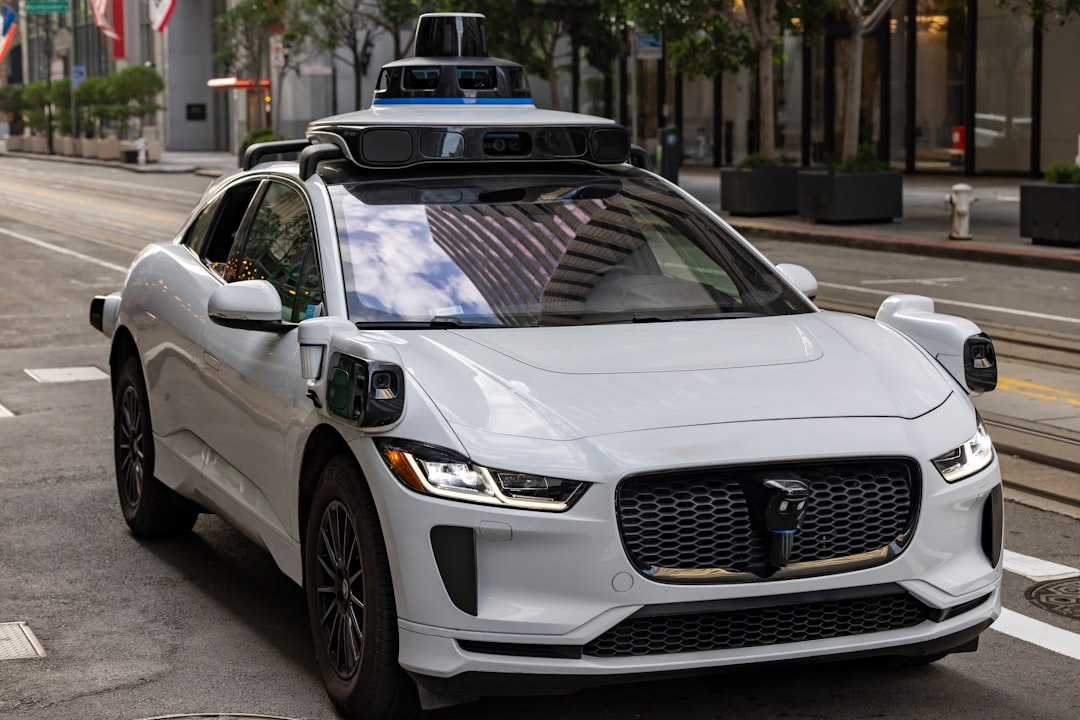
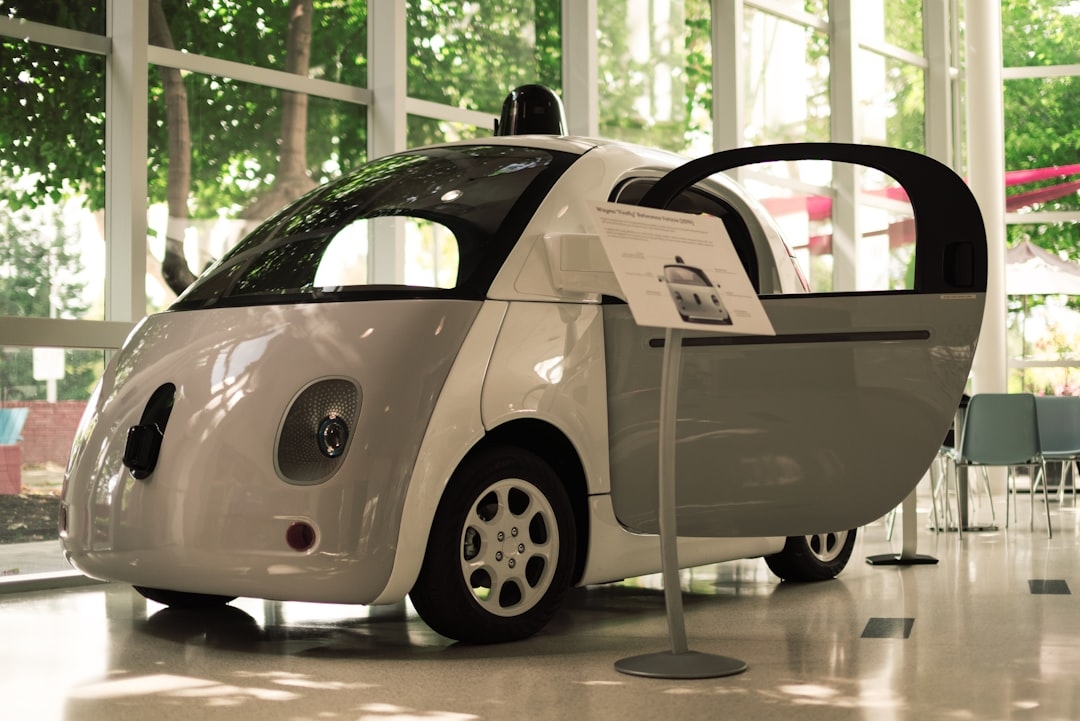
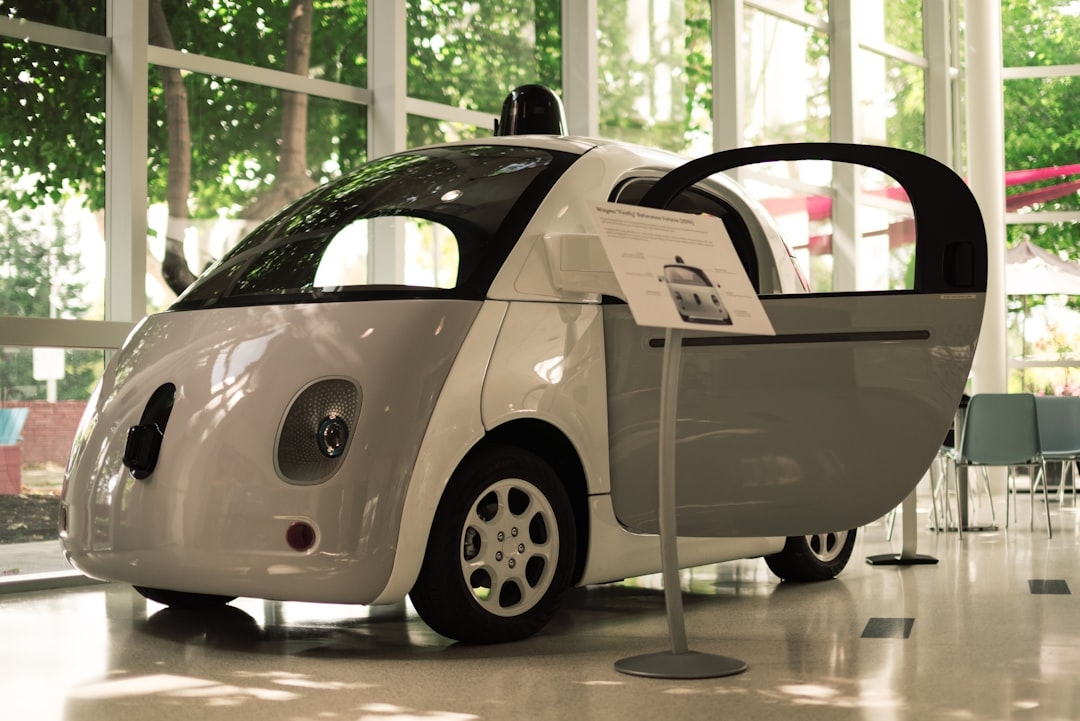
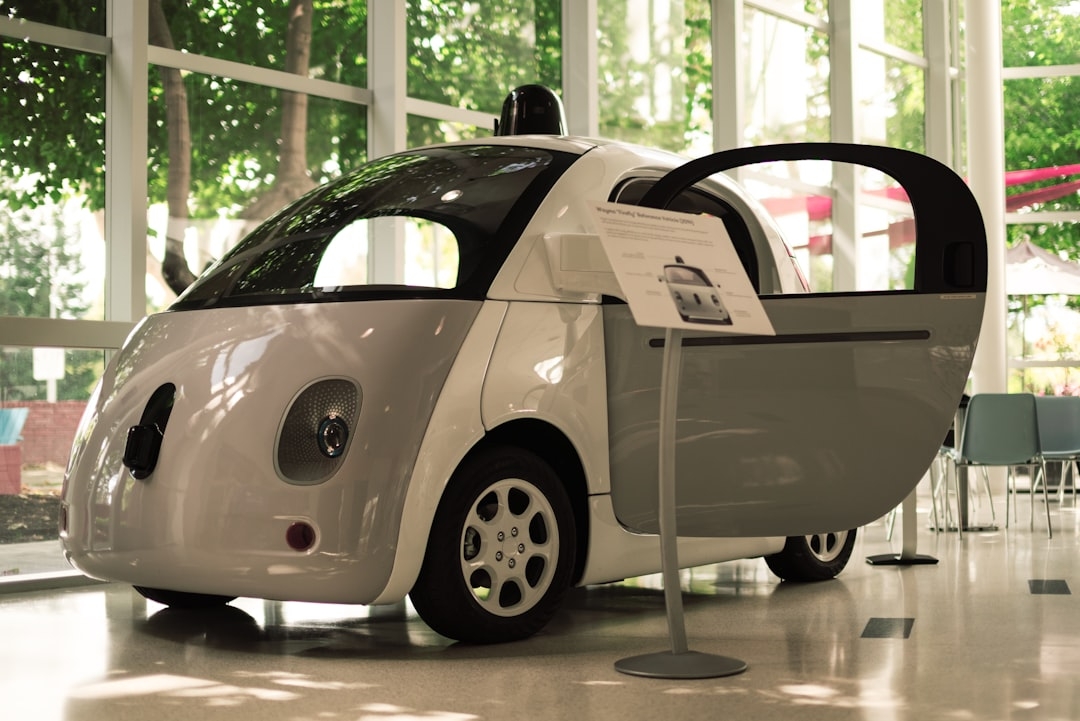
Robotaxis are autonomous vehicles designed to transport passengers without a human driver. They rely on sensors, cameras, and artificial intelligence to perceive and react to their environment. Waymo’s system, for example, uses lidar (a laser-based sensor) to create detailed 3D maps of surroundings, helping it to avoid obstacles and follow traffic laws.
Despite impressive advances, autonomous vehicles still face challenges interpreting human behavior—like jaywalking or sudden roadwork—and adjusting to unexpected scenarios, which are common on city streets.
How Does the Halt Affect Robotaxi Use in Cities?
New York’s decision raises important questions: Can robotaxis handle the chaos of real urban environments? Are regulators moving too fast or too slow? Large cities like New York are testing grounds for these technologies, but they also expose the limitations of current systems.
For example, in Phoenix, Arizona, Waymo’s robotaxis have operated with fewer restrictions due to less congested roads and more predictable traffic patterns. In contrast, New York’s urban density and unpredictable behavior patterns make it a far tougher environment.
Real-World Scenarios Showcasing the Challenges
- Scenario 1: A robotaxi navigating around a double-parked delivery truck while avoiding sudden pedestrian crossings.
- Scenario 2: Adjusting for unexpected detours caused by construction, requiring quick real-time map updates.
- Scenario 3: Handling interactions with aggressive drivers and cyclists weaving through traffic.
Each of these illustrates why regulators and companies are cautious. The technology is promising, but comprehensive testing and public trust remain crucial.
When Should Cities Consider Robotaxi Expansion?
If you're wondering, when is the right time to expand robotaxes in a city?, the answer lies in balancing innovation with safety.
Cities should look for:
- Strong regulatory frameworks ensuring accountability
- Proven safety records from pilot programs
- Technological maturity to handle local conditions
- Public engagement to address concerns and expectations
Without these factors, premature expansion risks setbacks like accidents or loss of public confidence, which slow progress overall.
What Trade-Offs Are Cities and Companies Facing?
Deploying robotaxis involves trade-offs between speed of innovation and risk management. For instance, waiting longer for more robust technology may delay potential benefits such as reduced congestion and lower emissions, but rushing can cause real safety issues.
New York’s decision reflects a cautious approach, prioritizing safety over rapid deployment. Companies like Waymo have to adapt by improving technology and engaging more closely with regulators.
What’s Next for New York and Autonomous Vehicles?
The halt isn’t the end; it signals the need for deeper collaboration between technology providers and city authorities.
New York’s environment, with its complexity and scale, offers valuable lessons. The experience suggests that widespread robotaxi adoption won’t happen overnight but requires incremental progress, thorough testing, and public dialogue.
For users interested in this space, keeping track of city-specific pilot programs and regulatory changes can provide insights into the evolving landscape of autonomous transportation.
Experiment to Understand Robotaxi Technology
Want to get a feel for the challenges robotaxis face? Observe a busy intersection in your city (or online via traffic cams) for 10-30 minutes. Note unpredictable pedestrian or vehicle behavior and think about how a driverless car would respond. This simple exercise highlights the complexity beneath autonomous vehicle navigation and why cautious rollout matters.
Technical Terms
Glossary terms mentioned in this article





Comments
Be the first to comment
Be the first to comment
Your opinions are valuable to us