
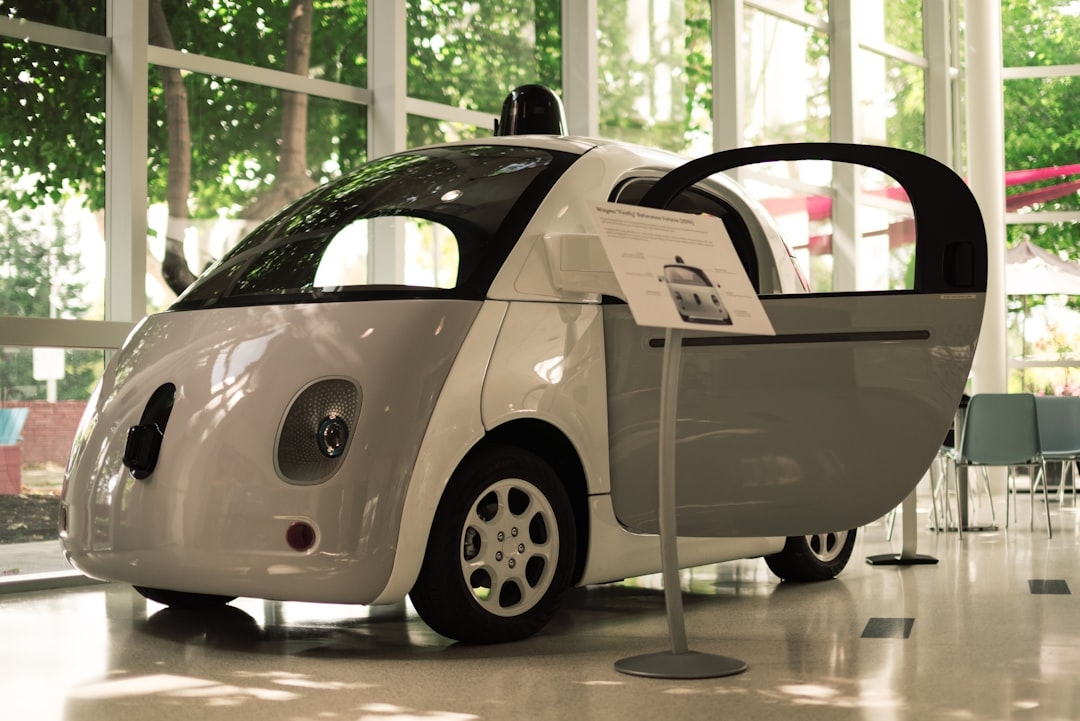
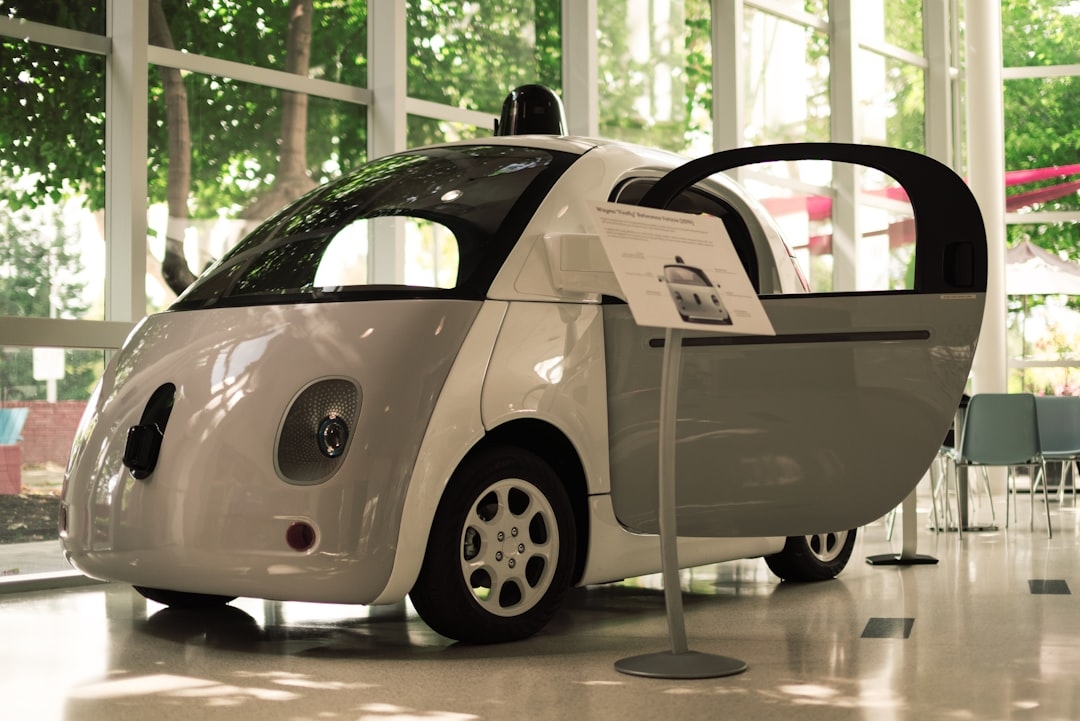
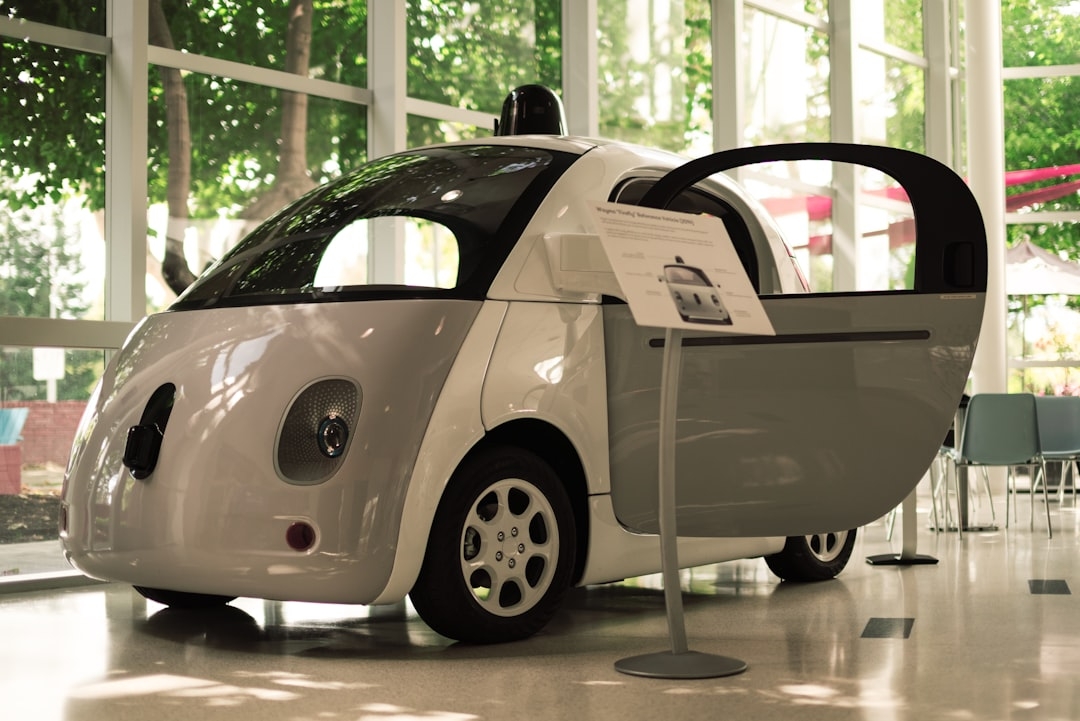
It might surprise you that a self-driving vehicle, designed to operate autonomously, can literally be stopped by an open door. Waymo, a pioneer in autonomous driving technology, has recently asked DoorDash drivers to ensure its car doors are fully shut. If a passenger accidentally leaves a Waymo vehicle’s door open, the car's system can get stuck and fail to move.
This issue is a stark reminder that even the most advanced automated systems still need human cooperation and precise mechanical protocols to function flawlessly.
What Happens When Waymo Car Doors Are Left Open?
At the core of the problem lies Waymo’s safety and operational logic. The vehicle detects open doors as a potential hazard—after all, a moving car with open doors can be dangerous. As a result, the system disables movement until the door is properly closed. This means the car will remain immobilized until the issue is resolved, causing delays and disruptions to rides and deliveries.
This technical safeguard is intended to protect passengers and others, but in the real world, it introduces new challenges.
Why Does This Matter to DoorDash Drivers and Passengers?
Imagine a DoorDash driver picking up or dropping off food from a Waymo self-driving car. If a passenger forgets to close the door completely, the vehicle locks in place. The driver is then tasked with making sure the door is shut, a responsibility not typical for drivers in traditional vehicles.
This scenario highlights a surprising dependency. Even though self-driving cars promise autonomy, certain manual tasks remain essential. That means DoorDash drivers must be vigilant—not just about deliveries—but also about the vehicle’s physical state.
How Does Waymo's Door Sensor Technology Work?
Waymo utilizes door sensors that precisely detect whether a door is open or closed. These sensors communicate with the car’s control system to enforce safety protocols. If a door is ajar, the car’s drive system goes into a fail-safe mode to avoid movement.
This technology is similar to the door safety locks in many cars today, but in Waymo's vehicles, the preventive lock system is integrated directly with the self-driving control algorithms. It is these built-in safeguards that prevent the car from driving away with a door open.
Is This Door Problem Common in Autonomous Vehicle Use?
Based on industry experience, this issue isn't unique to Waymo but is a broader challenge for autonomous vehicle fleets integrating with human users. In autonomous systems, edge cases like an open door cannot be overlooked, as they create operational blind spots.
While software can handle navigation, perception, and decision-making, mechanical and physical human factors can still cause system interruptions. This shows the importance of combined human-system interaction.
How Does Waymo Address the Door Issue?
To mitigate this problem, Waymo has instructed DoorDash drivers to always check and close the vehicle doors manually if left open. This simple human intervention ensures the autonomous system can resume operation without delay.
Additionally, by involving drivers in managing this aspect, Waymo reduces downtime and prevents stuck vehicles on the road, improving service reliability.
Trade-offs of this Approach
- Pros: Immediate fix through human oversight keeps vehicles moving and passengers safe.
- Cons: Contrary to fully hands-off promises, it requires driver attention and responsibility.
This trade-off demonstrates how real-world autonomous vehicle adoption often blends automation with human roles.
What Are the Possible Long-Term Solutions?
Technical teams are exploring enhancements to door-closing mechanisms—automated door closures that do not require manual intervention could be a solution. Additionally, more intuitive alerts inside and outside the vehicle might reduce accidental door openings.
Until then, human cooperation remains an essential part of autonomous vehicle operation.
Lessons Learned from Practical Experience
Having witnessed system immobilization due to an open door during operations, it’s clear that autonomous vehicle providers and partners must prepare for unexpected human errors. This collaboration improves service resilience and user experience.
How Should Drivers and Passengers Adapt?
For DoorDash drivers using self-driving cars, the best practice is to always verify doors are fully closed before moving the vehicle. Passengers should also be mindful of properly shutting doors, knowing the impact that a simple oversight could have on their ride or delivery.
Checklist for Drivers and Passengers
- Confirm all doors are securely latched before driving.
- Look for dashboard or alert notifications indicating open doors.
- If a vehicle is stuck, manually check doors before requesting technical support.
- Communicate with passengers about the importance of closing doors properly.
Why Is This Issue a Sign of Autonomous Technology Maturity?
Unexpected mechanical issues like open doors illustrate that autonomous vehicles are not just software solutions—they are complex systems that merge hardware, software, and human interaction. Recognizing and managing these challenges is part of the technology’s ongoing refinement.
Addressing these finer points helps improve safety and reliability, bringing us closer to truly seamless autonomous transportation.
How Can You Decide If a Self-Driving Car Works Well For Your Needs?
Consider the trade-offs between automation and human factors. Evaluate the level of human involvement required in operations, such as manual door management, against the benefits of the technology.
- Assess how often manual interventions occur.
- Review support systems for resolving such issues quickly.
- Balance expectations regarding full autonomy versus hybrid human-automation models.
Using this decision matrix can help determine the readiness and suitability of autonomous vehicles in different contexts.
Final Thoughts
The door issue with Waymo’s self-driving cars is a clear example of real-world challenges that arise when bringing cutting-edge technology into everyday use. It reveals the fine line between automation and necessary human oversight, emphasizing collaboration between human operators and machines.
Before embracing self-driving cars fully, users and partners should prepare for these practical realities to ensure smooth, safe, and efficient operations.
Concrete Next Steps: Decision Checklist
Spend 15-25 minutes completing the following checklist to analyze whether you can accommodate the current limitations of autonomous vehicles like Waymo’s:
- Identify your tolerance for manual vehicle interventions (e.g., closing doors).
- Understand the operating protocols and user responsibilities.
- Evaluate your workflow for handling system interruptions.
- Analyze the impact of potential delays caused by vehicle immobilization.
- Determine if your service model can integrate human–machine collaboration.
This practical evaluation will help shape realistic expectations and guide decision-making in adopting self-driving vehicle technologies.
Technical Terms
Glossary terms mentioned in this article





Comments
Be the first to comment
Be the first to comment
Your opinions are valuable to us