
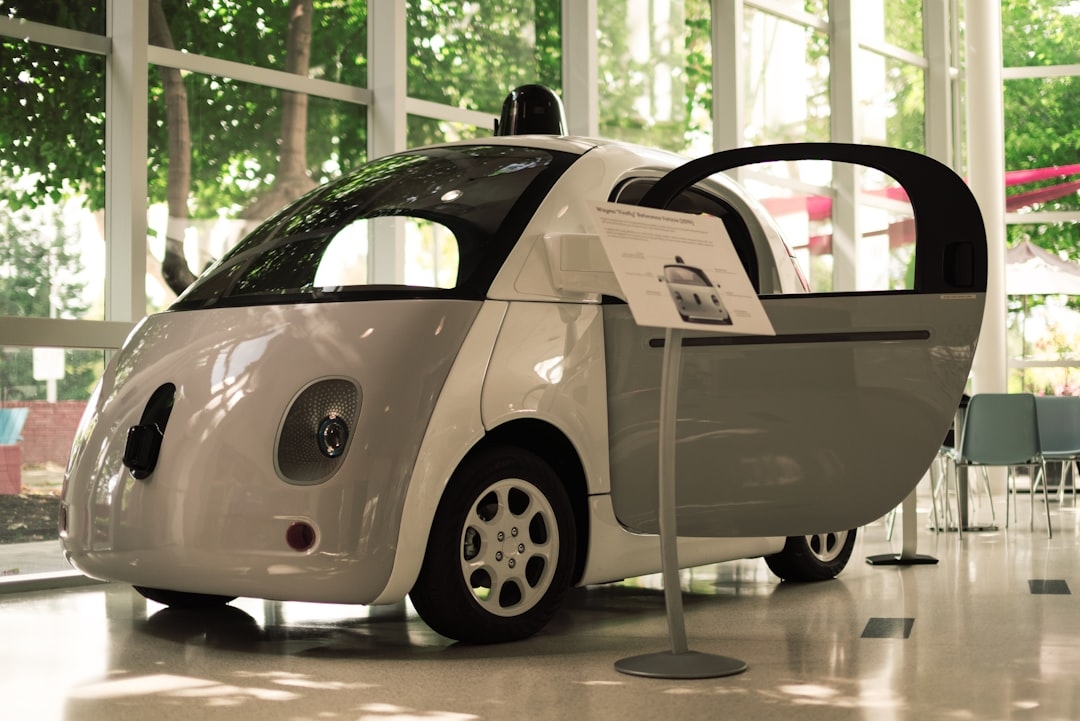
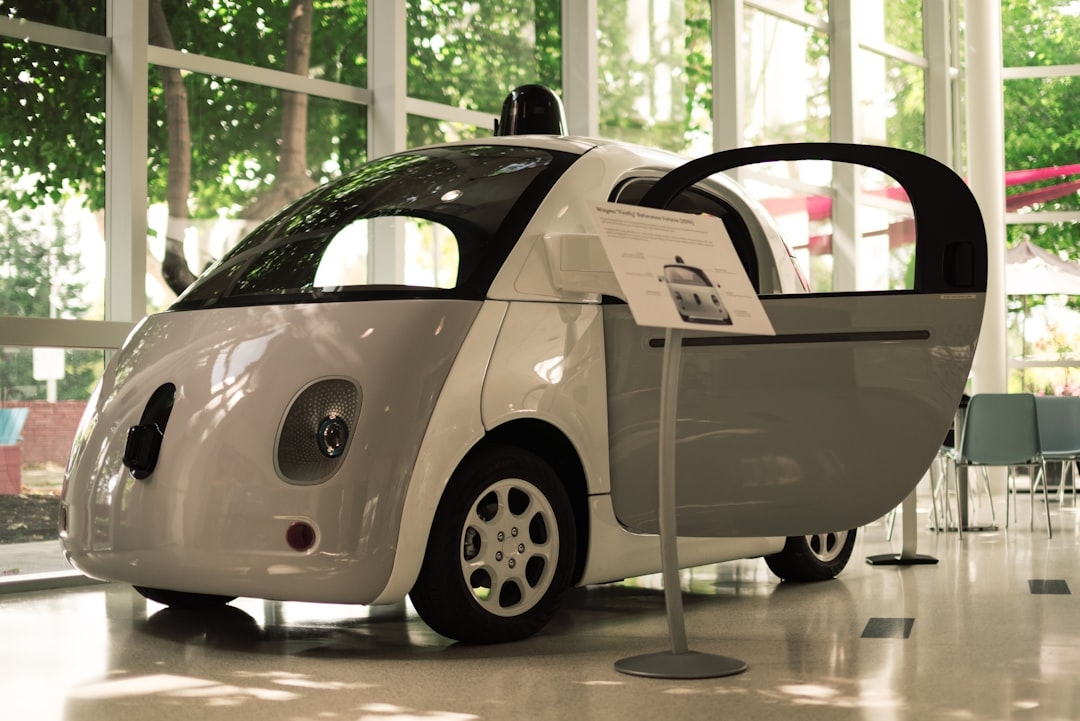
Autonomous vehicles have been a cornerstone of the future of transportation, promising safer roads and enhanced mobility. Recently, Waymo, one of the pioneers in self-driving technology, has stepped forward to defend its approach amidst rising scrutiny over the safety and reliability of autonomous vehicles. Understanding Waymo’s stance is critical as these technologies inch closer to widespread adoption.
As more companies develop autonomous driving systems, public concerns grow stronger about how these vehicles behave in complex real-world scenarios. Waymo’s defense not only clarifies its safety protocols but also highlights the challenges that remain in perfecting autonomous mobility.
How Does Waymo’s Autonomous Driving Technology Actually Work?
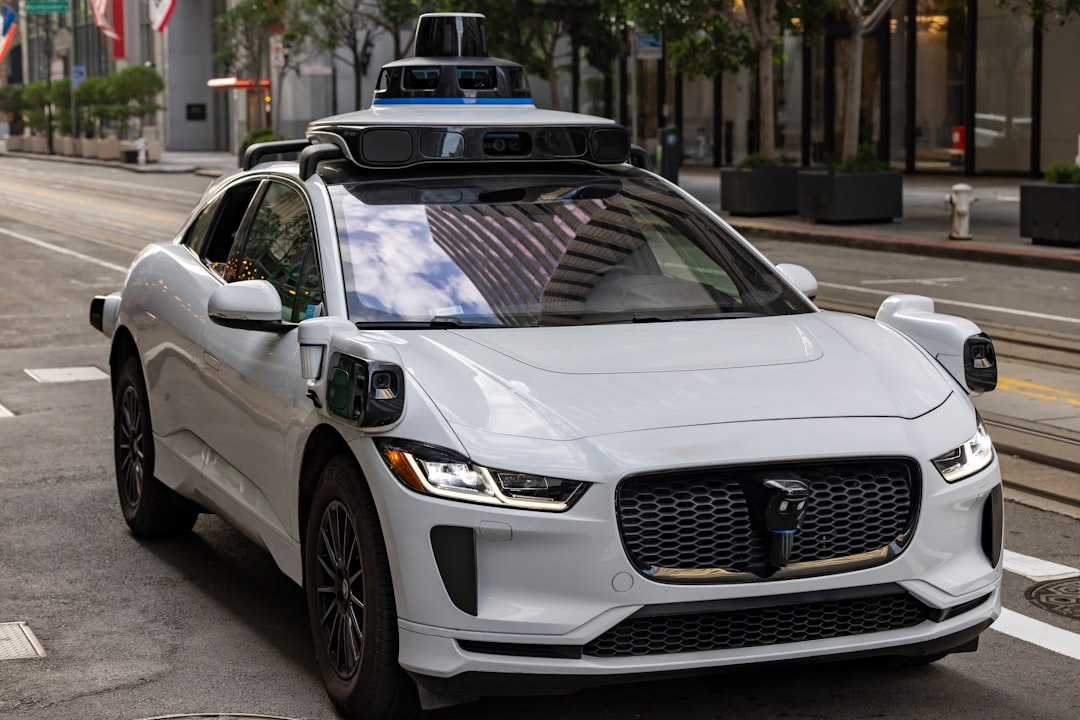
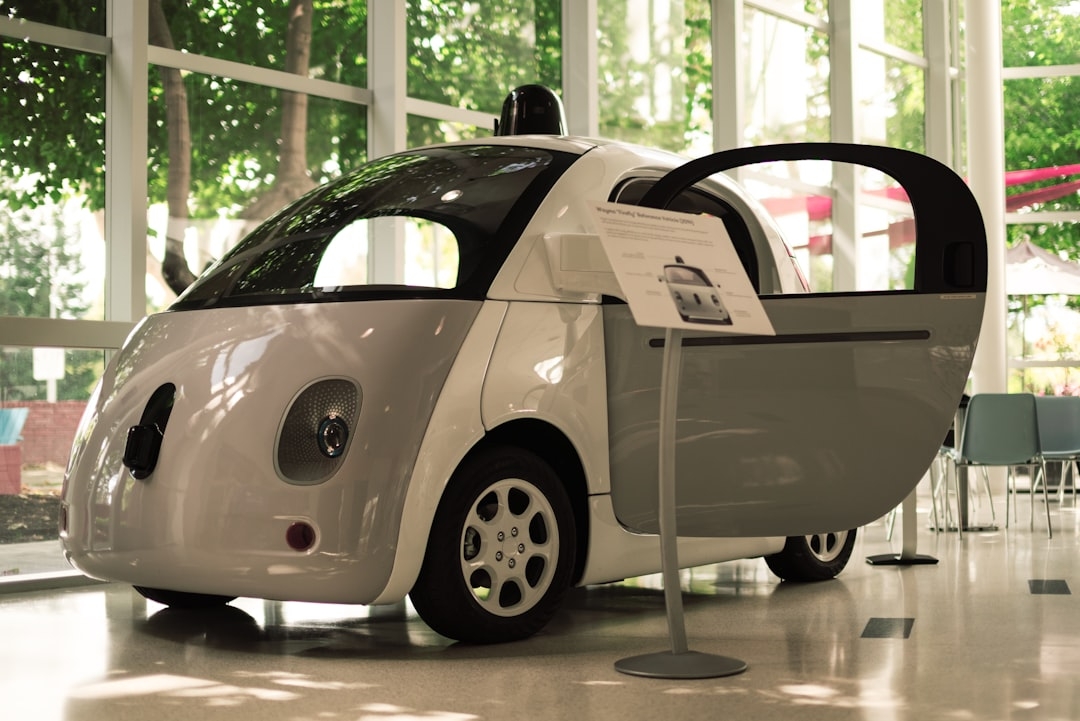
Waymo’s self-driving system uses a combination of sensors including LiDAR (Light Detection and Ranging), radar, and high-resolution cameras. These sensors create a detailed real-time map of the environment, allowing the vehicle to detect obstacles, road signs, pedestrians, and other vehicles.
LiDAR works by emitting laser pulses and measuring the time it takes for them to bounce back, creating a precise 3D representation around the car. Radar helps detect the speed and position of objects, especially in adverse weather conditions where vision can be limited.
To process this enormous amount of data, Waymo employs advanced machine learning algorithms that interpret patterns and make driving decisions. This includes obeying traffic rules, predicting pedestrian movements, and planning safe trajectories.
What Are Common Misconceptions About Waymo’s Safety?
- Misconception 1: Self-driving cars are completely error-free. Reality: No technology is perfect. Waymo emphasizes a layered safety approach that combines software, hardware redundancy, and continuous testing.
- Misconception 2: Autonomous vehicles replace the need for human oversight entirely. Reality: Waymo initially deployed vehicles with safety drivers as a precaution during development phases, and even now, supervision plays a role in many operational contexts.
- Misconception 3: Self-driving cars cannot handle complex urban environments. Reality: Waymo has conducted extensive testing in complex urban settings, improving system behavior over millions of miles driven in diverse conditions.
Why Does Waymo’s Defense Matter for the Future of Transportation?
The debate around autonomous vehicle safety affects public acceptance, regulatory frameworks, and investment in the industry. Waymo’s detailed defense of its technology provides transparency into the challenges and progress made, informing policy makers and the public.
Understanding that Waymo combines rigorous testing with continuous software updates highlights an ongoing commitment to safety rather than a finished product claim. This approach sets a foundation for trust as autonomous vehicles become an integral part of mobility solutions worldwide.
How Does Waymo Compare to Other Autonomous Vehicle Companies?
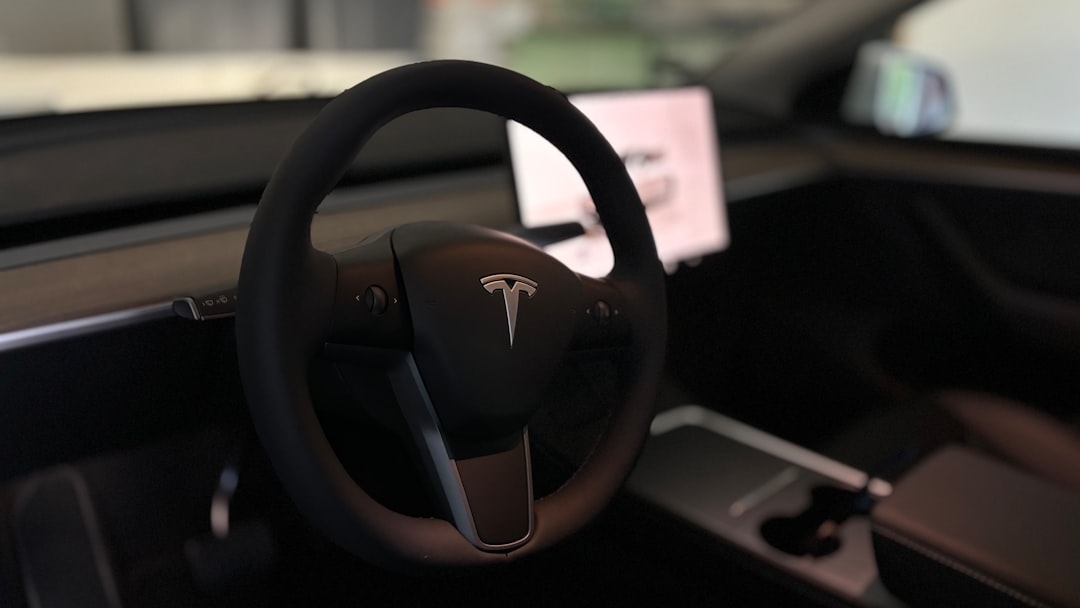
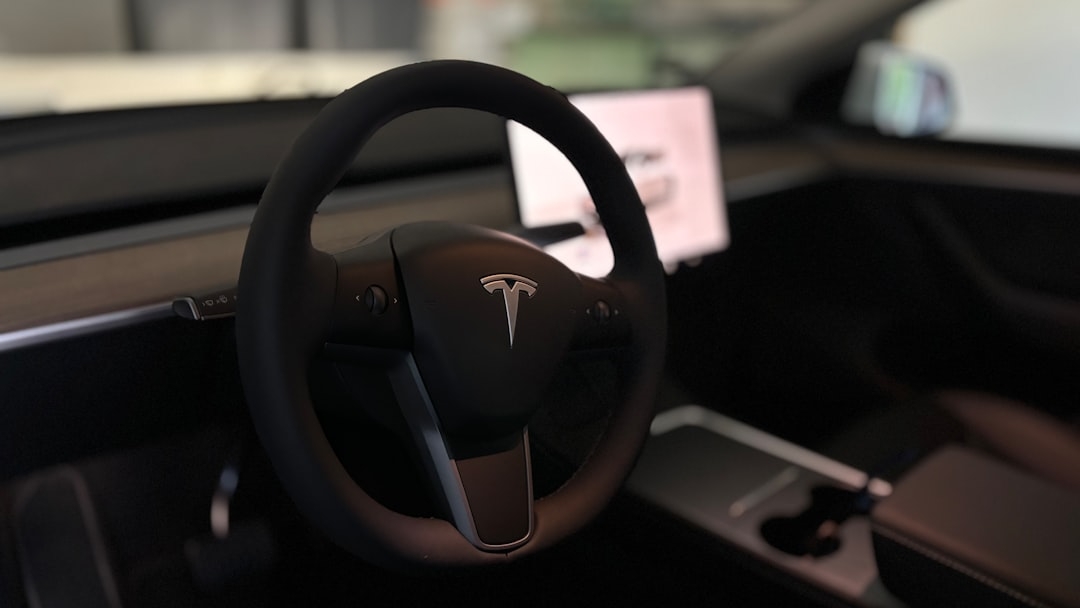
| Feature | Waymo | Tesla Autopilot | Cruise |
|---|---|---|---|
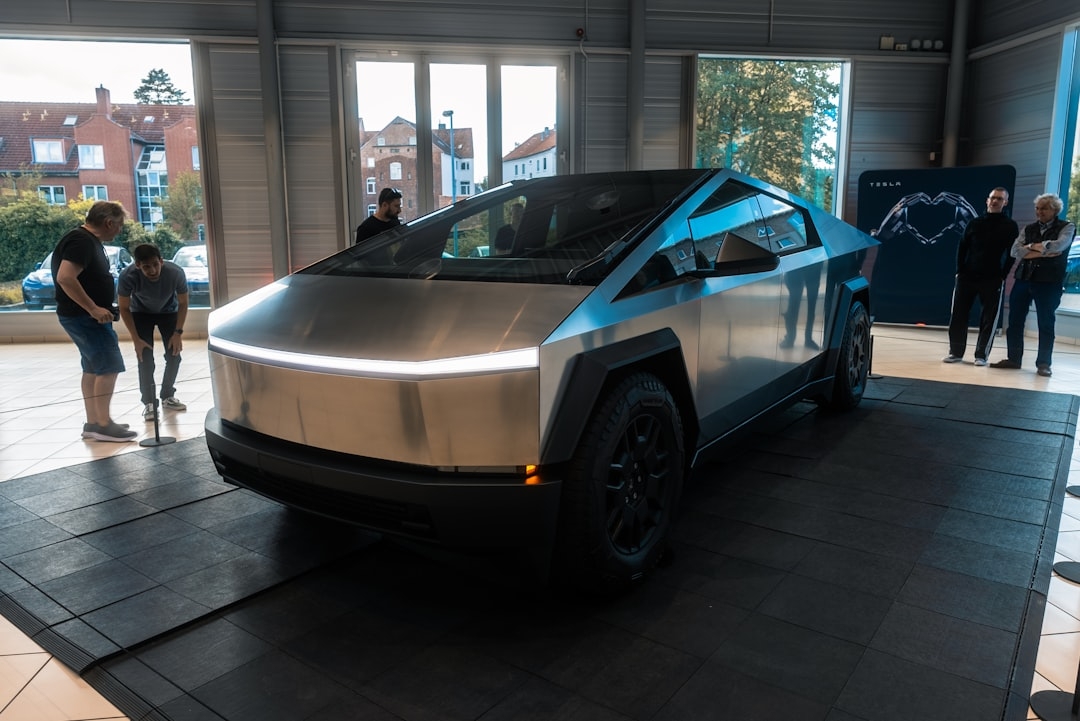
| Primary Sensor | LiDAR, Radar, Cameras | Cameras, Radar (No LiDAR) | LiDAR, Radar, Cameras |
| Level of Autonomy | Level 4 (Geofenced) | Level 2 (Driver Assist) | Level 4 (Geofenced) |
| Operational Area | Multiple urban areas, limited geofenced zones | Global (driver requires attention) | San Francisco (Geofenced) |
| Human Safety Driver | Often in test phases or remote monitoring | Always required | Often in test phases or remote monitoring |
Autonomy Levels Explained: The Society of Automotive Engineers (SAE) defines autonomy on a scale from 0 to 5. Level 4 vehicles, like Waymo’s, can handle driving without human interaction within defined areas (geofenced), but may require human intervention outside those zones.
What Are the Technical Limitations Waymo Faces Today?
Despite significant advances, Waymo acknowledges intrinsic challenges associated with sensor limitations, unpredictable human behavior, and environmental conditions such as heavy rain or snow affecting sensor performance. The company relies on continuous software updates and vast amounts of testing data to improve the system’s decision-making abilities and response times.
Trade-offs matter: Too conservative a system may cause unnecessary stops, frustrating passengers and other drivers. Too aggressive, and it risks safety. Balancing these trade-offs is complex and demands extensive field testing.
Can You Test Autonomous Vehicle Safety Yourself?
While real autonomous driving tests require specialized vehicles and environments, you can run a simple experiment in understanding decision-making for self-driving cars. Try a simulation game or drive-assist app offering obstacle detection scenarios for about 20 minutes. Observe how the system predicts and reacts to dynamic obstacles.
This exercise highlights key challenges Waymo and others address, such as object detection accuracy, latency, and road rule compliance.
What Should Readers Take Away From Waymo’s Defense?
Waymo’s response to criticism shows an industry in progress — learning and evolving. While fully flawless autonomy is yet to come, the robust layers of sensors, AI algorithms, human oversight, and rigorous testing create a safer future for transportation.
Stay informed about safety standards, regulatory developments, and real-world testing milestones to evaluate autonomous vehicle technologies critically. If you’re interested, exploring simulator-based tests offers a hands-on glimpse into how these systems think and act.
Technical Terms
Glossary terms mentioned in this article





Comments
Be the first to comment
Be the first to comment
Your opinions are valuable to us