
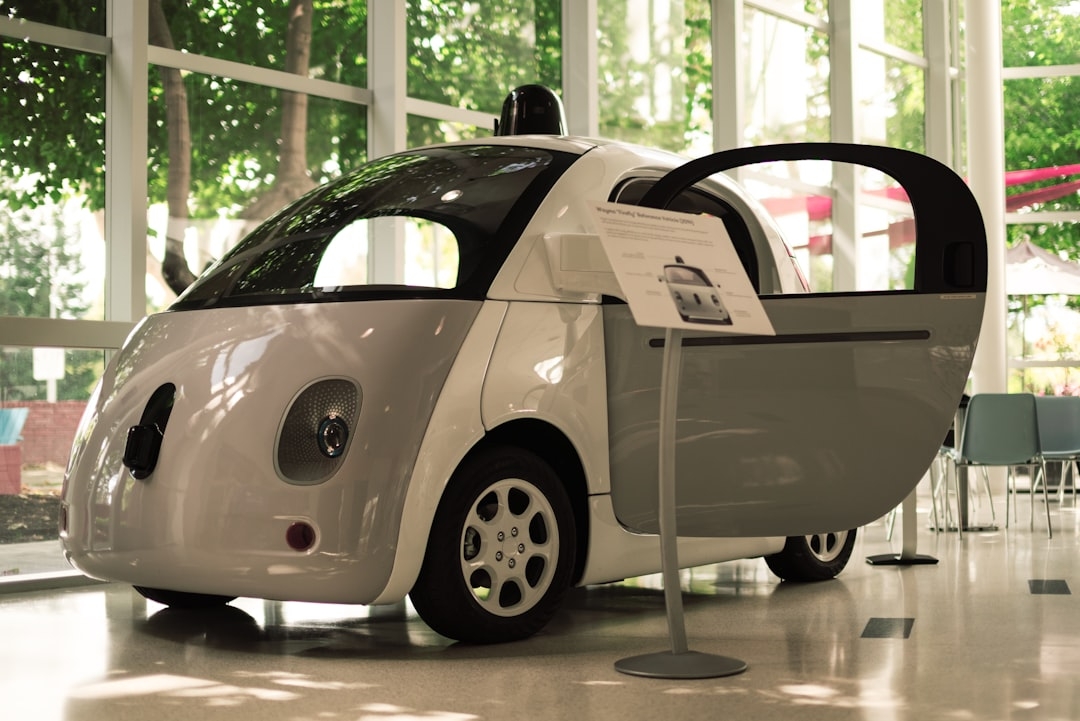
Why Is Waymo Testing Driverless Robotaxis in Nashville?
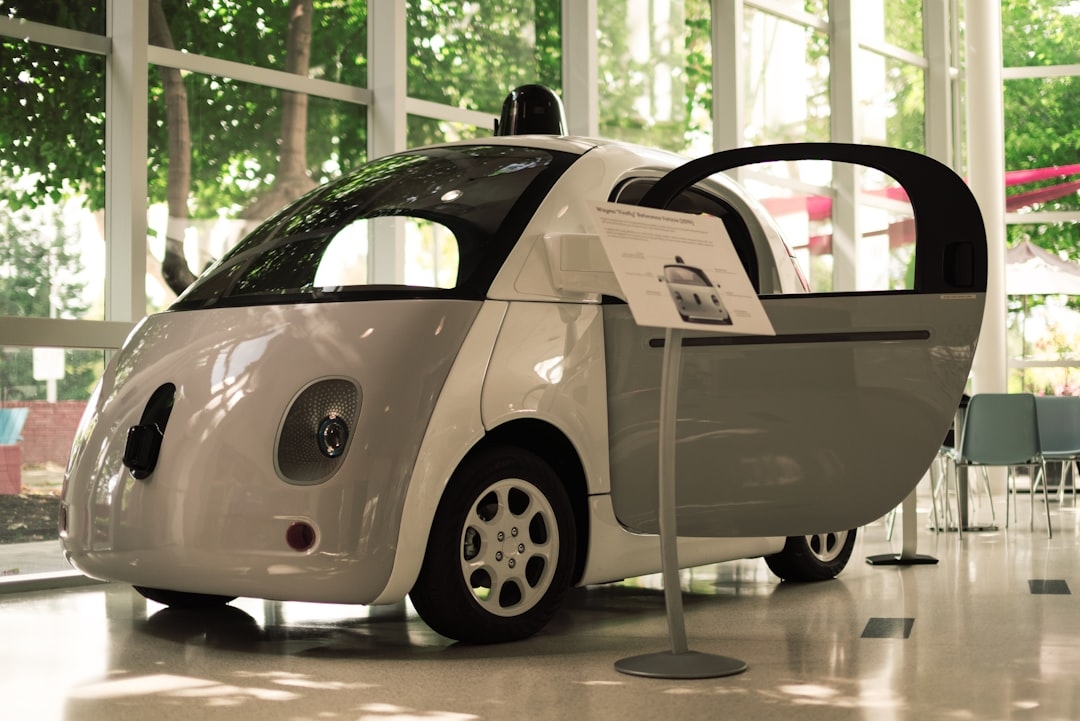
Waymo, a pioneer in self-driving technology, has started testing its driverless robotaxis in Nashville. This phase is crucial before launching a fully commercial service. But what exactly does this testing entail, and why Nashville? Testing allows Waymo to observe how its autonomous vehicles perform in real-world, complex urban scenarios without safety drivers.
Nashville offers a good mix of suburban streets and city traffic, providing Waymo with varied road conditions and challenges to refine its technology. This incremental step gives insight into the vehicle’s ability to handle unpredictable human behaviors, traffic signals, pedestrians, and weather conditions.
How Does Waymo’s Driverless Testing Work?
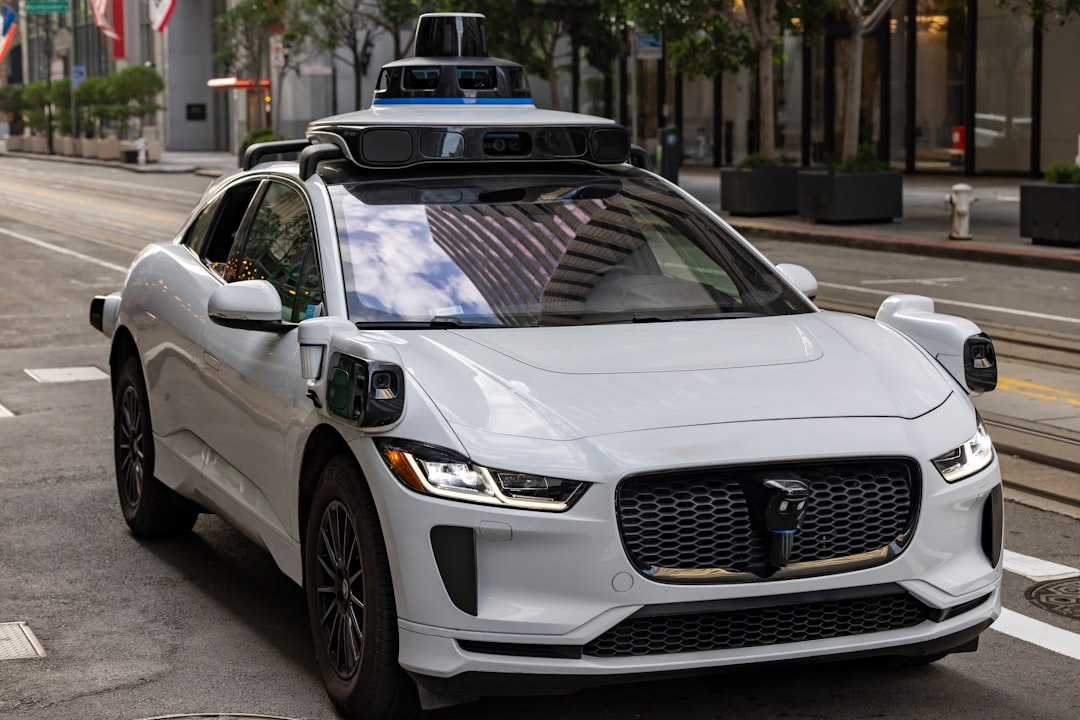
The driverless robotaxis operate without a safety driver behind the wheel, instead relying entirely on a suite of sensors, cameras, and advanced software algorithms. Waymo’s technology combines lidar sensors—which use lasers to map objects around the vehicle—with radar and high-resolution cameras to create a 360-degree awareness.
These sensor inputs feed into sophisticated AI systems that detect, classify, and predict the behavior of road users in real time. The vehicles then decide when to accelerate, brake, or steer. This high level of automation is often called Level 4 autonomy, meaning the car can self-drive without intervention in certain conditions.
What Challenges Does Testing Reveal?
Despite impressive progress, deploying driverless robotaxis in a live city environment uncovers many hurdles. For starters, unexpected situations like emergency vehicles, aggressive drivers, or road construction require quick, adaptive responses that are still difficult for autonomous systems to handle flawlessly.
Another major challenge is dealing with weather conditions that can confuse sensors or obscure vision, such as heavy rain or glare from the sun. Nashville's climate diversity offers a proof test for these elements.
Moreover, the social dynamics of human drivers and pedestrians—who may behave unpredictably or erratically—pose ongoing complications. It is clear that simply programming traffic rules is not enough; the AI must learn “common sense” behaviors, which remain a tricky aspect of development.
What Has Worked and What Hasn’t During This Phase?
Waymo’s approach has shown success in navigating pre-mapped areas with detailed 3D maps created in advance. The combination of multiple sensors provides redundancy, reducing the risk of total failure if one sensor struggles.
However, fully driverless operation has exposed gaps in the AI’s ability to anticipate rare or chaotic events. For example, sudden jaywalking by pedestrians or unpredictable driving by human drivers has caused cautious stops or rerouting.
What ultimately works is a blend of extensive sensor fusion and policy adjustments based on real testing feedback. Waymo continuously updates its systems based on encounters in Nashville, improving decision-making algorithms and safety protocols.
Why Is This Step Crucial Before Commercial Launch?
This real-world testing phase without a safety driver is the final proving ground for Waymo’s technology. It transforms controlled experiments into practical demonstrations of reliability and safety.
Before opening robotaxi rides to everyday customers, Waymo must confirm that its autonomous fleet can handle the unpredictable nature of city streets with minimal intervention. This ensures passenger safety and builds public trust in driverless vehicles.
Quick Reference: Key Takeaways
- Driverless robotaxi testing in Nashville helps validate autonomous tech in real-world conditions.
- Multi-sensor fusion (lidar, radar, cameras) is essential for 360-degree vehicle awareness.
- Challenges include unpredictable human behavior, weather impacts, and edge-case scenarios.
- Success depends on combining detailed maps, sensor data, and adaptive AI algorithms.
- Final testing phase without safety drivers is vital for commercial rollout readiness.
How Does Waymo’s Robotaxi Compare to Other Autonomous Ride Services?
Waymo stands out by focusing extensively on safety and pre-mapped environments, unlike some competitors that rely more heavily on real-time mapping alone. Its layered sensor suite provides higher fault tolerance, reducing risks from sensor failure.
Other companies often deploy human safety drivers during testing phases, whereas Waymo is pushing earlier into fully driverless operations—a bold but necessary step to prove confidence. This approach, however, increases exposure to unpredictable conditions and failure modes.
What Are the Trade-Offs of Early Driverless Deployments?
The advantage is accelerated development toward fully autonomous fleets capable of scaling commercial services. But risks include potential system brittleness and public hesitation if incidents occur.
On the flip side, incremental testing with drivers can reduce risk but slows data collection on fully driverless robustness. Waymo’s choice reflects a strategic gamble to balance innovation speed against reliability risks.
When Should You Trust Fully Driverless Robotaxis?
Trusting a fully driverless robotaxi requires assurance that it can reliably:
- Interpret complex, dynamic urban environments
- React safely to sudden hazards
- Maintain safe operation in diverse weather
- Adhere strictly to traffic laws and social driving norms
Waymo’s Nashville tests aim to meet these criteria, but public adoption will hinge on transparent safety records and regulatory approvals.
For users, considerations should include the extent of operational design domain (i.e., in which areas and conditions the robotaxi drives) and fallback mechanisms in case of system errors.
Checklist: Should You Opt for a Driverless Ride Now?
- Check if the service operates with or without a safety driver.
- Review safety records and incident reports for the specific city.
- Understand the operational design domain—are rides limited to mapped, predictable areas?
- Assess your comfort level with autonomous vehicle technology at its current stage.
- Consider alternatives where mixed autonomy (human + AI) may be safer.
Answering these can guide your decision on adopting driverless robotaxi rides.
Conclusion: What Nashville Testing Means for Autonomous Mobility
Waymo’s driverless robotaxi trial in Nashville represents an important milestone. It tests the boundaries of autonomy in real environments, revealing both progress and persistent challenges.
While not perfect, this phase is essential to incrementally build safer, more reliable autonomous ride services. The lessons learned here will shape not only Waymo’s offerings but also wider industry standards as driverless vehicles inch closer to routine public use.
Technical Terms
Glossary terms mentioned in this article





Comments
Be the first to comment
Be the first to comment
Your opinions are valuable to us