
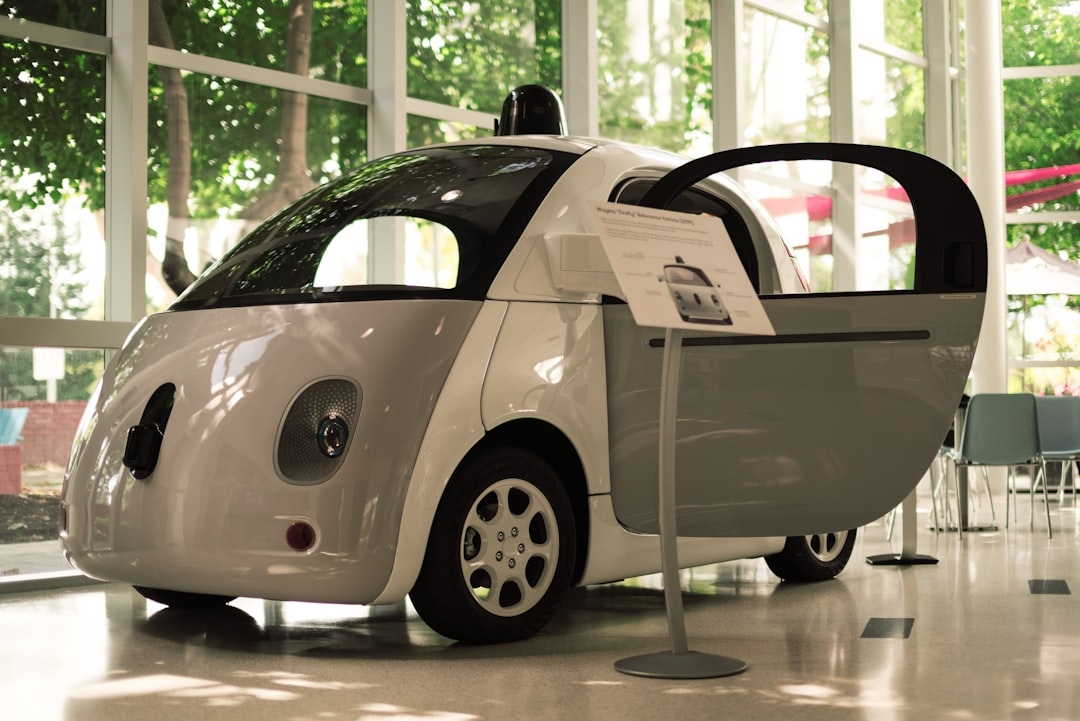
The autonomous vehicle industry has drawn increasing attention over the past decade, with Waymo often cited as the frontrunner in robotaxi technology. Now, according to recent reports, Waymo is on the verge of securing a massive $16 billion funding round, which would value the company at a staggering $110 billion. This news not only highlights the company's prominent position but also raises questions about the current state and future of robotaxi services.
Understanding Waymo’s funding milestone is essential, as it reflects growing investor confidence in self-driving technology while challenging skeptics who have long debated its commercial viability.
What Does Waymo’s $16B Fundraising Mean?
Waymo’s prospective funding round is among the largest in the autonomous vehicle sector. A robotaxi company valued at $110 billion places it in the upper echelon of tech startups globally. This capital injection is expected to accelerate their efforts in expanding operations, refining vehicle autonomy, and possibly broadening their service footprint beyond current markets.
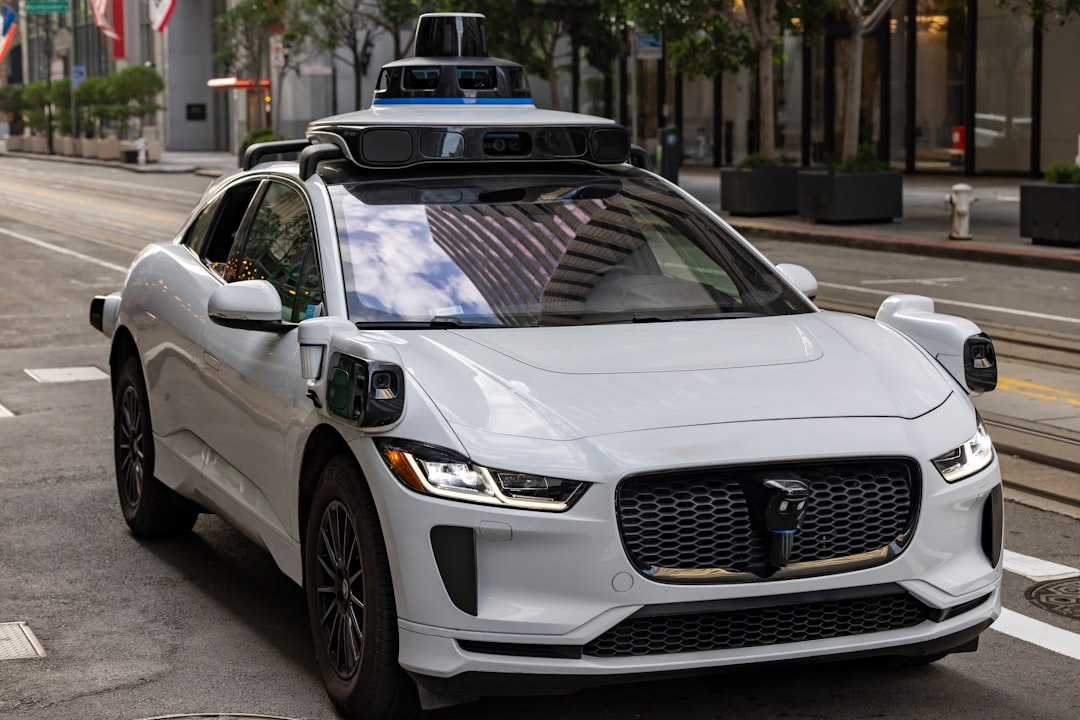
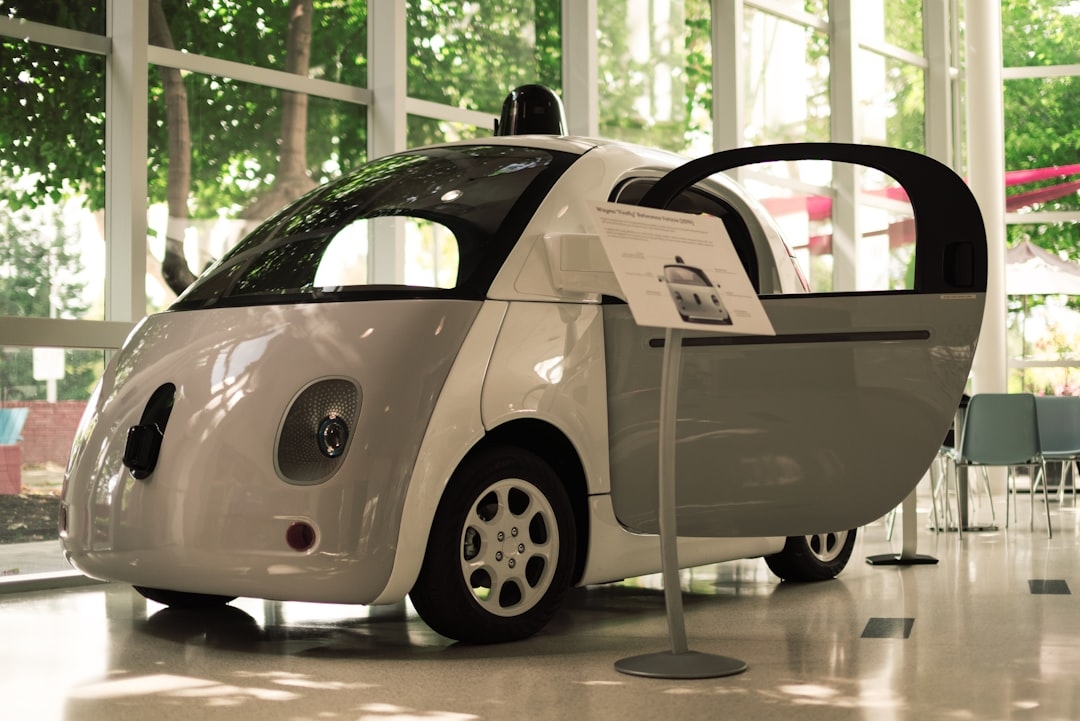
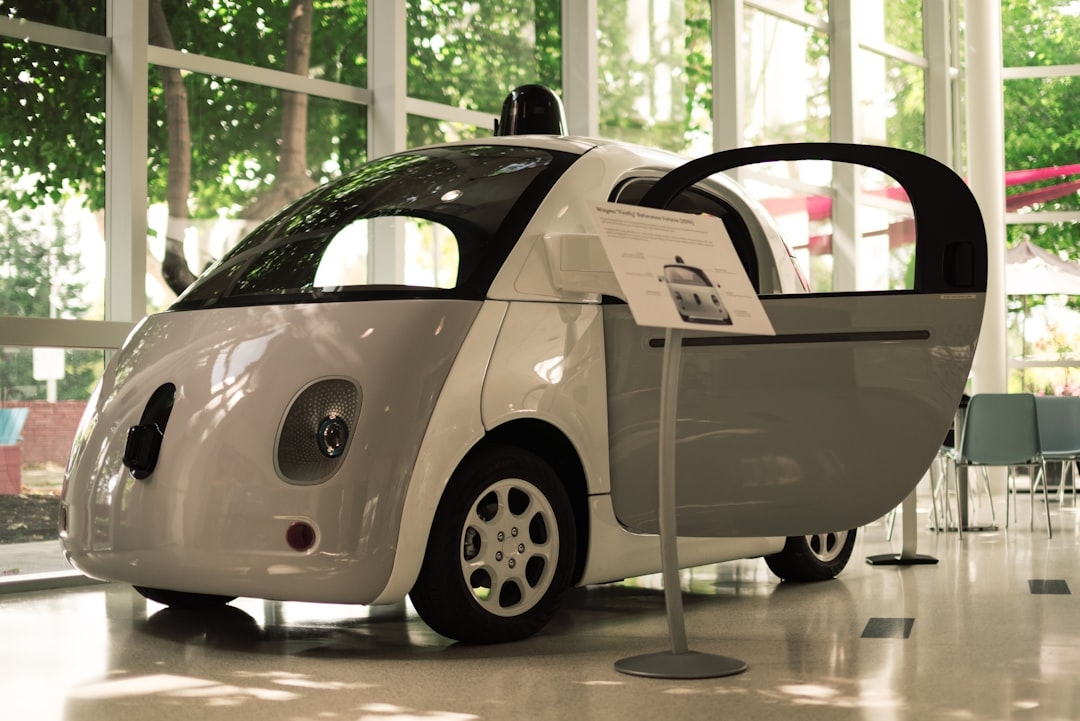
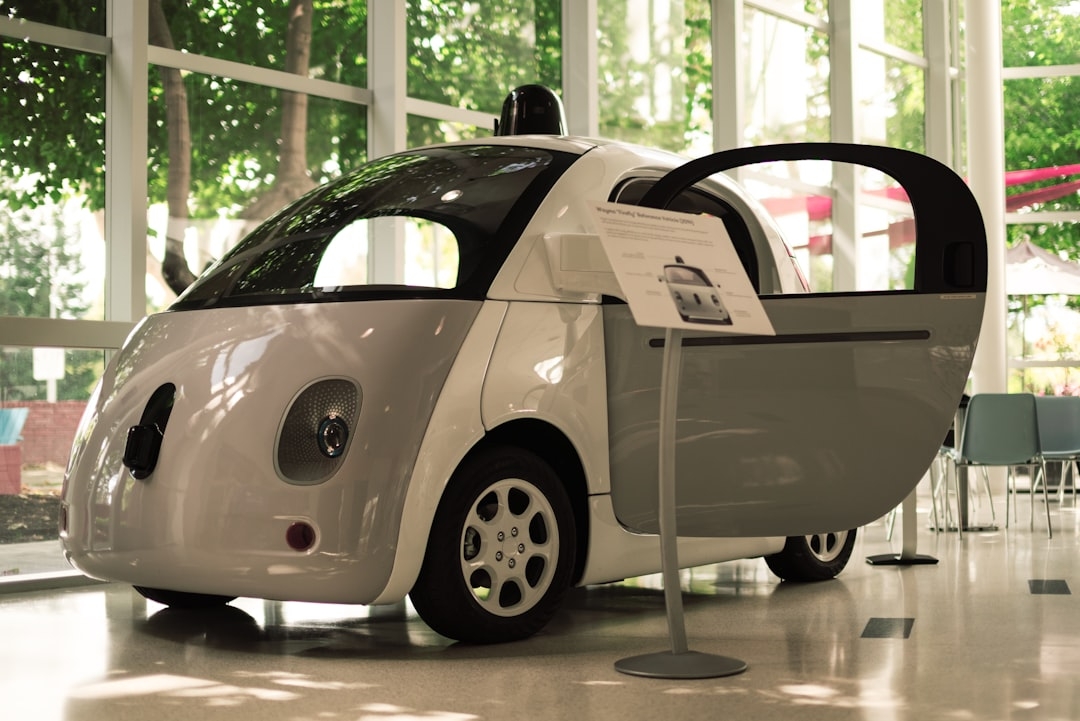
Robotaxis are autonomous vehicles equipped to serve as taxi services without human drivers. They use a mix of hardware like LiDAR, cameras, and radar, combined with complex software algorithms, to navigate urban environments safely.
How Does Waymo’s Robotaxi System Work?
Waymo’s technology integrates a suite of sensors that provide 360-degree awareness and high-definition mapping. LiDAR, a laser-based scanning technology, plays a critical role by generating detailed 3D maps to help the vehicle recognize objects and obstacles. This sensor fusion enables Waymo’s cars to understand their surroundings in real time, facilitating decision-making akin to a human driver but with potentially fewer errors caused by distraction or fatigue.
Where Does the Hype Around Waymo Fall Short?
Despite the strong investor backing, it's important to maintain a balanced perspective. Autonomous driving technology still faces significant hurdles in terms of regulatory approvals, urban complexity, and public acceptance. The ability of robotaxis to safely navigate unpredictable scenarios like heavy traffic, adverse weather, or erratic human behavior remains an ongoing challenge.
Moreover, large-scale deployment requires addressing technological robustness and infrastructure constraints. Cities must adapt to ensure efficient interactions between human-driven vehicles and robotaxis. These factors make it clear that despite the optimism, robotaxis aren’t an immediate replacement for traditional taxis or ride-hailing services in most parts of the world.
When Should You Use Robotaxis?
Robotaxi services currently thrive in controlled environments and select urban areas with well-mapped roads. If you live in a city where Waymo or similar services operate, using robotaxis offers advantages like potentially lower costs, driver-free rides, and cutting edge technology integration. However, in complex or less mapped areas, traditional services may still be more reliable.
What Alternatives Exist to Waymo’s Robotaxis?
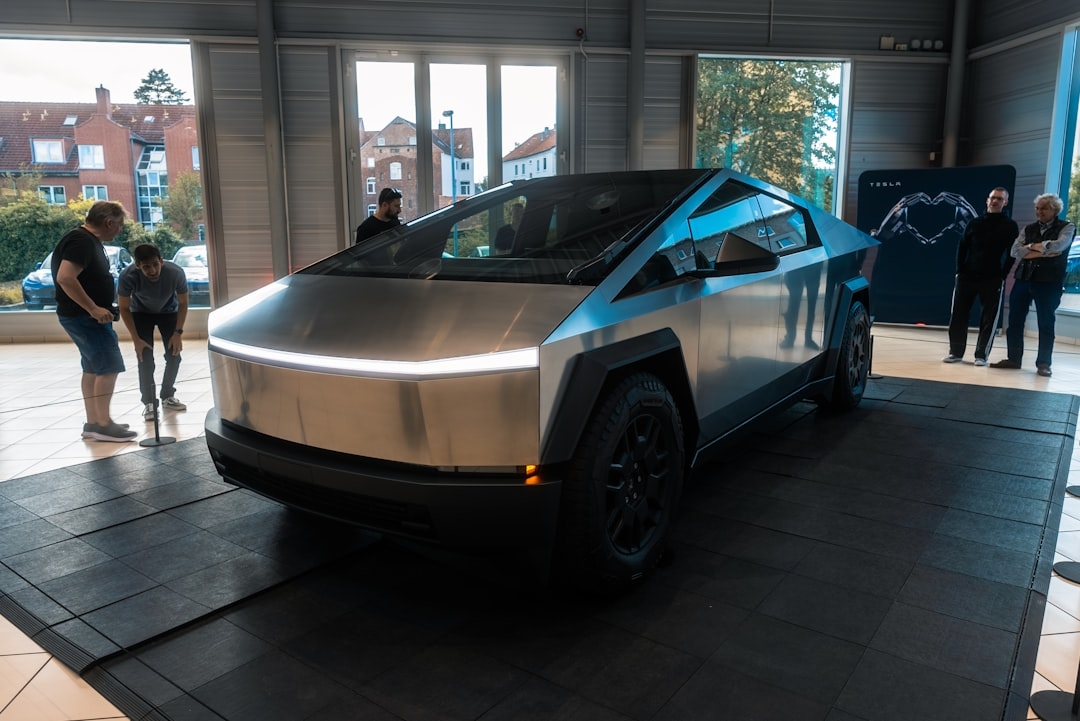
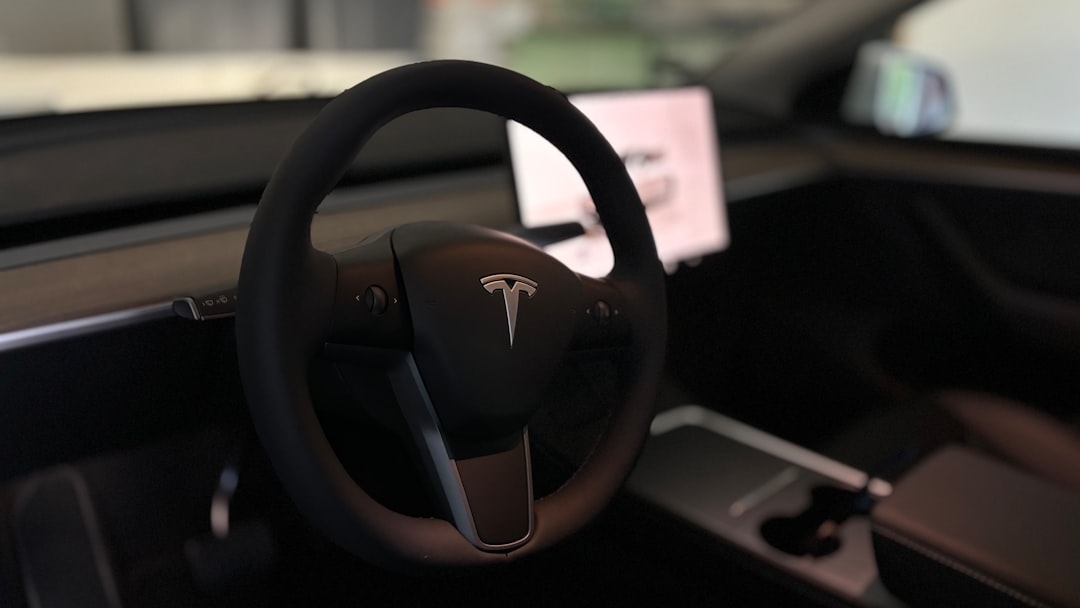
Other companies are also advancing in the autonomous vehicle space, including Cruise, Tesla, and Aurora. Each takes a slightly different technical approach. While Waymo leans heavily on detailed mapping and LiDAR, Tesla relies more on camera-based systems with real-time processing. Understanding these differences helps consumers and investors evaluate varied strategies in autonomy.
- Cruise: Focuses largely on urban deployment with General Motors backing.
- Tesla: Employs a vision-only approach for its Full Self-Driving (FSD) beta.
- Aurora: Develops self-driving systems for freight and passenger vehicles, using a hybrid sensor setup.
How Is Waymo Positioned for the Future?
Waymo’s valuation and funding suggest strong confidence in the company’s leadership and technology. However, success depends on overcoming technical challenges and navigating regulatory environments. Investors see this round as a bet on Waymo’s ability to scale operations and capture meaningful market share.
For users, the growth of robotaxis promises a future where mobility is safer, more convenient, and less reliant on human drivers. Yet, patience is essential – widespread adoption hinges on continuous improvement and real-world testing results.
When NOT to Use Robotaxis
Robotaxis are best avoided in areas with severe weather conditions, poor road markings, or unexpected traffic patterns. If you require quick, flexible rides or need to travel outside supported zones, traditional ride-hailing remains a better option. Also, passengers with specific accessibility needs may find current robotaxi features limited compared to human drivers.
Final Thoughts
Waymo’s reported $16 billion fundraising round and $110 billion valuation mark a significant moment for the autonomous vehicle industry. While robotaxis are poised to transform urban mobility, real-world constraints mean this transformation will be gradual. Recognizing when and where autonomous vehicles shine, their current limitations, and alternative choices is key for both consumers and investors.
Experiment for readers: If you’re in a city where Waymo or similar robotaxi services operate, try scheduling a ride and observe how the system handles complex situations such as traffic lights, pedestrian crossings, or sudden stops. Comparing this experience to traditional ride-hailing will give you personal insight into the strengths and current limits of self-driving taxis.
Technical Terms
Glossary terms mentioned in this article




Comments
Be the first to comment
Be the first to comment
Your opinions are valuable to us