

Google recently granted its CEO Sundar Pichai a staggering $692 million pay package, raising eyebrows across the tech and investment communities. Most of this compensation isn’t a straightforward salary; it’s heavily tied to performance milestones, particularly new stock incentives linked to Waymo, Google's autonomous vehicle unit, and Wing, its drone delivery venture.
This payout sheds light on how Google is structuring executive rewards to align with long-term innovation bets instead of immediate profits. But what exactly is in this deal, and why does it matter? Let’s unpack what’s driving this unprecedented reward and the potential risks involved.
What Does Sundar Pichai’s $692M Pay Package Include?
The headline number—$692 million—sounds astronomically high. However, the bulk of this compensation isn’t cash in hand. It primarily consists of stock awards tied to performance goals, notably linked to Google's key moonshot projects: Waymo, which develops self-driving cars, and Wing, its drone delivery initiative.
Stock incentives are a common tool to motivate executives to hit ambitious targets. When shares vest only if specific performance metrics are met, it aligns leadership’s incentives with shareholder value over time.
How Do Waymo and Wing Factor Into This?
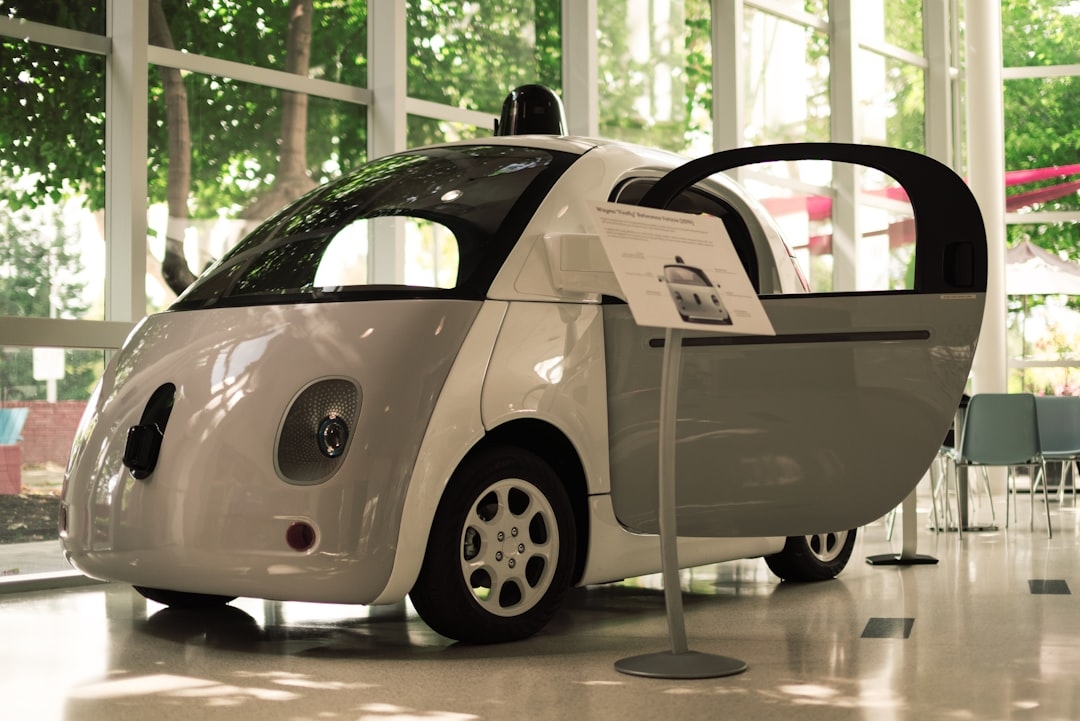
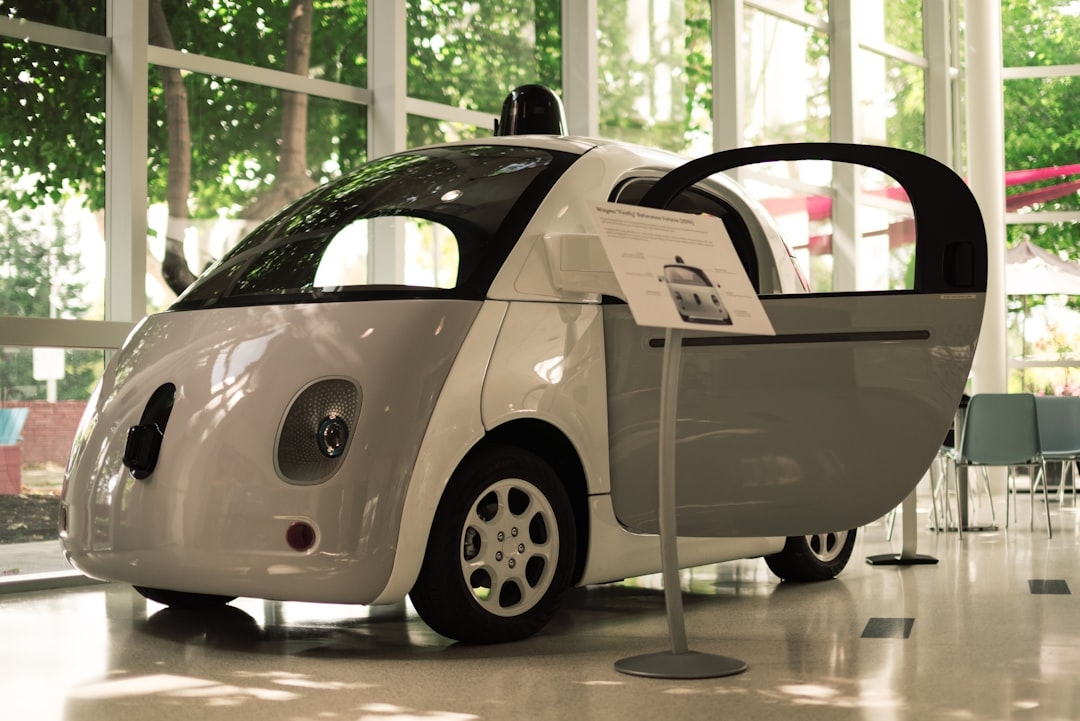
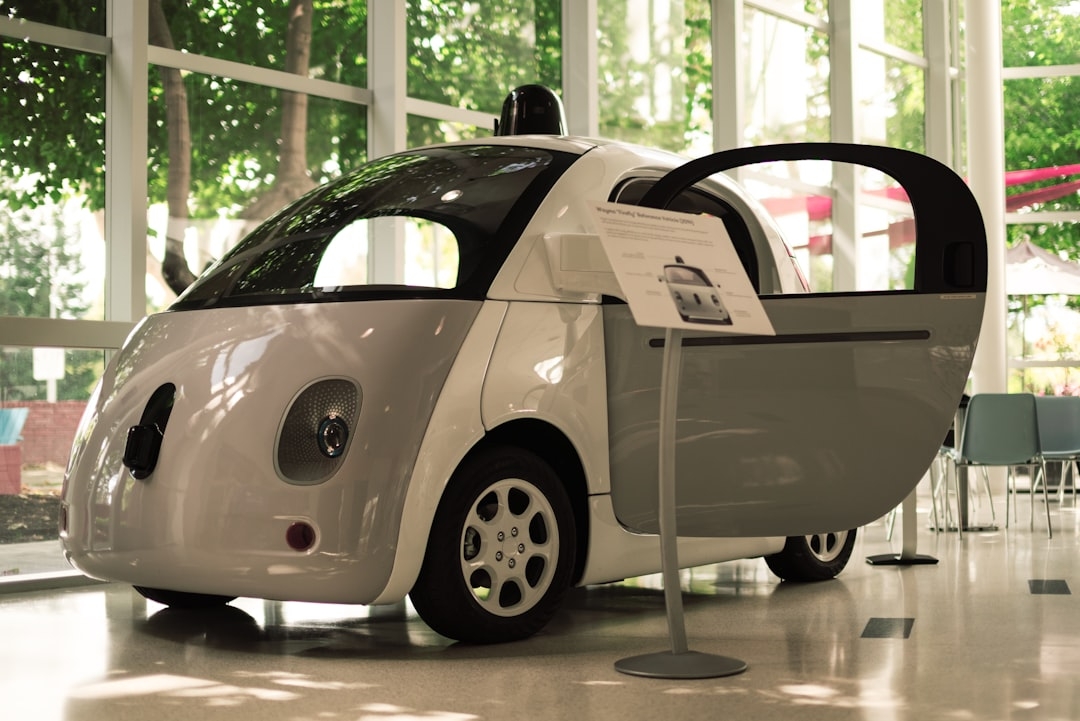
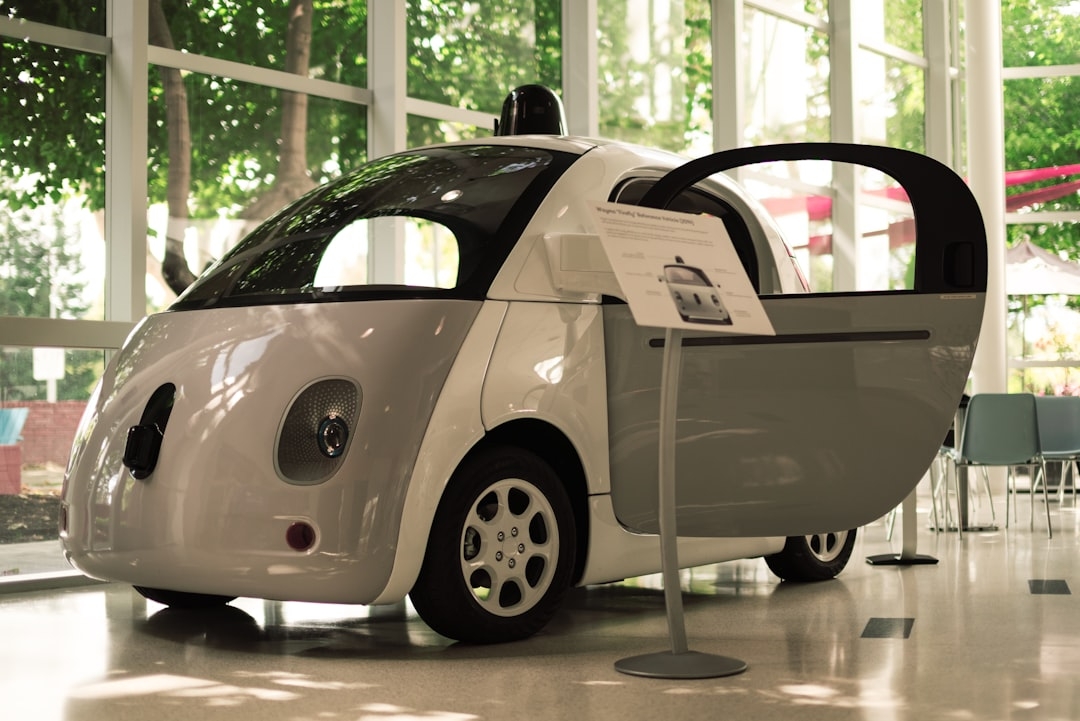
Waymo is one of the world’s most advanced self-driving technology companies, aiming to revolutionize transportation. Wing focuses on drone delivery, a potentially transformative logistics solution that could disrupt last-mile delivery models.
The stock awards tied to these ventures are not guaranteed. They depend on achieving performance milestones in these highly experimental and capital-intensive sectors. This means Pichai’s actual earnings depend on the success or failure of these future technologies.
How Does Performance-Based Pay Affect Corporate Strategy?
Receiving a large portion of compensation based on stock tied to futuristic projects isn’t just about rewarding success. It pushes executives toward pursuing long-term innovation, even when it means short-term risks or slower profits.
In practice, this can encourage risk-taking and investment in emerging tech that otherwise might struggle for attention in a results-driven corporate environment. But it also places enormous pressure on the success of these speculative bets.
What Are the Risks and Constraints?
- Market volatility: If the stock price fluctuates wildly, even hitting milestones might not translate into proportional rewards.
- Technical challenges: Autonomous driving and drone deliveries face regulatory, safety, and technical hurdles that may delay or derail progress.
- Investor expectations: Aggressive pay linked to unproven ventures might unsettle some investors demanding steady returns.
From our observation, businesses often struggle balancing visionary goals and shareholder patience. Overcommitment to moonshots can lead to costly failures or a distracted corporate focus.
How Does Google’s Approach Compare to Industry Standards?
Executive pay benchmarking shows that technology leaders increasingly tie compensation to innovation-driven milestones. Yet, Pichai’s $692 million package stands out for scale and the explicit link to nascent ventures like Waymo and Wing.
This highlights Google's commitment to backing high-risk projects with potentially massive payoffs. However, such packages invite scrutiny about fairness, especially when general employee rewards don’t reach similar heights.
What Can We Learn From Previous High-Value Executive Incentives?
Historically, performance-based incentives can backfire if goals are poorly aligned or market conditions change. In some tech firms, executives rewarded for growth metrics ended up prioritizing short-term stock boosts over sustainable development.
Google's structure of tying rewards to futuristic subsidiaries suggests a different tactic focused on breakthrough innovations rather than quarterly earnings. Still, the jury is out on whether this will consistently deliver stakeholder value over the coming decade.
Practical Considerations When Evaluating Executive Pay Packages
For investors or industry observers, here are key factors to consider:
- Time frame: Understand over what period the stock awards vest and what milestones must be met.
- Performance metrics: Are they transparent and measurable, or vague goals that can be interpreted flexibly?
- Project viability: Evaluate how mature and realistic the tied ventures are in delivering marketable products.
- Risk tolerance: Consider how much risk you believe management should take relative to guaranteed pay.
- Corporate governance: Check how board oversight ensures alignment with shareholder interests.
What Is the Verdict on Google’s $692M Pay Award?
This pay package reflects Google's strategy to incentivize leadership on particularly ambitious and uncertain projects. It signals confidence in Waymo and Wing as pillars of future growth. However, the enormous size and complexity of the rewards imply a significant gamble on emerging technologies, with delivery timelines that could span years or longer.
While such compensation schemes theoretically push innovation, they can also concentrate risk and reward in ways that may not always benefit all stakeholders evenly. Observers should critically assess the trade-offs between encouraging breakthroughs and maintaining balanced executive accountability.
How Should You Apply This Insight to Your Context?
Whether you evaluate executive pay, invest in tech stocks, or manage innovation budgets, apply a simple framework in 15 minutes:
- Identify key performance milestones and their timelines.
- Assess the realistic chance of achieving these milestones given technical and market constraints.
- Evaluate if the compensation structure incentivizes sustainable success or risky short-term gains.
- Consider the alignment of pay with broader organizational goals and stakeholder interests.
This approach provides a quick but grounded way to appreciate the complexities behind headline executive pay numbers, especially in innovation-driven companies like Google.
Technical Terms
Glossary terms mentioned in this article







Comments
Be the first to comment
Be the first to comment
Your opinions are valuable to us