
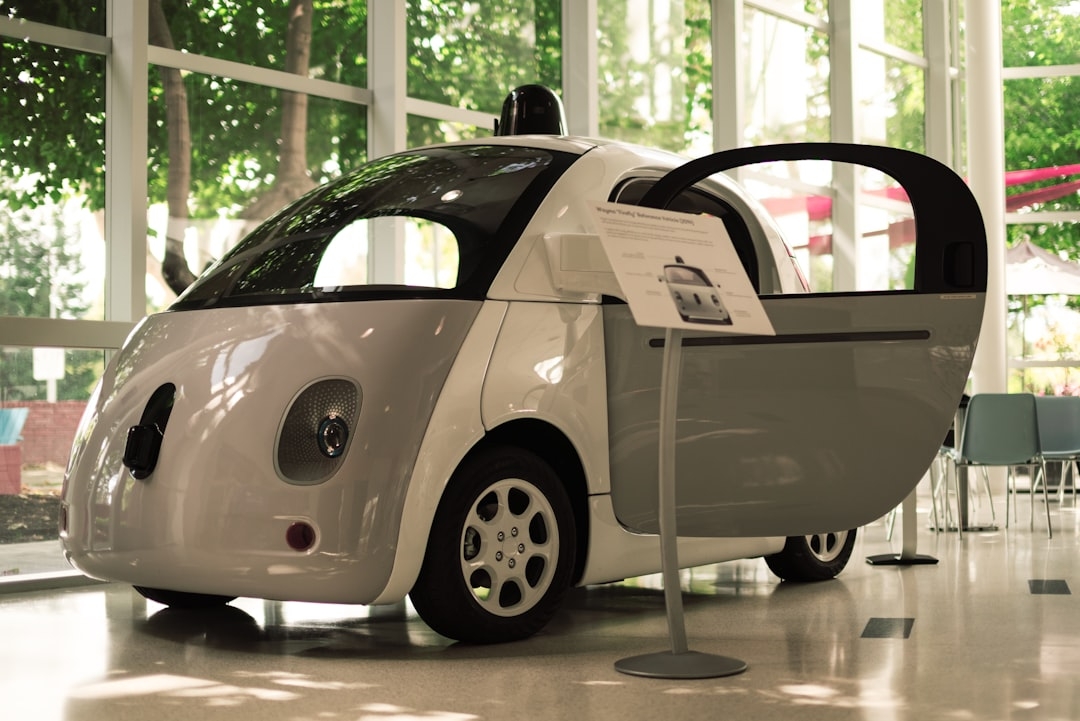
Waymo, a pioneer in autonomous vehicle technology, recently raised a significant $16 billion funding round, gaining a valuation of $126 billion. This capital influx is set to accelerate the company’s ambitions to expand its robotaxi fleet beyond the U.S. and into international markets.
The scale and valuation of this funding round underscore the growing interest and confidence investors have in the autonomous vehicle sector. As robotaxis become increasingly viable, understanding this development is crucial for those evaluating the future of transportation.
How Does Waymo Plan to Scale Its Robotaxi Fleet Internationally?
Waymo's fresh capital injection, led by Dragoneer Investment Group, DST Global, and Sequoia Capital, is intended specifically for scaling their autonomous vehicle fleet. This means increasing the number of robotaxis on the road and integrating them into new cities and countries.
The challenge here is not just expanding the fleet but adapting to diverse traffic patterns, regulations, and infrastructure across different regions. Scaling internationally involves complex coordination with local governments, road safety authorities, and adapting autonomous systems to handle varying road behaviors.
What Is a Robotaxi and How Does It Work?
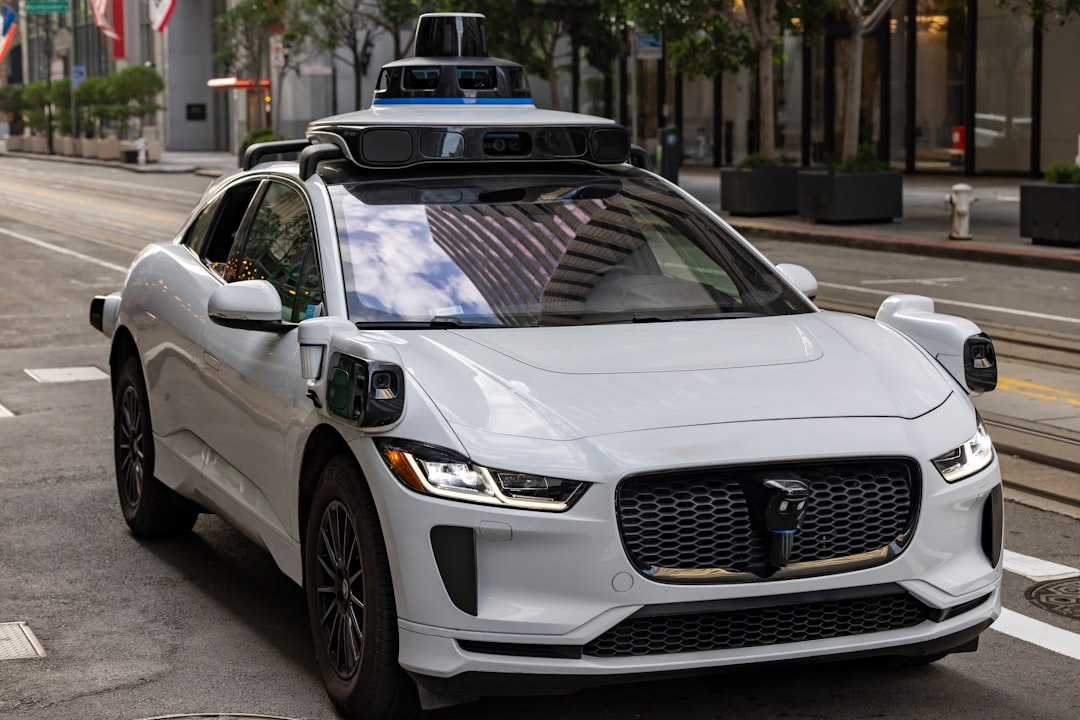
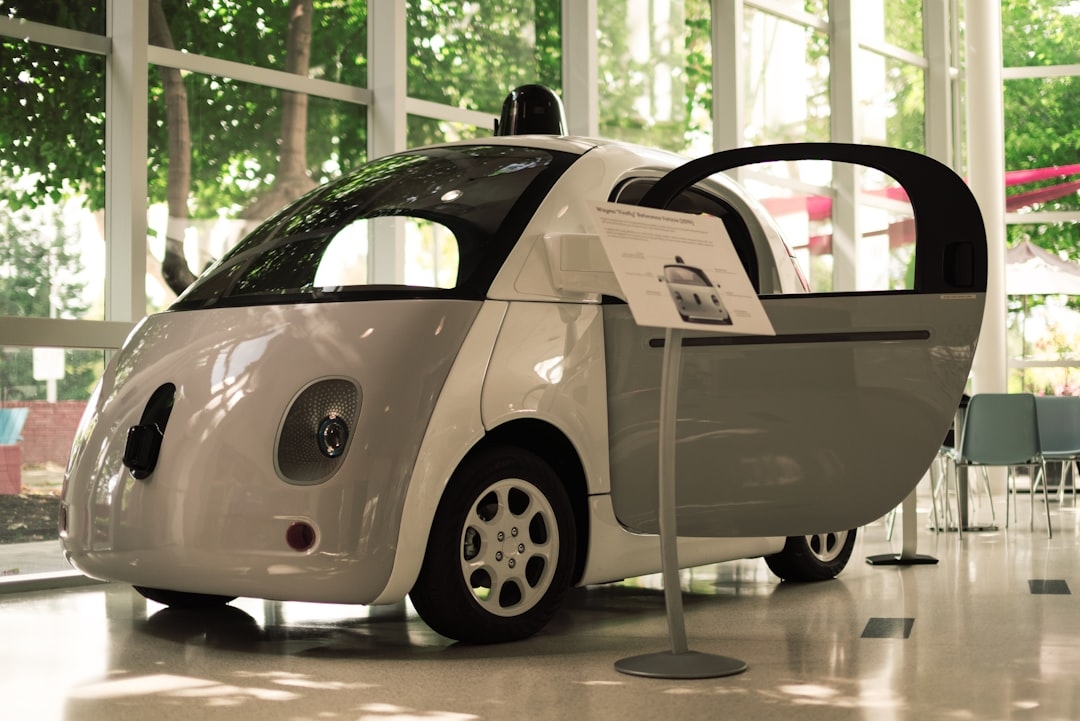
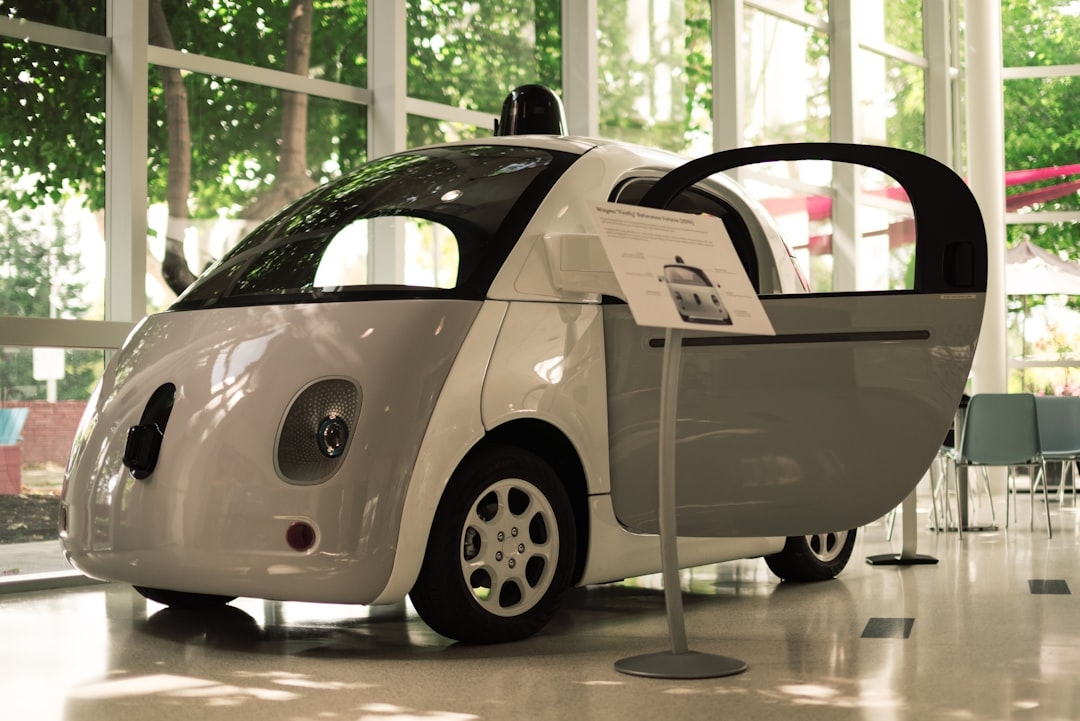
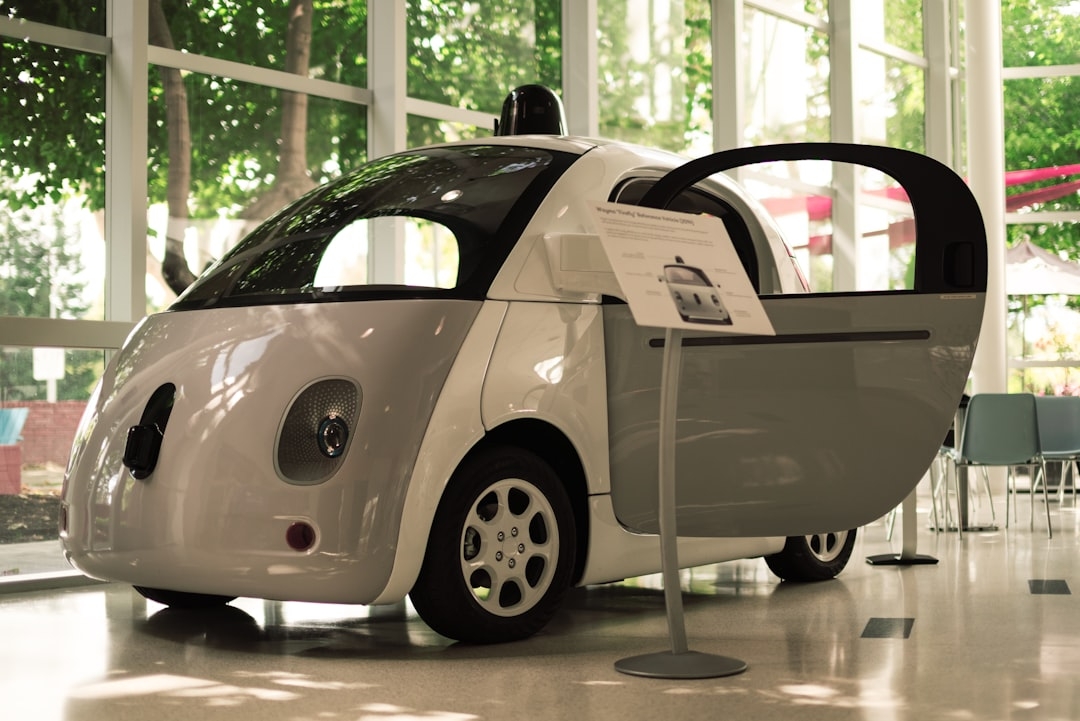
A robotaxi is a self-driving taxi that operates without a human driver. It uses a combination of sensors, cameras, radar, and specialized software to navigate roads, recognize traffic signals, detect obstacles, and transport passengers safely.
Waymo’s autonomous system is based on decades of data, sophisticated algorithms, and real-world testing. This allows it to perform in various urban environments, handling common driving challenges autonomously.
Why Does Raising $16 Billion Matter to Waymo’s Growth?
Raising such a large funding round is a clear signal that Waymo’s technology and business model have reached a stage where large-scale deployment is possible. Investors like Dragoneer Investment Group, DST Global, and the iconic venture firm Sequoia Capital back the company’s potential to become a leading global player.
Money of this magnitude allows for:
- Buying and outfitting thousands of vehicles with autonomous tech.
- Setting up service infrastructure in new countries, including operations, maintenance, and customer support.
- Expanding regulatory and safety efforts to comply with various international laws.
- Investing in advanced R&D to continually improve safety and efficiency.
However, this scaling effort comes with substantial risks such as geopolitical uncertainties, regulatory hurdles, and the complexity of operating autonomous systems across diverse environments.
What Have Been the Key Challenges in Scaling Robotaxi Fleets?
One major hurdle in robotaxi deployment is the reliability and safety of the autonomous systems in unpredictable real-world conditions. Adverse weather, complex traffic scenarios, road constructions, and human driver behaviors are hard to program around.
In past attempts by various companies, broad-scale robotaxi fleets faltered because technology that worked well in controlled zones struggled in broader urban settings. Managing the edge cases—rare but critical driving situations—remains a significant challenge.
Waymo’s approach, backed by extensive driving data collected over millions of miles, aims to mitigate these risks. Yet, international deployment often requires fresh adaptation, as driving cultures and regulations differ significantly.
How Are Investors Evaluating the Feasibility of Waymo’s International Expansion?
Investors look at several criteria when evaluating a company like Waymo:
- Technology maturity: How robust and adaptable is the self-driving software?
- Regulatory environment: Are local governments supportive or resistant?
- Market readiness: Is there demand for robotaxi services in the target region?
- Capital intensity: How efficiently can the company deploy new vehicles?
- Competitive landscape: Are there barriers from local competitors or alternative transport modes?
Funding from prominent firms suggests confidence in Waymo’s ability to address these factors, but real-world deployment will reveal the true feasibility.
What Does This Mean for the Future of Autonomous Transportation?
The $16 billion funding round and $126 billion valuation mark a watershed moment in autonomous mobility. Waymo’s success could pave the way for a new era where robotaxis are an everyday reality in many cities.
That said, the road ahead is far from smooth. Progress depends not just on technology but also on aligning with societal, regulatory, and operational realities. Waymo’s journey is a case study in balancing innovation with pragmatism.
Key Takeaways for Evaluating Robotaxi Growth Potential
- Large funding rounds provide crucial resources but don't guarantee immediate success.
- Scaling internationally magnifies technical and regulatory challenges.
- Real-world data and adaptive software systems are indispensable.
- Investor confidence is high, but cautious pragmatism is necessary.
- Successful robotaxi deployments require holistic ecosystems — from vehicles to policy to public acceptance.
Evaluation Framework: How Can You Assess Robotaxi Readiness in Your Context?
If you want to independently evaluate the feasibility of deploying or investing in robotaxi services, consider following this simple 10-20 minute checklist:
- Assess technology maturity: How many miles of autonomous driving data is available, and how diverse are the tested environments?
- Review local regulations: Are there clear policies supporting or restricting autonomous vehicles?
- Evaluate market demand: Is there sufficient customer interest or a gap in transportation services?
- Analyze operational readiness: Are there plans for vehicle maintenance, support staff, and infrastructure?
- Consider investment capacity: Is there sustainable financial backing for long-term deployment and growth?
This pragmatic approach helps separate hype from practical readiness, giving a clearer picture of whether robotaxi scaling is achievable in any given environment.
Waymo’s recent funding milestone is a powerful indicator of autonomous vehicle progress, yet it also exemplifies the complexity of moving from promising pilot projects to full-scale international services.
Technical Terms
Glossary terms mentioned in this article






Comments
Be the first to comment
Be the first to comment
Your opinions are valuable to us