
Imagine calling a car that drives itself from your doorstep to a major international airport—sounds like a futuristic convenience, right? This is exactly what Waymo, one of the leading companies in autonomous driving technology, is offering in San Francisco. Their robotaxi service now includes rides to and from San Francisco International Airport (SFO), aiming to ease travel hassles in a notoriously congested city.
But before we celebrate the arrival of self-driving taxis at SFO, it’s essential to take a closer look at what this service really means for passengers, the transportation ecosystem, and the technology's practical readiness.
How Does Waymo’s Robotaxi Service Work at San Francisco International Airport?
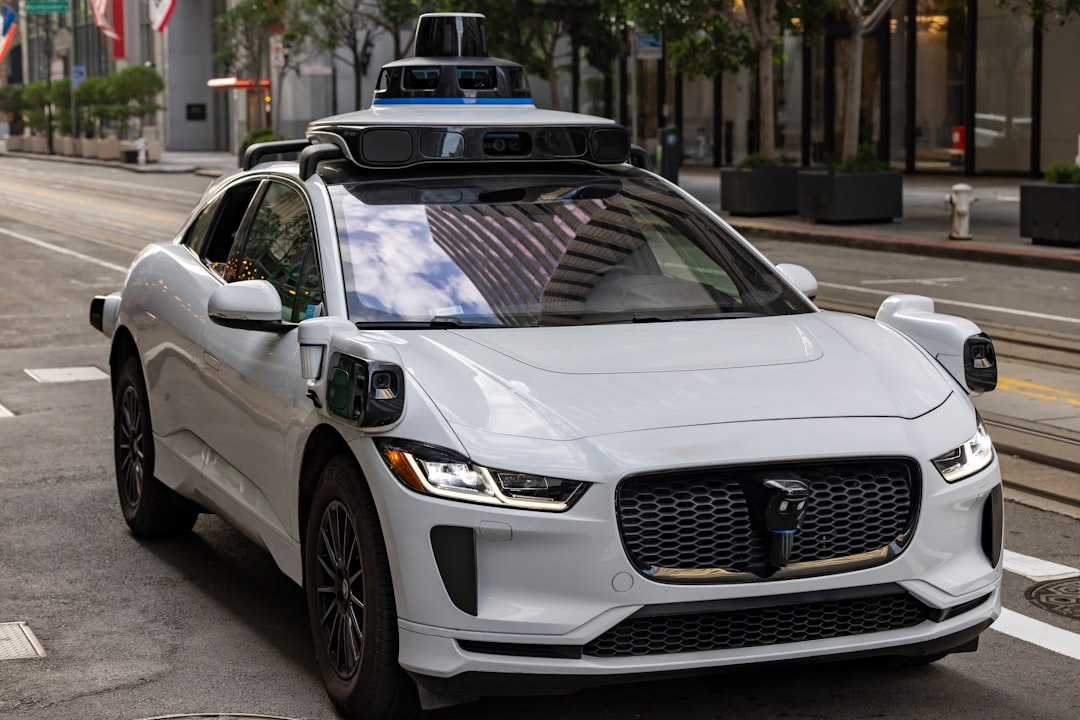
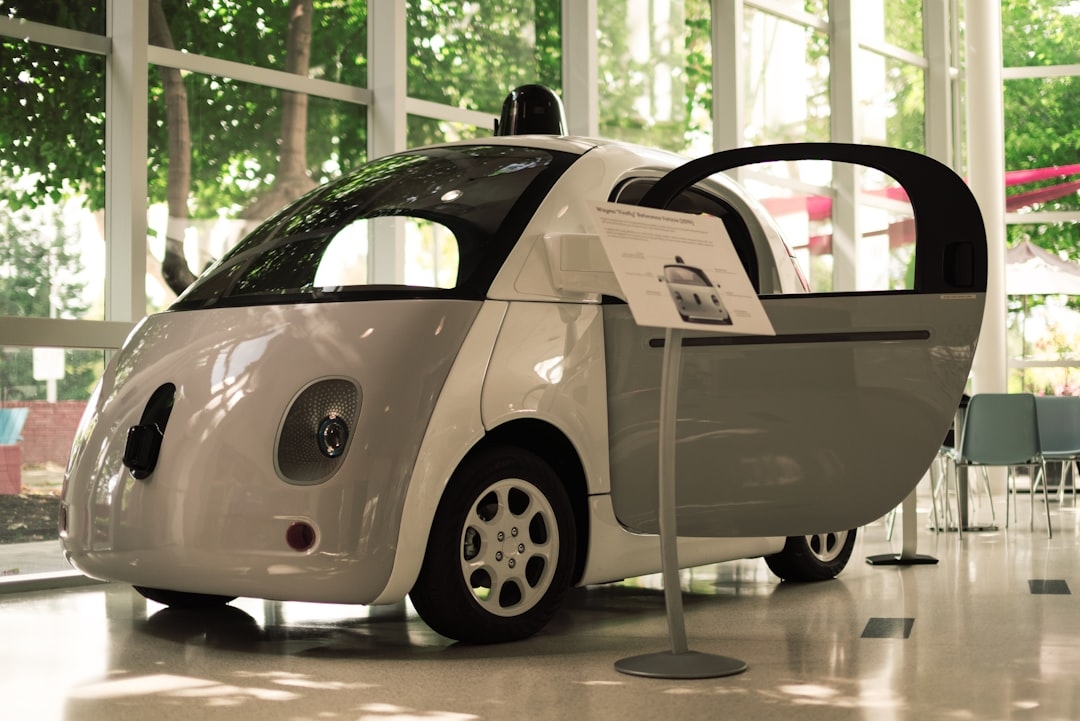
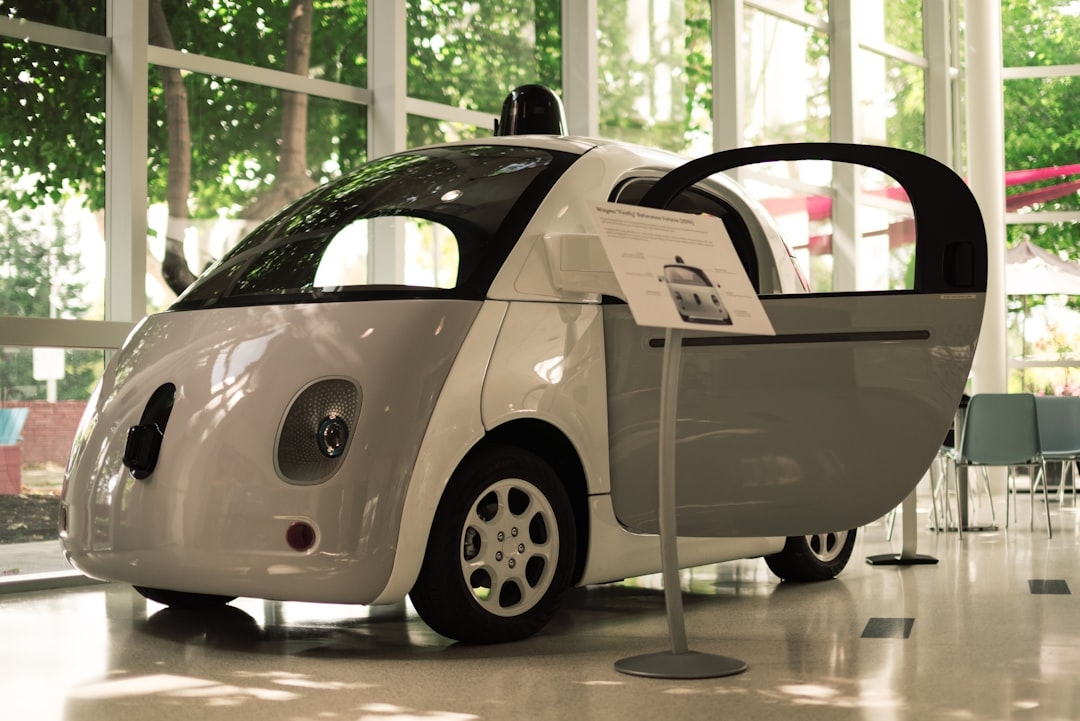
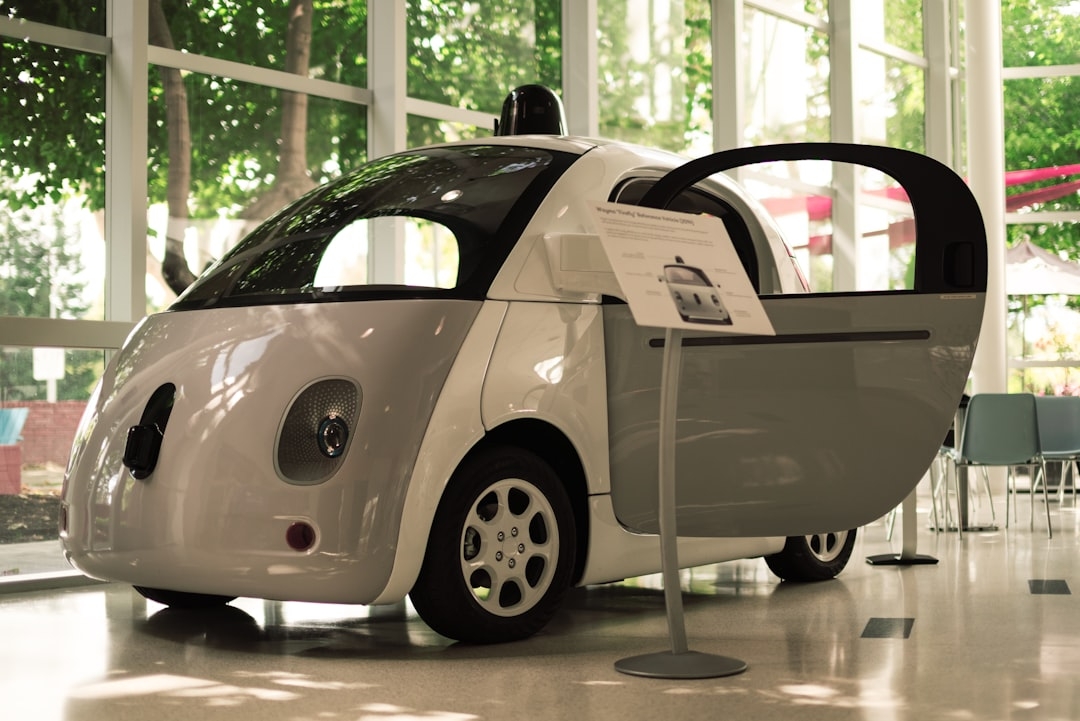
Waymo's robotaxi system uses a fleet of autonomous vehicles equipped with an array of sensors including lidar, radar, and cameras to navigate complex urban environments without human intervention.
At San Francisco International Airport, passengers can request a ride using the Waymo app, which integrates the airport zone into its operational area. These vehicles handle pick-up and drop-off points at the airport terminals, managing both passenger boarding and departing transfers.
Autonomous driving here means the car’s computer processes real-time data to detect obstacles, interpret traffic signals, and safely navigate roads. While the technology is highly developed, it still requires oversight—Waymo vehicles often have remote operators or safety drivers ready to intervene if needed.
When Should You Use a Waymo Robotaxi to and from SFO?
Using a robotaxi to or from SFO is suitable if you value the hands-free experience and want to avoid the hassle of parking or shuttle buses. The service addresses the frequent problem of high taxi or rideshare wait times that travelers face, especially during peak hours.
However, users should consider that the service currently covers limited geographical zones and may have variable availability depending on demand, time of day, and weather conditions. Sparse coverage outside the core operational area means that some destinations require transfers or alternatives.
Practical Considerations: Time, Cost, Risks, and Constraints
- Time: Wait times can fluctuate due to limited fleet size and operational constraints. Passengers in a hurry should factor in possible delays.
- Cost: Pricing is competitive with traditional rideshares but might be higher during off-peak promotions.
- Risks: Despite advanced safety systems, autonomous vehicles are not infallible. Mechanical glitches, sensor occlusions, or unexpected pedestrian actions can still pose challenges.
- Constraints: Waymo's service currently operates only within designated zones and is subject to regulatory approvals that could limit expansion.
How Reliable Are Waymo Robotaxis in Real-World Airport Settings?
From on-the-ground observations, Waymo’s robotaxis perform impressively well in controlled areas like airport zones. They manage complex traffic, pedestrian crossings, and frequent stops efficiently. However, challenges appear when unpredictable scenarios arise—a construction detour or a rare traffic obstruction could cause delays or temporary human takeover.
The technology is robust but not perfect, meaning travelers should remain flexible and not rely solely on robotaxis for crucial timing needs.
Technical Explanation: What Makes Autonomous Navigation Possible?
Waymo vehicles utilize lidar, a laser-based sensor that creates 3D maps of the environment, helping the vehicle understand nearby shapes and distances instantly. Combined with radar for speed and object detection, plus cameras for visual recognition, the system fuses all this data in real time to 'see' and interpret the world much like a human driver.
A central computer runs sophisticated algorithms that predict movement patterns—like a pedestrian stepping into the street—and plans the vehicle’s path accordingly, aiming to maintain safety and smooth traffic flow.
Is the Waymo Robotaxi Service Worth Trying for Airport Transfers?
The answer depends on your priorities. If you are curious and open to adopting new technology, Waymo’s service offers a glimpse into future urban mobility with the convenience of fully autonomous rides. It reduces the stress of driving or hailing a traditional taxi and offers a glimpse of the next-generation transportation system.
On the other hand, if your travel depends on strict timing, or if you’re traveling during off hours when autonomous vehicles might be scarce, it’s wise to have backup transportation plans. The service is not yet flawless nor universally available.
What Does This Mean for the Future of Airport Transportation?
Waymo’s expansion to airport transfers reflects a broader trend towards increased automation in transportation. It challenges assumptions about personal car ownership, and traditional ride-hailing demand—but there are clear trade-offs. Limited service areas, technology maturity, and regulatory hurdles slow adoption.
Still, seeing robotaxis in major hubs like SFO pushes the envelope of public acceptance and practical deployment, signaling gradual but steady progress.
Conclusion: How to Evaluate if a Waymo Robotaxi Fits Your Travel Needs
When considering Waymo’s robotaxi for airport rides, weigh the following:
- Do you prioritize innovation and convenience over potential delays?
- Is your itinerary flexible enough to manage variability in pick-up times?
- Are you comfortable using apps linked exclusively with Waymo’s service area?
If you answer yes, this autonomous option can be a smooth, futuristic alternative. If not, traditional transportation remains reliable for now.
Ultimately, Waymo at SFO is a living experiment exposing the balance between cutting-edge technology and real-world complexity.
Practical Action: Evaluate Autonomous Ride Feasibility in 15 Minutes
To decide if autonomous airport rides fit your situation, try this quick checklist:
- Check if your home and destination are within Waymo’s service zones.
- Compare estimated wait times and ride costs with standard rideshare options.
- Review user reviews for recent experiences, noting issues like delays or safety interventions.
- Consider flexibility in your schedule to accommodate possible variances.
Using this approach, you can make an informed choice before relying on robotaxis for critical travel occasions.
Technical Terms
Glossary terms mentioned in this article





Comments
Be the first to comment
Be the first to comment
Your opinions are valuable to us