
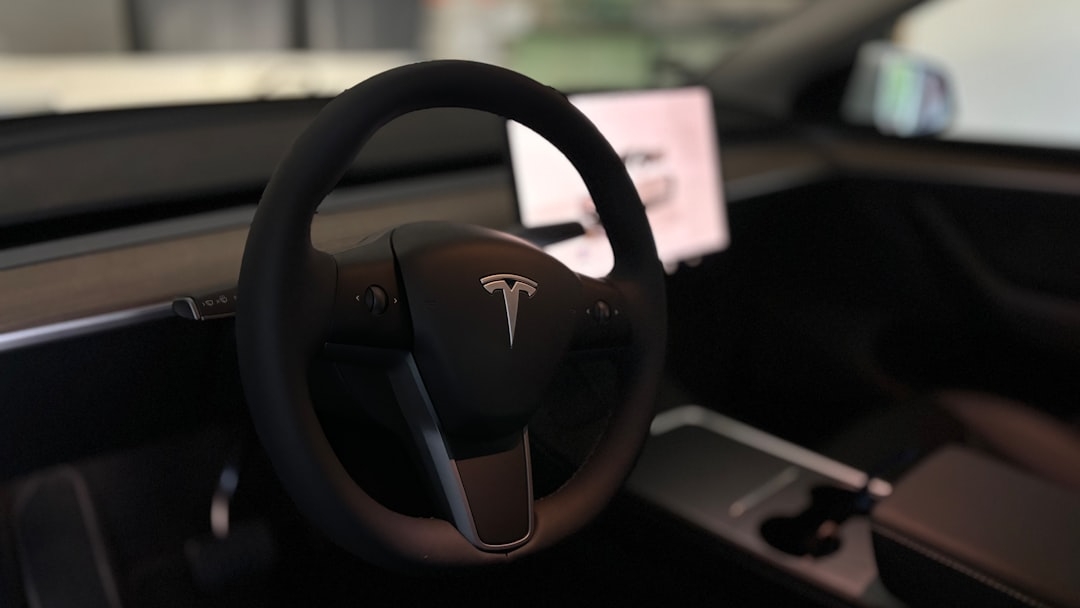
Tesla's recent move to discontinue its basic driver-assistance system, known as Autopilot, has led to regulatory scrutiny in California, where the company narrowly avoided a 30-day suspension. This development highlights the complexities involved when a major automaker alters key safety features, especially in a landscape where advanced driver-assistance technologies are evolving rapidly.
The significance of this issue stretches beyond Tesla. It challenges assumptions about the seamless integration of automated systems in vehicles and the regulatory frameworks designed to oversee them. Understanding the implications of Tesla's decision is key to assessing the current state and future of automotive safety technology.
What Led to Tesla's Suspension Risk in California?
In the past, Tesla provided its customers with Autopilot as a fundamental driver-assistance feature designed to help with steering, acceleration, and braking under certain conditions. However, in a move that surprised many, Tesla completely removed this basic feature from its California vehicles, opting to focus on Premium Full Self-Driving (FSD) packages instead.
California's Department of Motor Vehicles (DMV) responded by announcing a potential 30-day suspension of Tesla's dealership and repair licenses in the state. The reason was Tesla’s removal of Autopilot without providing clear replacement safety features, which raised concerns over compliance with regulations designed to protect drivers.
Fortunately for Tesla, after a thorough review, the company dodged this suspension. The DMV acknowledged Tesla's steps to address the issues and agreed the suspension was not immediately necessary, though the situation remains a cautionary tale for automakers operating under strict safety standards.
How Does Removing Autopilot Affect Tesla Drivers?
Removing Autopilot changes the baseline for what drivers can expect from Tesla vehicles in terms of automated assistance. Autopilot, while not a full self-driving system, offered basic automation that assisted with highway driving and traffic flow. Without it, drivers lose this safety net unless they upgrade to more advanced—and often more expensive—packages.
This shift also impacts driver experience and expectations. Many Tesla owners have become accustomed to some level of automation, so its removal requires adaptation. Drivers must rely more on manual control or invest in costly upgrades, which could influence purchasing decisions and brand loyalty.
What is Autopilot and why is it important?
Autopilot is Tesla's entry-level driver-assistance feature. It uses sensors, radar, and cameras to perform tasks like adaptive cruise control and lane-keeping. It's different from Tesla's Full Self-Driving (FSD), which aims to offer higher automation levels. Autopilot provides a foundation of convenience and safety, making driving less tiring on long trips.
Why Did Tesla Remove Autopilot?
Tesla's reasoning is partly strategic. By discontinuing the basic Autopilot, Tesla pushes customers toward the FSD package, which generates more revenue and promises greater autonomy. However, this also presents regulatory and safety challenges, as the absence of a standard assistance function raises questions about minimum safety requirements.
From a technical standpoint, managing multiple feature sets can complicate software updates and vehicle support. Simplifying offerings may streamline Tesla's software development cycles but at the cost of removing an accessible safety feature.
What Are the Practical Considerations for Tesla Owners?
For Tesla drivers and prospective buyers, several practical factors come into play:
- Cost: Without Autopilot included for free, the basic safety features become a paid upgrade, increasing overall ownership costs.
- Safety: Although FSD is more advanced, some drivers may prefer Autopilot's simpler, proven features rather than investing in unproven capabilities.
- Regulations: Drivers need to stay informed about local laws, as regulatory bodies may require certain assistance systems be available to meet safety standards.
- Adaptation: Users accustomed to Autopilot must adjust their driving habits or be ready to pay for the more costly options.
How Does Tesla's Situation Reflect Industry-Wide Challenges?
Tesla’s experience underscores the tension between innovation and regulation in the driver-assistance sector. Regulators want to ensure safety, while automakers aim to innovate and monetize emerging technologies swiftly.
It also reveals that assumptions about the maturity and reliability of automation can be overstated. Removing a basic feature like Autopilot signals that even industry-leading companies must carefully balance technology deployment and compliance.
When Should Automakers Consider Removing or Altering Driver-Assist Features?
Automakers should weigh risks such as regulatory backlash, customer dissatisfaction, and safety implications before discontinuing widely used features. Transparency with regulators and customers is critical, along with clear timelines and replacement solutions to avoid disruptions.
Summary and Next Steps
Tesla’s avoidance of a 30-day suspension in California after removing its Autopilot system is a notable example of the challenges regulators and automakers face in this rapidly evolving field. It highlights that removing a key driver-assistance feature carries both regulatory and user impact risks.
For drivers, it's essential to evaluate the changes carefully: consider the costs, safety trade-offs, and personal driving needs before deciding whether to upgrade or adjust. For industry watchers, Tesla’s case offers a clear lens on balancing innovation with regulatory requirements.
Practical evaluation framework: Within 20 minutes, Tesla owners and prospective buyers should consider these questions:
- What driver-assistance features does my vehicle currently have?
- How would removing or upgrading these features affect my driving safety and convenience?
- What are the regulatory obligations related to these systems in my area?
- Am I willing and able to pay for upgraded systems like Full Self-Driving?
Answering these will help determine if the new Tesla approach aligns with personal safety preferences and budgets.
Technical Terms
Glossary terms mentioned in this article


Comments
Be the first to comment
Be the first to comment
Your opinions are valuable to us