
The electric vehicle (EV) industry is evolving rapidly, with manufacturers continuously updating their product lines to meet changing customer demands and technological advances. Recently, Tesla CEO Elon Musk announced a decisive move: the company will cease production of its pioneering models, the Model S and Model X, by the second quarter of 2026.
This decision highlights Tesla’s strategic shift toward newer designs and technologies. The Model S and Model X, launched over a decade ago, were instrumental in shaping the EV market, setting performance and luxury benchmarks. However, with new competitors and Tesla’s own evolving lineup, discontinuing these models marks a significant milestone for the company and the EV industry.
Why Is Tesla Killing Off the Model S and Model X?
Both the Model S and Model X helped establish Tesla's reputation as a leader in EV innovation. But as Musk explained, these models will stop production in Q2 2026 to make way for newer vehicles that better align with Tesla’s future goals.
The Model S sedan debuted in 2012, followed by the Model X SUV in 2015. These vehicles were groundbreaking for their performance, range, and safety features. They introduced technologies like long-range battery packs, autopilot capabilities, and distinctive design elements such as the falcon-wing doors on the Model X.
Despite their early success, these models now face challenges:
- Production Complexity: The intricate designs and premium features increase manufacturing complexity and costs.
- Market Demand Shift: Consumer preferences have shifted towards more affordable models like the Model 3 and Model Y, which have seen growing sales.
- Technological Advancements: Tesla aims to integrate new battery technology, improved manufacturing processes, and updated designs that don’t align with the older Model S/X platforms.
How Will This Affect Current and Prospective Model S and Model X Owners?
Current owners of the Model S and Model X will still receive support for maintenance and software updates, as Tesla typically sustains service for older models for several years after production ends. However, the discontinuation means that new purchases of these vehicles will no longer be possible after mid-2026.
For buyers considering a Model S or Model X, this announcement signals a limited remaining window. Prospective owners might want to evaluate newer Tesla models or alternatives that promise modern features and potential cost savings.
What Are Tesla’s Alternatives?
Tesla’s current lineup emphasizes the Model 3 and Model Y, which have gained popularity due to:
- More competitive pricing
- Simplified manufacturing
- Strong driving range and performance
- Versatile designs suited for everyday use
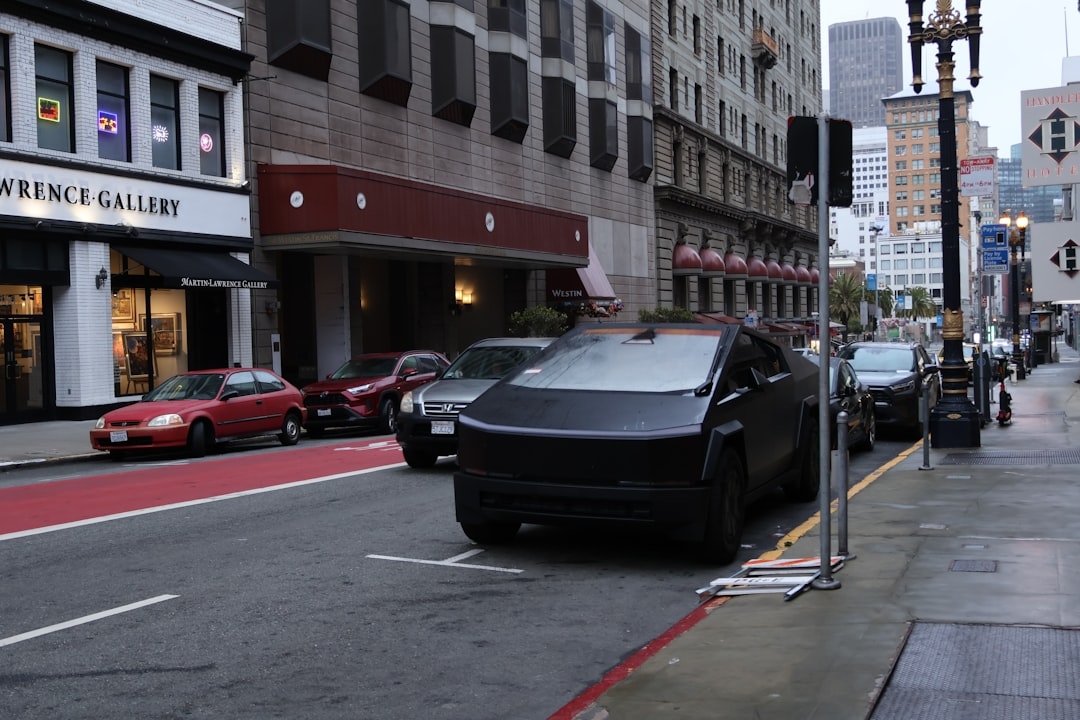
Moreover, Tesla has teased upcoming models, including the Cybertruck and a rumored next-generation sedan, that could replace the roles the Model S and Model X once held.
When Should You Consider Not Choosing Model S or Model X?
While the Model S and Model X remain impressive vehicles, there are situations where they may not be the best choice today:
- Budget Constraints: Their premium pricing makes them less accessible compared to other electric models.
- Desire for Latest Technology: Future Tesla models will likely include newer battery tech, faster charging, and updated software features the older platforms don’t fully support.
- Environmental Considerations: Newer models with streamlined manufacturing potentially have a smaller carbon footprint.
What Has Tesla Learned From These Models?
The Model S and Model X provided Tesla valuable lessons in performance tuning, battery management, and autonomous driving integration. However, they also revealed the trade-offs between complex luxury features and efficient mass production. Balancing innovation with scalability remains a core focus for Tesla today.
Is This the End of the Road For Tesla’s Flagship EVs?
Not entirely. While production of the current Model S and Model X will stop, Tesla’s vision includes continually evolving its flagship offerings. The company’s plans hint at fresh designs and improved battery technology that may redefine what flagship electric vehicles can be.
What Can You Do If You Want to Explore Tesla’s EV Options?
If you consider purchasing an electric vehicle or updating your Tesla, here’s a simple test to understand the shift in Tesla’s lineup: Spend 10-30 minutes comparing specs, price, and features of the Model 3 and Model Y with the current Model S and Model X on Tesla’s official website. Note the trade-offs in driving range, performance, and price to determine which fits your needs best.
This practical comparison will give insight into why Tesla is prioritizing newer models and how the evolution of EVs affects consumers directly.
Technical Terms
Glossary terms mentioned in this article





Comments
Be the first to comment
Be the first to comment
Your opinions are valuable to us