
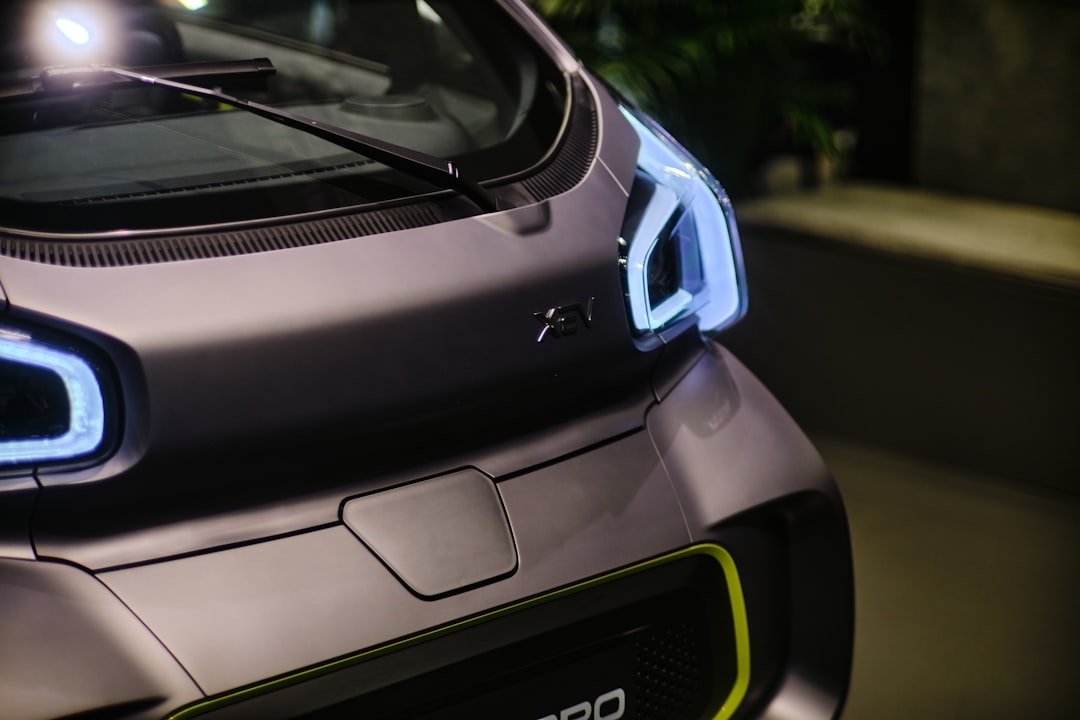
Imagine pulling into a charging station and topping up your electric vehicle (EV) battery in just five minutes — about the same time as grabbing a coffee. This is the promise made by BYD, the Chinese automaker, with its new Blade Battery 2.0 that supports an astonishing 1.5-megawatt flash charging speed. Having observed EV charging challenges firsthand, I was eager to see how this innovation addresses the long wait times drivers commonly face.
Reducing charging time to just a few minutes mathematically solves a major hurdle for EV adoption. Yet, as with many cutting-edge technologies, the rapid charge comes with caveats that affect practicality and battery longevity.
How Does BYD’s Blade Battery 2.0 Achieve 5-Minute Charging?
The new Blade Battery 2.0 is designed to handle ultra-high charging power — up to 1.5 megawatts (MW). To put that in perspective, most current fast chargers operate at 50 to 350 kilowatts (kW), which already requires 20 to 45 minutes to recharge fully. BYD’s battery jumps this by over four times, enabling a charge from zero to full in around five minutes.
Technical Explanation: The term megawatt (MW) refers to one million watts of electrical power. Charging at 1.5 MW means more electricity flows into the battery at once, dramatically cutting charge times.
Achieving this speed isn't just about pushing more electricity; it requires a unique battery chemistry and advanced thermal management. The Blade Battery 2.0 is structured for heat dissipation to prevent overheating during such intense charging, reducing risks of damage or fire.
What Are the Trade-Offs of Flash Charging at 1.5 MW?
While 5-minute charging sounds revolutionary, there are practical trade-offs that BYD and users must navigate:
- Infrastructure Challenge: Delivering 1.5 MW to a vehicle demands highly specialized hardware and power grids capable of sustaining such loads without disruptions.
- Battery Degradation: Rapid charging generates heat and stress inside battery cells, which can shorten the overall battery lifespan despite advanced cooling measures.
- Limited Availability: Such ultra-fast chargers are currently rare and expensive, limiting real-world usage despite the battery’s capabilities.
For drivers or fleet operators, this means while charging time shrinks, costs and maintenance complexity may rise.
When Should EV Owners Consider Batteries with 5-Minute Flash Charging?
Not every EV user needs the fastest possible charge. Here are instances where BYD’s Blade Battery 2.0 could be a strong fit:
- Commercial Fleets: Vehicles requiring quick turnarounds, like taxis or delivery vans, benefit most from rapid charging to keep operations smooth.
- Long-Distance Travel: Fast charging points on highways drastically reduce downtime during road trips compared to traditional stations.
- Urban Drivers with Access to High-Power Stations: Those who can access specialized chargers can charge rapidly instead of overnight plugging.
Conversely, everyday city commuters with predictable routes might prioritize battery longevity and lower-cost charging setups over ultra-fast fills.
How Does BYD’s Flash Charging Compare in Real-World Scenarios?
Consider three scenarios to understand how this technology scales:
Scenario 1: City Commuter
A driver charges overnight at home, mostly using slow charging to protect battery life. Here, 5-minute flash charging is a luxury with minimal benefit since daily mileage is low and routine allows for slower charging.
Scenario 2: Long-Distance Road Trippers
For a family traveling 400 miles, a five-minute charge during a highway stop is a game-changer compared to a 40-minute fast charge. However, the scarcity of 1.5 MW chargers along routes can limit practical use today.
Scenario 3: Taxi or Delivery Fleet
In commercial use, minimizing downtime is critical. Access to ultra-fast chargers compatible with BYD’s Blade Battery 2.0 could increase vehicle availability and fleet utilization dramatically — saving costs and improving service.
Is Ultra-Fast EV Charging Overrated?
Common belief suggests faster is always better, but real-world experience challenges this. Rapid charging inevitably strains battery chemistry, which leads to:
- Accelerated wear and capacity loss
- Increased demand for advanced thermal management
- High upfront and operational infrastructure costs
In contrast, moderate-speed charging strikes a balance by preserving battery health and offering sufficient convenience for many users.
What Are Hybrid Charging Solutions That Balance Speed and Battery Longevity?
Hybrid approaches suggest combining:
- Slow home or workplace charging for daily needs
- Moderate fast charging for occasional longer drives
- Use of ultra-fast charging strategically for emergencies or business-critical operations
Such flexible use protects battery life while offering the benefits of speed when necessary.
BYD’s Blade Battery 2.0 is a strong step forward but must be integrated thoughtfully into an EV charging ecosystem.
Next Steps: How to Test and Validate Ultra-Fast Charging Benefits in Your Fleet or Vehicle
If you operate EVs or are interested in adopting the Blade Battery 2.0, here is a simple, practical exercise to evaluate real-world impact:
- Identify access points with ultra-fast chargers (1 MW or above) near your routes or facility.
- Conduct controlled charging sessions at varying power levels (slow, medium, and ultra-fast) to observe charge time and battery temperature changes.
- Document any noticeable impacts on battery range and charging consistency across multiple cycles.
- Compare logistical needs such as downtime reduction versus increased charging infrastructure investment.
- Based on observations, decide what charging strategy fits best balancing speed, cost, and battery health.
This hands-on trial will give you actionable insights into whether investing in BYD’s flash charging technology aligns with your use case.
Ultimately, BYD’s Blade Battery 2.0 highlights how pushing the boundaries of EV charging speed is possible, but adopting it requires awareness of the inherent compromises and contextual application.
Technical Terms
Glossary terms mentioned in this article













Comments
Be the first to comment
Be the first to comment
Your opinions are valuable to us