
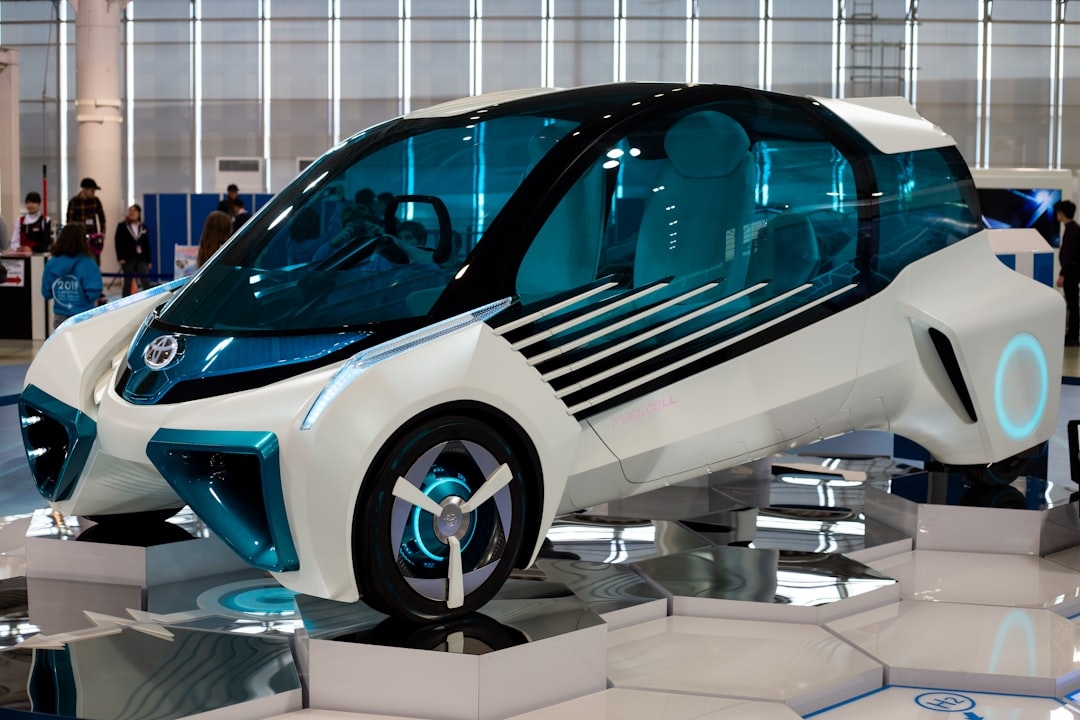
Imagine you are shopping for a new car, but suddenly, the price drops by nearly 90% simply because tariffs on imports have been slashed. This is what’s happening in the Canadian electric vehicle (EV) market, where import taxes on Chinese EVs have drastically fallen from a staggering 100% to a mere 6.1%. This change isn’t just a minor adjustment; it’s a seismic shift that brings Chinese EVs significantly closer to North American consumers, potentially reshaping the competitive landscape of the automotive industry.
Understanding tariffs is key here. A tariff is a tax imposed on imported goods, typically making foreign products more expensive to protect local industries. In Canada's case, heavy tariffs on Chinese electric cars essentially blocked many Chinese EV brands from competing on price. Cutting these tariffs opens a new avenue for the influx of affordable electric cars, which could also affect neighboring markets like the United States.
What is driving Canada’s decision to slash EV tariffs?
Canada’s government decided to reduce the import tax from 100% down to 6.1%, with an initial annual cap on imports set at 49,000 cars. This policy move aims to boost the adoption of electric vehicles by making them more affordable and diverse in choice.
The tariff cut encourages competition by leveling the playing field for Chinese EV manufacturers who have gained technological expertise and mass production capabilities. These companies can now penetrate a market long dominated by local and established non-Chinese manufacturers without the previous price barrier imposed by heavy tariffs.
How does this tariff reduction affect the Canadian and US EV markets?
The direct impact is clear for Canada — potential buyers will see more affordable EV options from Chinese brands, which are often priced competitively due to lower manufacturing costs and high production volumes. With tariffs slashed, the overall price tag for consumers moves closer to that of comparable domestic or Western-made EVs.
For the US market, this move indirectly signals that Chinese EVs might enter the American market with more ease and competitive prices soon. Although the US still maintains its own tariffs and trade restrictions, Canada now acts as a gateway or testing ground where Chinese EVs can gain market share and consumer trust.
Why should buyers care about these tariff changes?
If you’re a consumer, this means more variety and potentially lower prices on electric vehicles. Chinese manufacturers are known for aggressively pricing their cars while integrating advanced technology, such as large batteries and semi-autonomous driving features, often at a lower cost.
However, buyers should be mindful of trade-offs such as:
- After-sales service and availability: Chinese EV brands might have fewer service centers in Canada initially.
- Battery warranty and lifespan: Understanding the technical specs is essential; battery quality can vary widely.
- Resale value: This might be unpredictable given brand recognition and market acceptance.
How does importing Chinese EVs work with the new tariff limits?
The Canadian government has set an annual cap of 49,000 imported Chinese EVs to manage the influx carefully. This cap ensures the domestic market isn’t overwhelmed suddenly, maintaining balance and protecting the local automotive sector while opening the door to more competition.
Think of it like a gate that allows a fixed number of cars in per year — enough to offer choices and competitive pricing, but limited enough to avoid market disruption.
What technical terms should consumers understand?
- Tariff: A tax on imported goods, increasing their price to protect domestic producers.
- EV (Electric Vehicle): Cars powered fully or partially by electricity rather than fuel.
- Annual cap: The maximum quantity allowed under the tariff reduction policy in a year.
- Battery warranty: The guarantee covering battery performance and health over time.
What are the potential challenges and risks with this policy?
While tariff reduction boosts imports, it also presents risks like:
- Market saturation if demand is misestimated.
- Pressure on local dealers to compete with lower-priced imports.
- Potential trade tensions if other markets feel undercut.
Not every low price is a good deal; some Chinese EV models have faced issues with software updates and after-sales support. Buyers should consider these aspects carefully before purchasing.
How should consumers decide if a Chinese EV suits their needs now?
Here’s a simple checklist to evaluate options in this evolving market:
- Compare prices including all taxes and import fees.
- Check the availability of local service and warranty terms.
- Look for battery capacity and charging infrastructure compatibility.
- Research real customer reviews on reliability and support.
- Consider total cost of ownership, including insurance and resale potential.
What does this tariff cut mean for the future of electric vehicles in North America?
This shift by Canada could serve as a catalyst for reducing prices and expanding consumer choices across the continent. If Chinese EVs gain acceptance in Canada with positive experiences, US policies might soften or adjust, further enabling these vehicles to enter the market.
However, it’s critical not to overestimate the immediate impact. Infrastructure readiness, consumer trust, and long-term support will shape this evolution as much as price changes do.
The tariff cut isn’t a silver bullet but a pragmatic step toward a more competitive and diverse EV marketplace in North America.
What’s the takeaway for consumers and industry watchers?
Tariff adjustments alter the economics of EV ownership by reducing upfront costs and increasing model availability. Buyers need to weigh familiar brands against emerging players, focusing on service, warranty, and performance rather than price alone.
Policy-wise, the approach offers a controlled experiment in market liberalization—balancing protectionism with innovation, much like tuning a mayor system to avoid shocks while nurturing growth.
Decision matrix for buyers:
- Identify your primary need: price, range, features, or brand trust.
- Evaluate local dealer support versus cost savings on imports.
- Check compatibility with charging infrastructure nearby.
- Assess long-term maintenance costs versus upfront savings.
- Prioritize battery warranty and review actual customer feedback.
Spending 15-25 minutes completing this checklist can help any prospective EV owner make a well-informed choice that fits both their budget and daily requirements.
Technical Terms
Glossary terms mentioned in this article











Comments
Be the first to comment
Be the first to comment
Your opinions are valuable to us