
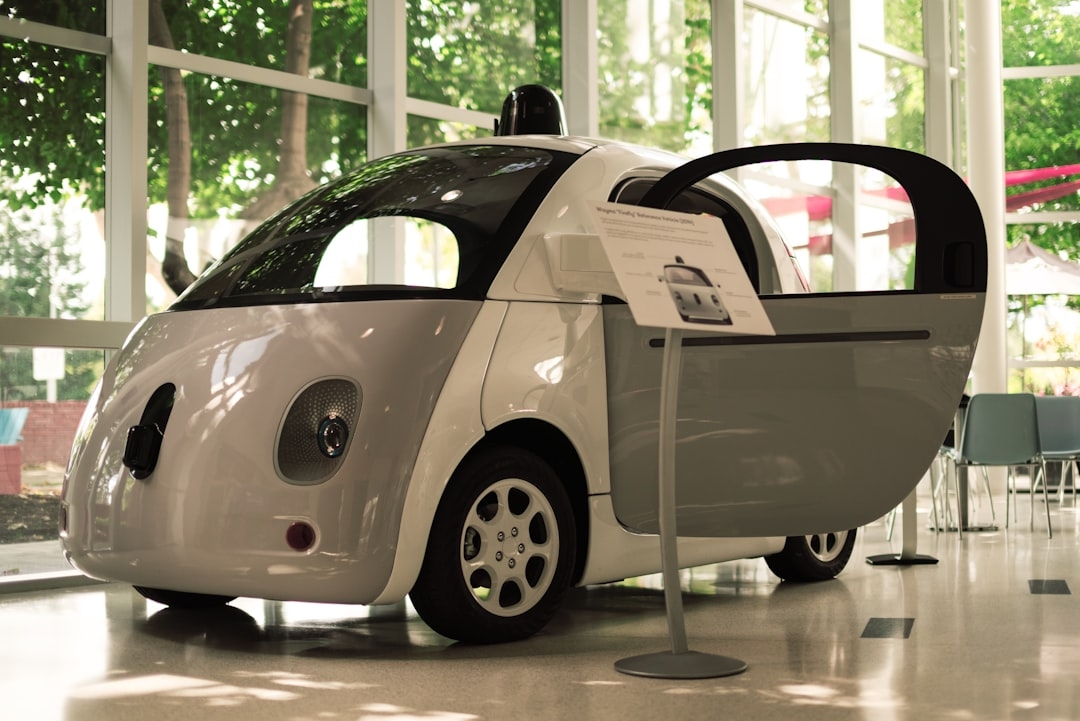
Imagine stepping into a fully autonomous taxi to get across a busy city without worrying about traffic or parking. This is the promise that robotaxis have held for years. Recently, a significant update came from Waymo, one of the leading companies in autonomous driving technology. Waymo is rebranding its Zeekr robotaxi, a move that signals both a strategic shift and a refined approach to its vehicle lineup.
This rebranding is not just a new name or logo; it reflects changes in branding, market positioning, and potentially the technology integration of the robotaxi. Understanding why this matters can help you see the bigger picture in autonomous vehicle development and what it means for urban mobility.
What Exactly Is Waymo's Zeekr Robotaxi?
To appreciate the rebranding, it helps to know what Zeekr robotaxi is. Zeekr is a premium electric vehicle brand, originally developed by the Geely Holding Group. Waymo partnered with Zeekr to deploy robotaxis equipped with Waymo’s autonomous driving system. These robotaxis combine electric vehicle technology with advanced self-driving software, enabling fully autonomous rides in designated areas.
Zeekr robotaxis are part of Waymo’s effort to expand its autonomous ride-hailing service, known as Waymo One. The partnership allows Waymo to leverage Zeekr’s electric vehicle expertise, which aligns with broader sustainability goals. Zeekr’s sleek designs and electric drivetrains support the vision of a cleaner, smarter urban mobility future.
Why Is Waymo Rebranding the Zeekr Robotaxi?
Waymo’s rebranding of its Zeekr robotaxi serves several important purposes:
- Enhanced brand clarity: The original Zeekr brand is linked to its parent company Geely’s consumer lineup. By rebranding, Waymo aims to establish a clearer identity focused solely on autonomous ride service.
- Market differentiation: The rebranded robotaxi is intended to stand apart from traditional electric vehicles and from other autonomous offerings, emphasizing cutting-edge self-driving capabilities.
- Strategic alignment: As Waymo continues to expand its autonomous fleet, it’s crucial to unify vehicle branding under Waymo’s direct control, helping customers associate the service experience strongly with the Waymo name.
In practical terms, rebranding might mean newer vehicle models, updates in the user interface or app experience, and more consistent marketing messaging. It aims to avoid confusion in a crowded market where autonomous offerings are increasing rapidly.
How Does This Impact Autonomous Ride Services?
The rebranding signals Waymo’s commitment to refining its product offering for customers. Waymo One riders can expect the same or improved levels of service but now with a clearer indication of vehicle capabilities and technology roots. For investors and industry watchers, it’s also a sign that Waymo is sharpening its business strategy around autonomy rather than just vehicle manufacturing.
How Does Waymo’s Approach Differ From Competitors?
Compared to other companies working on autonomous taxis, Waymo has historically focused heavily on software development, using a variety of partner vehicles for hardware. Their in-house autonomous tech is recognized for precision lidar sensors, sophisticated machine learning models, and safety-first design principles.
The partnership with Zeekr was a way to combine this expertise with an electric vehicle platform that matched Waymo’s sustainable goals. By rebranding, Waymo potentially signals more control over end-to-end vehicle design or a step towards fully custom robots exclusively designed for autonomy.
What Challenges Does This Move Address?
One challenge in autonomous vehicles is brand trust. Customers can get confused if a robotaxi is associated with a separate car brand they do not recognize. This sometimes leads to concerns about reliability and service consistency.
By aligning the robotaxi’s brand tightly with Waymo, the company hopes to build a stronger trust signal. Another challenge is fleet management and customer experience. A unified brand aids operational scaling and smoother software updates across vehicles.
When Should You Be Cautious About Robotaxi Rebranding?
Despite the excitement, rebranding can also come with drawbacks or limitations. Here are a few warnings:
- Service interruptions: Transition phases could cause temporary confusion or limited availability as vehicles are replaced or updated.
- Over-expectations: A new brand might imply revolutionary changes which may not immediately materialize in user experience or performance.
- Cost implications: Rebranding efforts can drive up costs, which might affect pricing strategies for consumers or partnerships.
It is essential to watch how the rebranded Zeekr robotaxi performs in live service and whether the customer experience truly reflects the brand promises.
What Does This Mean for the Future of Autonomous Mobility?
Waymo’s rebranding of Zeekr robotaxis reflects the rapid evolution in autonomous ride services. The focus is shifting toward clearer branding, improved vehicle integration, and scaling fleets efficiently. If successful, this move can accelerate user adoption by simplifying choice and enhancing trust in robotaxi systems.
It also hints that partnerships between autonomous driving software companies and vehicle manufacturers will grow more specialized, where autonomy tech providers take the lead in user-facing services while OEMs focus on electric vehicle quality and sustainability.
For you, the urban commuter or tech enthusiast, this means more confidently choosing autonomous rides that are not only safe but easy to recognize and trustworthy.
Try It Yourself: How to Experience the Change
If you want to understand the impact of Waymo’s rebranding firsthand, here’s a quick experiment:
- Locate the Waymo One app and check for vehicle branding or naming changes compared to older versions.
- If available in your city, schedule a ride and observe any differences in the vehicle design, app interface, or service communication.
- Note any changes in vehicle announcements, driverless service updates, or marketing messages.
This simple test will give you a practical sense of how rebranding affects the user experience and what to expect as autonomous ride-hailing continues to evolve.
Technical Terms
Glossary terms mentioned in this article








Comments
Be the first to comment
Be the first to comment
Your opinions are valuable to us