

Robots handling household chores have long been a dream of science fiction, but CES 2024 brought this closer to reality with LG’s newest robot, CLOi. Touted as a game-changer for laundry, CLOi claims to relieve users from the repetitive task of washing and drying clothes. But does it deliver on this promise, or is it more hype than help?
During the CES demonstration, I watched CLOi navigate through rinsed clothes and start the laundry process. Its sleek design and autonomous behavior caught my attention, but it also raised questions about the true value and usability of such a device for everyday consumers.
How Does CLOi Actually Work?
CLOi is LG’s latest venture into home robotics, designed to perform laundry chores such as sorting, loading, washing, and drying clothes. The robot integrates with LG’s smart appliances, communicating wirelessly to orchestrate steps from start to finish.
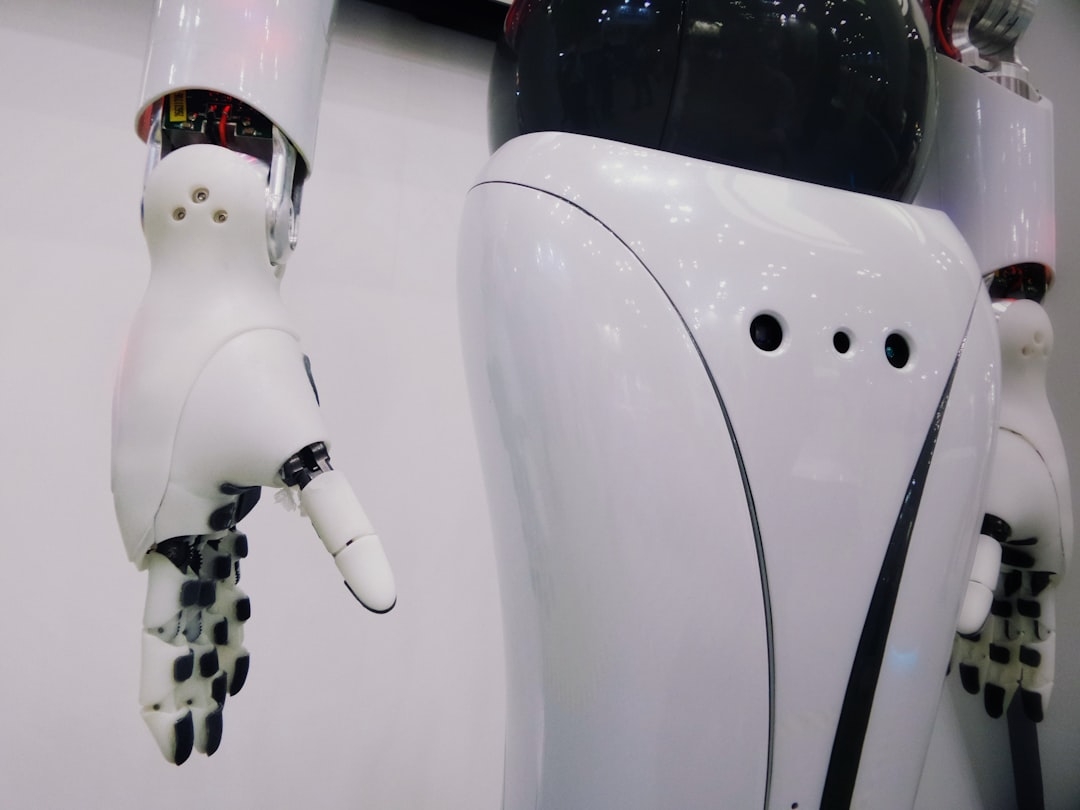
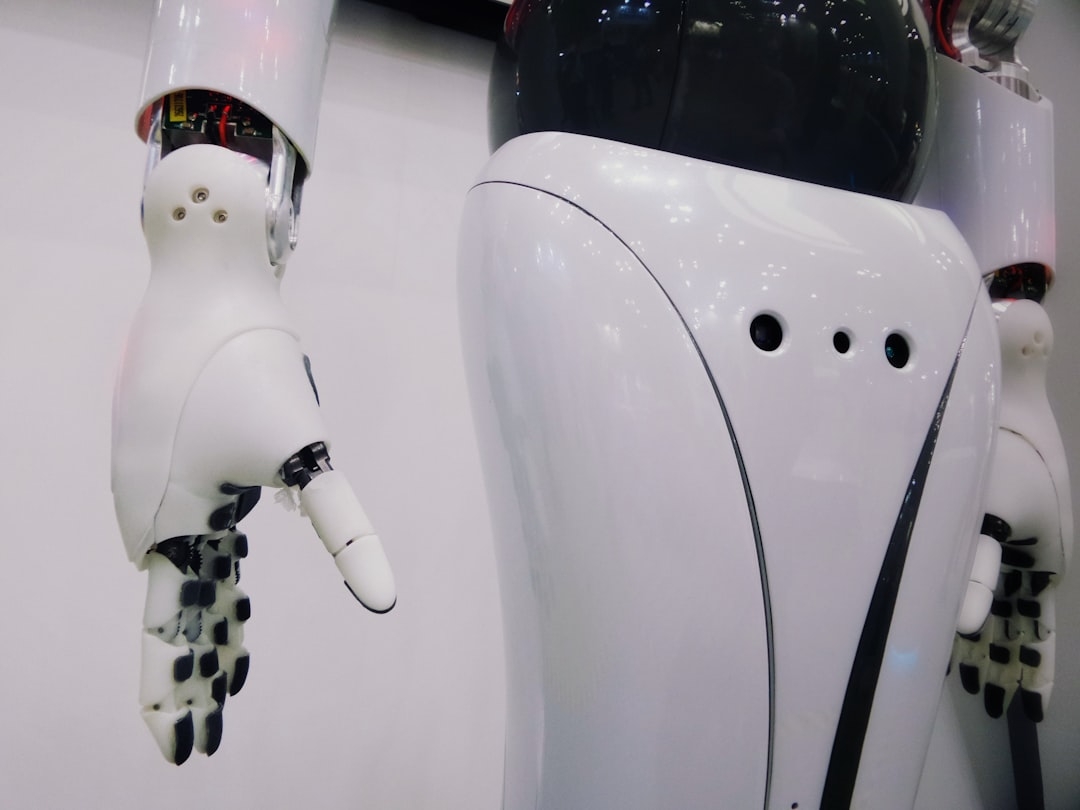
At a technical level, CLOi relies on machine learning algorithms to identify and sort fabrics, estimating appropriate wash cycles accordingly. It also uses robotic arms for handling clothes and an internal sensor suite to monitor laundry progress. This combination aims to reduce manual intervention.
However, the complexity of textiles and laundry habits means that CLOi has to navigate many subtle decisions humans usually handle effortlessly. In practice, this includes recognizing delicate fabrics versus heavy cotton, sorting colors properly, and adapting to different detergent needs.
What Are the Limitations of CLOi in Real-World Use?
Despite impressive demos, my firsthand observation revealed some constraints that users should consider before investing in CLOi.
- Limited adaptability: While CLOi managed basic sorting, it struggled with mixed loads containing delicate and standard fabrics. It occasionally misclassified items, leading to wash cycles that could risk damage.
- Dependency on LG appliances: CLOi’s full functionality depends on integration with specific LG washers and dryers, limiting its usefulness for households with mixed-brand machines.
- Setup and space requirements: The robot’s size and maneuvering constraints require ample space around laundry appliances. Smaller homes or crowded laundry rooms may pose practical challenges.
- Speed and efficiency: CLOi’s handling and loading times were noticeably slower than manual washing, especially for larger loads, which could impact daily routines.
When Should You Consider Using CLOi?
CLOi might appeal most to:
- Tech enthusiasts interested in smart home automation and willing to accept early-phase challenges.
- Users with mostly uniform laundry types who can benefit from consistent automated cycles.
- Busy households aiming to offload repetitive physical tasks, assuming they have compatible LG appliances and adequate space.
On the other hand, households with varied laundry needs, limited space, or mixed-brand machines might find CLOi less practical currently.
What Does CLOi’s Performance Reveal About Home Robotics?
The challenges observed with CLOi highlight broader trade-offs in home robotics. Unlike industrial robots operating in controlled environments, home robots face uncertain, diverse tasks that humans handle intuitively. Teaching a robot to manage delicate fabrics, stain treatments, and detergent types requires complex perception and decision making.
Analogous to software development, CLOi is still in the "beta" phase of home integration. Like any automation tool, it excels in specific, well-defined conditions but may falter when conditions vary. Thinking of CLOi as a productivity assistant rather than a full replacement for human judgment might be more realistic.
Can CLOi Replace Human Judgment in Laundry?
Not yet. CLOi’s current iteration automates physical actions but lacks nuanced understanding. For example, humans instinctively choose wash modes for sentimental garments or prioritize load order. CLOi doesn’t fully capture this discretionary intelligence.
This distinction is critical. Automation that handles rote tasks can free human time but cannot replace expertise and context awareness. Users should view CLOi as a tool complementing their routines rather than a complete solution.
Setting Your Own Evaluation Checklist for Home Robots Like CLOi
If considering CLOi or similar home robots, apply this rapid evaluation framework in 10-20 minutes:
- Does the robot support your existing appliances, or require replacement purchases?
- Can it handle the diversity and special cases in your laundry (fabrics, colors, detergents)?
- Is your laundry space large and clear enough to accommodate robotic movement?
- How does the robot’s operation time compare to manual handling?
- What support or intervention will you need when the robot encounters exceptions?
Answering these questions helps you assess practical fit beyond marketing promises.
LG’s CLOi is a promising step forward in home automation, but it also reveals the ongoing hurdles for robots adapting to human environments. Observing CLOi in action reminds us that automation gains come with trade-offs, especially in unpredictable household tasks.
Ultimately, CLOi may soon become a helpful assistant—but judging its value requires critical appraisal of your unique needs and environment.
Technical Terms
Glossary terms mentioned in this article










Comments
Be the first to comment
Be the first to comment
Your opinions are valuable to us