
CES 2026 marked a decisive turning point in the AI landscape. For years, AI's spotlight shined on chatbots and image generators confined to our screens. This year, the narrative shifted dramatically. Artificial Intelligence is no longer just a virtual assistant or a content creator; it's physically integrating into everyday devices and environments. This evolution, often called "physical AI," signifies a monumental leap from digital interaction towards tangible, real-world experiences.
Understanding this shift is critical. As AI moves off screens and into physical spaces, industries ranging from automotive to healthcare are redefining automation, responsiveness, and user experience. This article explores the implications of this transformation, the technologies behind it, and what users and businesses should expect moving forward.
What Is "Physical AI" and Why Does It Matter?
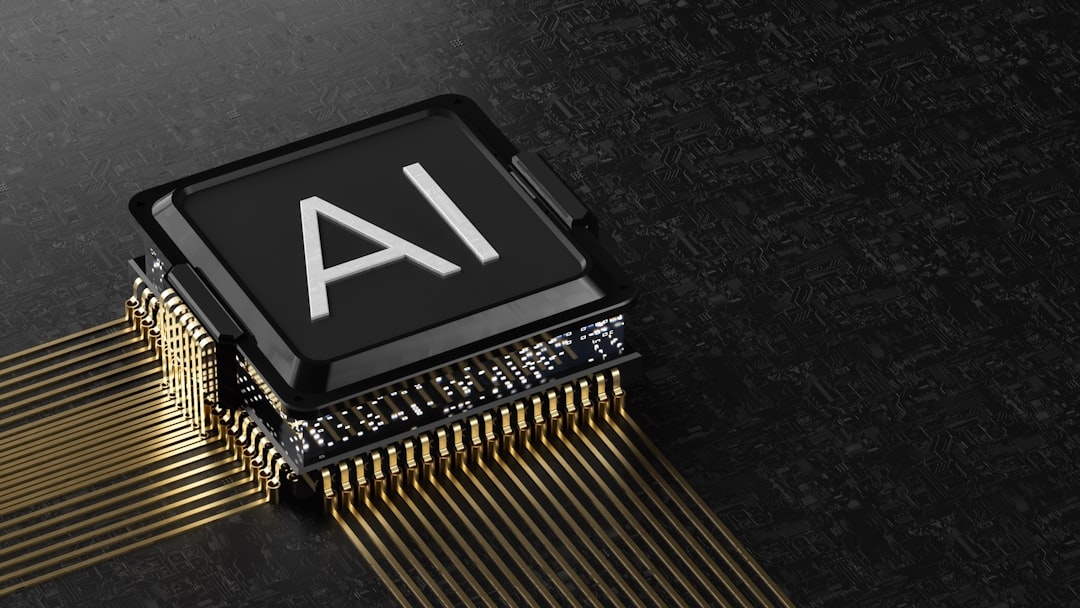
"Physical AI" refers to artificial intelligence embedded directly into tangible objects and environments that interact with humans more naturally and intuitively. Unlike chatbot AI confined to phone or computer screens, physical AI powers robots, smart devices, and sensors that perceive and react to their surroundings.
This shift matters because it takes AI from a passive tool to an active participant in physical spaces. Instead of typing commands, users experience AI through real-world touchpoints like voice-activated home systems, intelligent vehicles, or AI-powered manufacturing equipment.
How Does Physical AI Work Compared to Screen-Based AI?
Physical AI combines several technologies:
- Computer Vision: Enables devices to interpret visual inputs, like cameras recognizing faces or objects.
- Natural Language Processing (NLP): Allows devices to understand and respond to spoken commands without intermediary screens.
- Edge Computing: Processes AI locally on devices to reduce latency and improve real-time responsiveness.
- Robotics and Actuators: Provide physical movement and interaction capabilities.
In contrast, screen-based AI primarily relies on digital inputs and outputs, like typing or clicking, mediated by internet servers and data centers. Physical AI requires sensors and hardware integration to perceive, decide, and act autonomously in unpredictable environments.
What Are The Trade-Offs Of Adopting Physical AI?
While physical AI opens compelling new possibilities, it comes with trade-offs:
- Complexity and Cost: Embedding AI into hardware, like robots or smart appliances, increases design, manufacturing, and maintenance costs compared to software-only AI.
- Privacy and Security Risks: Physical AI devices often collect extensive real-world data, raising concerns about how data is stored and protected.
- Reliability Challenges: Physical systems operate in varied and unpredictable conditions, making consistent performance harder to guarantee compared to controlled software environments.
- Scalability Issues: Deploying hardware AI widely is slower and less flexible than updating software models in the cloud.
Understanding these limitations is crucial for businesses weighing investment and users deciding adoption readiness.
How Are Industries Implementing Physical AI in Real-World Settings?
CES 2026 showcased numerous examples where physical AI is reshaping industries:
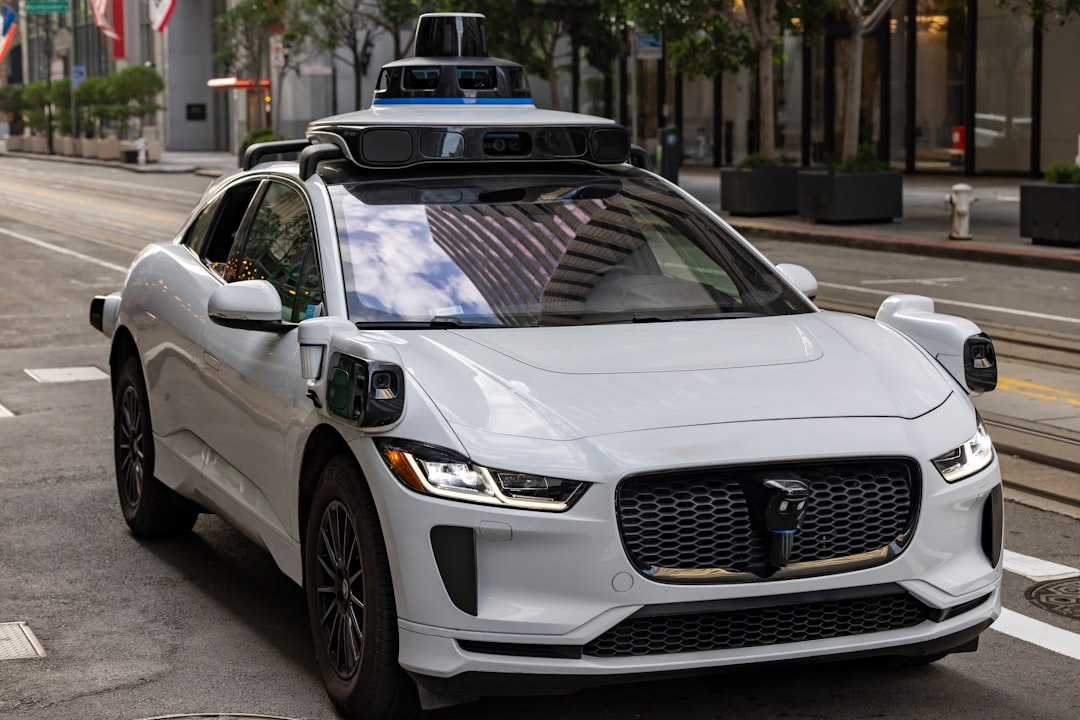
- Automotive: AI-powered driver-assist features and autonomous vehicles integrating sensors and real-time processing to improve safety and navigation.
- Smart Homes: Devices like AI-enabled thermostats and security cameras that adapt to user behavior without constant screen interaction.
- Healthcare: AI-driven robots assisting in surgeries and rehabilitation, offering precise, physical assistance beyond digital recommendations.
- Manufacturing: Intelligent robotic arms that work alongside humans, adjusting actions instantaneously based on sensory data.
These implementations highlight physical AI's growing role in making environments more responsive, efficient, and user-friendly.
Why Are Traditional Screen-Based AI Models Becoming Insufficient?
Screen-based AI, while transformative, often creates a barrier between users and AI. It requires active engagement via screens, limiting immediacy and natural interaction.
Physical AI dissolves this barrier by embedding intelligence into objects themselves, enabling instinctive use. For example, rather than manually inputting commands, a smart fridge might autonomously track food expiration or suggest recipes by analyzing contents in real time.
This paradigm shift challenges the assumption that AI must be mediated through screens, opening doors to more seamless and human-centric technology.
When Should Businesses and Consumers Embrace Physical AI Solutions?
Deciding when to adopt physical AI depends on several factors:
- Use Case Suitability: Physical AI excels where real-time physical interaction is valuable, such as robotics, home automation, or autonomous vehicles.
- Cost-Benefit Analysis: The initial investment can be higher; businesses should assess expected efficiency gains or user experience improvements.
- Security Considerations: Ensure robust data privacy and protection mechanisms before deployment.
- Maintenance Capacity: Physical devices might require more frequent updates and repairs compared to software solutions.
For consumers, choosing physical AI gadgets should align with lifestyle and needs—prioritizing convenience and safety without unnecessary complexity.
Quick Reference: Key Takeaways on Physical AI at CES 2026
- Physical AI refers to AI embedded in real-world devices, going beyond screens.
- This shift enables more natural, intuitive human-technology interactions.
- Technologies involved include computer vision, NLP, edge computing, and robotics.
- Trade-offs include higher complexity, cost, and privacy concerns.
- Industries adopting physical AI include automotive, healthcare, smart homes, and manufacturing.
- Businesses should evaluate use case fit, costs, and security before adopting.
How to Evaluate Physical AI Technologies for Your Needs?
When assessing physical AI options, follow a structured approach:
- Define Objectives: What problems do you want the AI to solve? Is it improving user experience, automation, or efficiency?
- Analyze Environment: Consider the physical context—lighting, noise, connectivity, safety—that may affect device performance.
- Assess Integration: Will the AI device integrate seamlessly with existing systems and infrastructure?
- Evaluate Vendor Support: Does the provider offer robust updates, security patches, and maintenance?
- Test Real-World Scenarios: Pilot devices in the intended environment to check reliability and usability.
This checklist helps navigate the complexity of physical AI investments and reduces risks of costly mistakes.
Conclusion: Embracing Physical AI Requires Calculated Choices
CES 2026 vividly demonstrated that AI's future is not confined to screens but is becoming an integral physical presence in our lives. This transformation promises more immersive, intuitive interactions but demands careful consideration of costs, security, and suitability.
For businesses and consumers alike, success with physical AI hinges on aligning technology capabilities with real-world needs and readiness. Deploying physical AI without thorough evaluation risks inefficiency, security breaches, and user frustration.
To make informed decisions, take time to assess objectives, environment, and vendor reliability. Engage in small-scale testing and always prioritize privacy and security. Physical AI is here to stay, but it requires thoughtful adoption to unlock its full potential and truly enhance daily experiences.
Technical Terms
Glossary terms mentioned in this article







Comments
Be the first to comment
Be the first to comment
Your opinions are valuable to us