
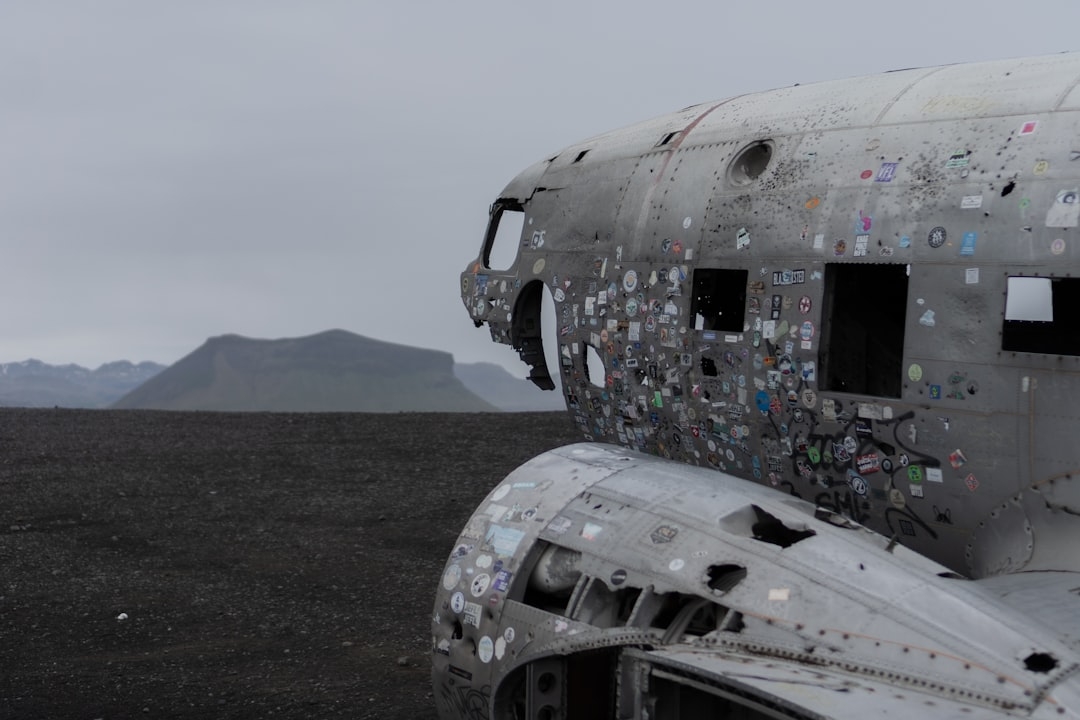
The Problem with Deorbiting the ISS
When it comes time to retire the International Space Station (ISS), how we bring it down matters more than most realize. The ISS is a massive structure weighing nearly 420 tons, orbiting roughly 408 kilometers above Earth. An uncontrolled or poorly managed reentry could have catastrophic consequences.
The station isn’t just floating debris—it’s a complex habitat and research lab. Unlike smaller satellites that can burn up entirely during reentry, parts of the ISS will survive heat and impact the ground. Therefore, deciding on the best way to dispose of it means facing multiple technical and safety trade-offs.
Why Does the Method of ISS Disposal Matter?
Many assume you can simply turn off a spacecraft’s systems and let it fall into the ocean. In reality, the process of deorbiting a space station of this scale requires careful planning to minimize risks to people, property, and the environment.
Uncontrolled reentry could lead to debris hitting populated areas or critical infrastructure. While the ocean is a primary target for debris to splash down safely, precision is necessary. Moreover, improper disposal risks legal and political complications given the involvement of multiple international partners.
How Does ISS Deorbiting Work and What Are the Options?
Deorbiting refers to safely bringing a spacecraft out of Earth orbit, so it enters the atmosphere and burns up, or lands in a controlled location. For large structures like the ISS, completely burning up isn’t feasible due to its size and construction materials.
Generally, there are two main approaches:
- Controlled Deorbiting: Using attached spacecraft thrusters to lower the orbit gradually, guiding the station over a remote ocean area called the spacecraft cemetery—the South Pacific Ocean Uninhabited Area.
- Uncontrolled Reentry: Allowing atmospheric drag to slowly degrade the orbit until the station falls back naturally, an approach wrought with unpredictability and risks.
The controlled deorbit is considered the safest and most responsible method, minimizing debris risk. However, it requires functioning propulsion systems and precise coordination.
What Happens If the ISS Deorbits Uncontrollably?
An uncontrolled reentry is the worst-case scenario. It happens when the station loses power or control mechanisms prematurely due to technical failures or lack of planning. Since orbit decay can vary based on solar activity and atmospheric density changes, timing and location of impact become highly uncertain.
Debris fragments could land thousands of kilometers away from planned zones, threatening ships, infrastructure, and possibly human lives. It’s akin to a large plane crashing without any control—almost impossible to predict and dangerous to many.
Past smaller satellite breakups show that even tiny remaining debris pieces pose risks. The ISS's size magnifies this hazard exponentially.
What Are the Benefits of Controlled ISS Disposal?
Controlled disposal requires the station to remain structurally sound long enough to perform orbital maneuvers. Its benefits include:
- Minimal risk to populated areas.
- Better debris management: Most remains fall in designated ocean areas.
- International collaboration compliance: Meeting legal and ethical responsibilities towards space debris mitigation.
- Ability to recover or safely process remaining hardware: Some components might be salvageable or used for scientific analysis.
How Do Agencies Plan for ISS Deorbiting?
NASA and its international partners have detailed end-of-mission plans for the ISS, focusing on controlled deorbit procedures and extensions of service to keep maneuvering capability. These involve:
- Using attached cargo spacecraft like SpaceX’s Dragon or Russia’s Progress modules to provide thrust for deorbit burns.
- Ongoing station maintenance to keep systems operational.
- Developing debris monitoring networks to predict and track reentry fragments.
Quick Reference: Key Takeaways
- Worst case: Uncontrolled reentry increasing risk of debris on land.
- Safe approach: Controlled deorbit with precision maneuvering.
- Effective disposal requires functioning propulsion and international cooperation.
- ISS’s size makes disposal much more complex than satellites.
When Should Controlled Deorbiting Be Prioritized?
Controlled deorbiting must be planned well before the ISS loses operational integrity. If propulsion or communication systems show signs of failure, immediate contingency plans should activate to minimize risk.
Long-term extension of the ISS’s operational life helps preserve controlled disposal options.
How is the Deorbit Burn Executed?
A deorbit burn consists of firing thrusters opposite to the station’s direction of travel, slowing it down. This reduced speed causes orbital altitude to drop, pulling the ISS into Earth’s denser atmosphere where it begins burning up. These burns are calculated to ensure the station descends over predetermined ocean areas.
Trade-Offs and Practical Recommendations
No method is without trade-offs. Controlled disposal requires well-maintained systems and precise calculations, which add operational complexity and cost. Uncontrolled reentry reduces immediate effort but significantly increases risk and liability.
Prioritizing safety and international cooperation is key. Maintaining propulsion capacity until last possible moments is essential, even if expensive.
Decision Matrix for Choosing Deorbiting Strategy
To help decide the best deorbiting approach, consider this checklist:
- Is propulsion fully operational for controlled burns?
- Are backup systems in place for communication and navigation?
- Can international partners support required maneuvers and tracking?
- Is the ISS structurally sound enough to handle deorbit maneuvers?
- Are real-time debris risk assessments available and in use?
- Is contingency planning ready for sudden failures?
Completing this checklist will clarify if controlled deorbiting is feasible or if contingency plans must focus on minimizing damage from an uncontrolled fall.
Final Thoughts
The ISS represents a pinnacle of international space cooperation and technological achievement. Its disposal demands cautious and pragmatic strategies that weigh real-world risks. While uncontrolled reentry is the worst, the right preparation and commitment can ensure the ISS is retired safely, protecting both people on Earth and the legacy of space exploration.
In this nuanced operation, safety, precision, and foresight take priority over convenience.
Technical Terms
Glossary terms mentioned in this article













Comments
Be the first to comment
Be the first to comment
Your opinions are valuable to us