
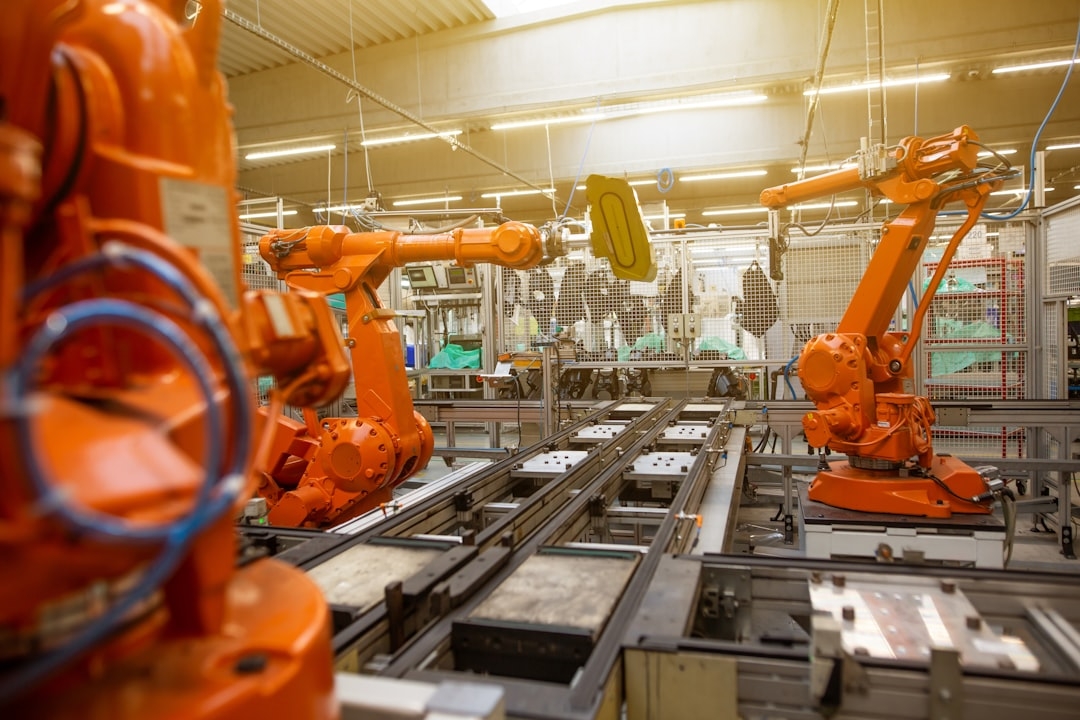
The robotics software sector faces many challenges, from integrating cutting-edge algorithms to scaling real-world applications. A noteworthy development recently occurred: Intrinsic, the robotics software company formerly operating as an independent subsidiary of Alphabet, has now officially moved under Google's domain. This shift offers an intriguing glimpse into the evolving strategies behind robotics and automation technology.
The importance of this change is reflected in how robotics software companies align with larger tech ecosystems to leverage resources and accelerate development. Understanding what it means for Intrinsic to join Google involves unpacking the company's history and the technical implications of this move.
What Does It Mean That Intrinsic Moved Under Google?
Intrinsic started as a robotics software company within Alphabet around five years ago, focusing on developing software that simplifies how industrial robots operate. Being under Alphabet allowed Intrinsic to work independently while exploring new software tools for robotic arms and automation solutions.
Now, after nearly five years, Intrinsic is transitioning under Google’s umbrella. This change means:
- Tighter integration with Google’s resources: Access to Google's vast cloud infrastructure, AI research teams, and data platforms can boost Intrinsic's product development and scalability.
- Potential alignment with Google’s AI initiatives: Given Google’s strong AI presence, Intrinsic can combine robotics software with advanced machine learning models more effectively.
- Greater focus on commercializing robotics software: Operating within Google may shift Intrinsic’s focus from experimental tools to production-ready solutions for industries.
How Does Intrinsic's Robotics Software Work?
At its core, Intrinsic develops software that helps industrial robots perform intricate tasks with greater ease and flexibility. This involves improving the user interfaces engineers use to program robots, as well as enhancing the underlying control algorithms that translate commands into precise movements.
Robotics software, like what Intrinsic creates, involves several key components:
- Robot Operating System (ROS): A framework that provides libraries and tools to help build robot applications.
- Motion Planning: Algorithms that calculate the best path a robot should take to complete a task without collisions.
- Machine Learning Integration: Using AI models to help robots adapt to complex environments or learn new tasks without explicit programming.
By streamlining these processes, Intrinsic aims to lower the barrier for manufacturers to deploy robots, making automation more accessible and flexible.
When Should Companies Consider Using Intrinsic's Solutions?
Manufacturers looking to adopt or optimize industrial robotics should consider Intrinsic’s software when they face challenges such as:
- Complex tasks requiring customizable robot programming without deep robotics expertise.
- Scaling production lines where robots need to adapt quickly to new products or variations.
- Integrating AI-driven automation to improve efficiency and reduce manual intervention.
Intrinsic’s tools are designed particularly for companies wanting to bridge the gap between robot hardware and practical software applications, making it easier to deploy automated solutions faster.
Common Mistakes When Implementing Robotics Software
From firsthand experience, many companies stumble over predictable errors during robotics software adoption, such as:
- Overestimating robot flexibility: Assuming robots can adapt immediately without proper software tuning leads to costly downtime.
- Neglecting software integration complexity: Robotics software often requires compatibility checks with existing systems, which are overlooked initially.
- Insufficient training: Operators and engineers may not receive enough training on software interfaces, causing misuse or underutilization.
Avoiding these pitfalls demands realistic planning, thorough integration testing, and ongoing support.
What Are the Trade-Offs of Intrinsic’s Approach?
Intrinsic’s software focuses on usability and flexibility, but this comes with some compromises:
- Complexity hidden from users: While simplification is beneficial, it can limit fine-grained control required in some operations.
- Dependence on cloud infrastructure: Leveraging Google’s cloud services enhances capabilities but introduces reliance on internet connectivity and data privacy considerations.
- Focus on specific robot types: Intrinsic’s tools tend to target industrial robotic arms and may not readily support other robot categories like mobile robots.
Understanding these limitations ensures the software is applied where it delivers optimal value.
Alternatives to Consider in Robotics Software
While Intrinsic is emerging under Google’s domain, several other platforms offer complementary or alternative robotics software options:
- Robot Operating System (ROS): An open-source and extensively supported framework widely used in academia and industry.
- Siemens Tecnomatix: A comprehensive suite focused on digital manufacturing and robotics simulation.
- Fanuc and ABB proprietary software: Typically bundled with respective hardware, these offer integrated control but with less flexibility.
Choosing the right software depends on your specific needs, hardware compatibility, and desired control level.
How Can Teams Get Started with Intrinsic Robotics Software After the Move to Google?
Teams interested in leveraging Intrinsic’s solutions can begin by:
- Evaluating existing robotics setups and identifying pain points in programming or adaptability.
- Exploring Google's cloud services compatibility to understand integration possibilities.
- Requesting demonstrations or pilot programs from Intrinsic to see usability firsthand.
- Training staff on new interfaces and cloud-driven workflows.
This stepwise approach ensures smoother adoption aligned with Google's enhanced support.
Final Verdict: Why Intrinsic Joining Google Is Significant
Intrinsic's integration into Google marks a strategic alignment that could accelerate robotics software innovation. It combines the agility of a specialized robotics company with Google's broader AI and cloud capabilities, potentially helping manufacturers overcome longstanding automation challenges.
For those wrestling with complex robotic deployments, this move promises access to tools that simplify programming, enhance adaptability, and integrate cutting-edge AI. Still, it's crucial to understand the trade-offs related to cloud reliance and scope to make well-informed decisions. Companies should actively evaluate Intrinsic's offerings within their automation roadmap to maximize the benefits of this transition.
Technical Terms
Glossary terms mentioned in this article




Comments
Be the first to comment
Be the first to comment
Your opinions are valuable to us