
CES 2026 is currently underway in Las Vegas, captivating tech enthusiasts and industry leaders with its array of innovative announcements. After a series of high-profile press events from heavyweights like Nvidia, AMD, and Sony, the show floor has opened to the public, revealing a rich landscape of cutting-edge technologies and AI advancements.
This article breaks down the most important reveals at CES 2026, focusing on Nvidia’s latest debuts, AMD’s new chip releases, and the quirky AI experiments presented by Razer. Rather than just recapping, the article explains the implications of these technologies and addresses some common misconceptions about emerging tech.
What Did Nvidia Reveal at CES 2026?
Nvidia grabbed attention by unveiling several new hardware products intended to enhance computing power for both gamers and AI professionals. A key highlight was the introduction of their latest GPU line, designed to improve performance efficiency while reducing energy consumption.
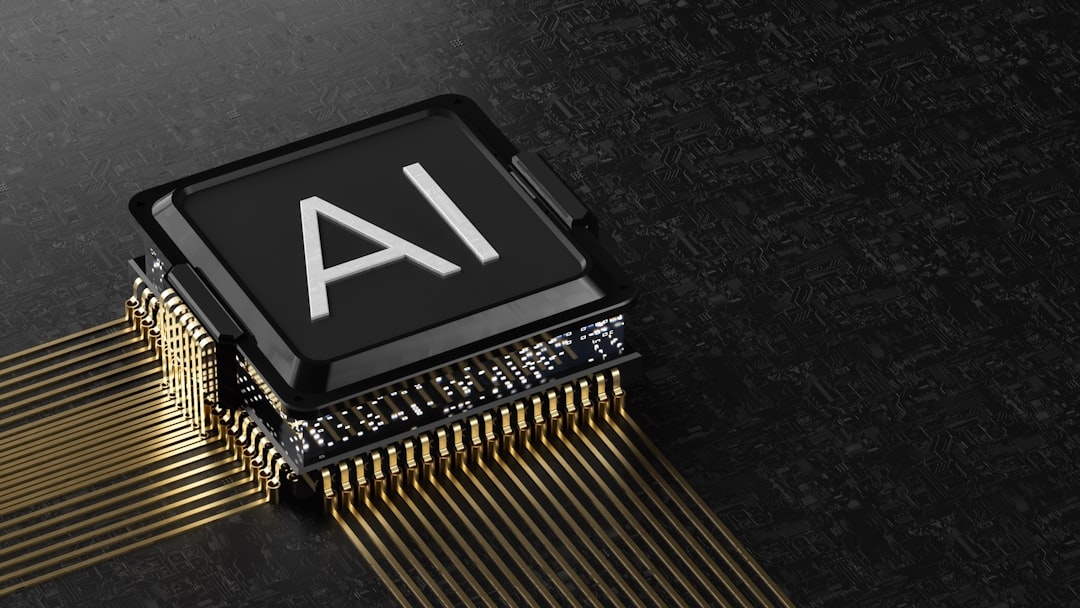
Graphics Processing Units (GPUs) are specialized processors optimized for rendering images and performing parallel computations, crucial for gaming, 3D modelling, and increasingly, AI tasks. Nvidia’s new GPUs promise better ray tracing capabilities and faster AI inferencing speeds, which can significantly speed up rendering realistic visuals and machine learning model execution.
Additionally, Nvidia presented updates to their AI software frameworks, improving developer tools that enable easier integration of AI models into real-world applications, from robotics to data analytics.
How Is AMD Changing the Chip Landscape?
AMD's latest chip releases at CES 2026 bring improvements in processing speed and power efficiency. The new line features advanced multi-core architectures aimed at both desktop PCs and enterprise servers.
Unlike single-core processors, multi-core processors allow simultaneous execution of multiple tasks, enhancing multitasking and high-load computing efficiency. AMD’s chips now feature better thermal management and support for higher memory bandwidth, which helps applications run smoother, especially in data-intensive environments.
These chip advancements are crucial for the next wave of AI computing, enabling faster training of deep learning models and increased performance in gaming consoles and cloud servers.
What Are Razer’s AI Oddities at CES 2026?
Razer took a different route by showcasing several AI-powered devices that blend novelty with practicality. Their exhibits ranged from AI-driven gaming peripherals that adjust to user habits to experimental AI assistants designed for creative workflows.
While some of these innovations appeared quirky, they indicate a broader trend where AI is increasingly becoming a personal assistant rather than just a backend technology. This shows a shift in how companies view artificial intelligence—not just as a tool for automation but as an interactive experience enhancer.
When Should You Be Cautious About Adopting New AI Gadgets?
Despite the excitement, not every AI product at CES is ready for immediate practical use. Some of Razer’s AI concepts are more research experiments demonstrating future possibilities than market-ready solutions. This highlights the importance of distinguishing between hype and real value when considering new AI tech purchases.
Key Warning: Early adoption of experimental AI devices might lead to unexpected user experience issues or compatibility challenges.
How Does CES 2026 Shape the Future of AI and Computing?
The collective announcements from Nvidia, AMD, and Razer reflect ongoing efforts to push the boundary of what AI and computing hardware can achieve. Nvidia and AMD clarify that hardware improvements remain foundational for AI progress, while Razer emphasizes the growing role of AI in end-user applications.
Understanding these concurrent developments is vital for professionals planning to invest in AI infrastructure or consumers seeking new tech products. Seeing both the raw power improvements and the creative AI use cases helps clarify the diverse directions the industry is pursuing.
When NOT to Invest in the Latest CES Tech Immediately
Not all CES unveilings translate into immediate must-have products. Hardware introduced at CES often requires months of software optimization and ecosystem support before peak performance is realized. For non-technical users, waiting for reviews and firmware updates is often wiser.
Skipping premature adoption helps avoid frustration related to:
- Driver and software bugs
- Incompatibility with existing setups
- High initial costs without proportional benefit
Evaluating real-world performance rather than hype is essential for making smart tech decisions.
Practical Next Steps: Implementing AI Hardware or Software Upgrades
If you manage AI workloads or high-performance computing tasks, start by reviewing your current infrastructure and mapping it against the capabilities previewed at CES 2026.
Ask yourself:
- Which new GPU or chip features align directly with your most time-consuming tasks?
- Are there software tools promoted by Nvidia or AMD that improve your AI model deployment?
- Do Razer’s AI-enhanced peripherals offer workflow improvements relevant to your team?
Creating a prioritized hardware upgrade plan based on these questions can significantly impact your tech investment decisions.
Technical Terms
Glossary terms mentioned in this article





Comments
Be the first to comment
Be the first to comment
Your opinions are valuable to us