
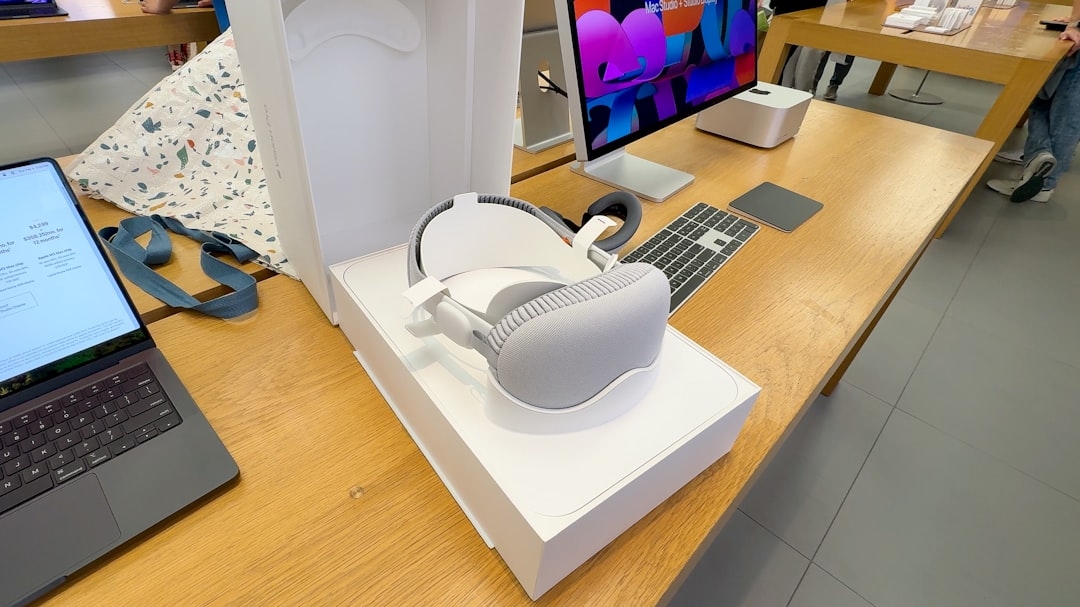
Every year, Apple fans eagerly await the company's signature product launch events. These carefully choreographed presentations often shed light on the tech giant's latest innovations. As someone who has followed many Apple announcements closely, I’ve witnessed both the excitement and occasional disappointment that can come with these reveals.
This year, Apple has invited the press to a "special Apple experience" on March 4. While details remain scarce, it appears this event will deviate from the standard press conferences we've come to expect. This shift raises the question: how will Apple’s new approach affect both media coverage and consumer anticipation?
What Makes This "Special Apple Experience" Different?
Traditionally, Apple hosts well-structured events featuring live keynotes led by top executives, including CEO Tim Cook and product leads. These presentations are streamed globally and often packed with polished demos and product showcases.
The March 4 event invitation hints at something less conventional. Rather than a formal keynote, Apple might offer a more personalized or interactive format, possibly focusing on a smaller audience or unique hands-on experiences.
This could mean a limited live reveal or individualized product showcases through controlled environments, emphasizing direct engagement over scripted presentations.
Why Change the Format Now?
Apple's decision could stem from various factors. The tech industry evolves rapidly, and in-person events have faced challenges due to recent global health concerns. Also, with increasing leaks and rumors often spoiling surprises, Apple might aim to regain control over the narrative by crafting a more intimate setting.
Moreover, this approach might align with efforts to bolster experience-focused marketing, allowing attendees to explore products firsthand rather than passively observing.
How Does This Affect Media and Public Expectations?
For tech journalists and enthusiasts, Apple's new approach presents both opportunities and challenges. On one hand, a more hands-on event can provide richer, tangible insights into device performance, build quality, and software features.
On the other hand, without the typical live-streamed keynote, it may be harder to generate immediate widespread coverage or create a shared viewing experience that fuels global conversations and comparisons.
Will We See Significant Product Launches?
While Apple hasn’t officially disclosed what products will be unveiled, speculation includes updates to existing lines such as the iPhone SE, iPad Air, or new Mac computers. However, the unique "experience" format might mean fewer blockbuster announcements and more subtle iterations focusing on user experience improvements.
What Are Some Potential Benefits of This New Approach?
- More Personalized Engagement: Attendees might have the chance to interact closely with products, ask immediate questions, and experience devices in real-world scenarios.
- Better Storytelling: Instead of rushing through multiple products in one keynote, Apple could dedicate more time to explaining detailed features, crucial for complex technologies.
- Reduced Information Overload: By spacing the announcements or formatting differently, Apple may help consumers better absorb key takeaways instead of feeling overwhelmed.
Are There Downsides to This Format?
This approach may limit the event’s reach since fewer media representatives might be invited, potentially reducing the initial buzz. Those unable to attend may have to rely on secondhand reports for hours or days before detailed reviews surface.
Furthermore, Apple's hallmark event excitement may wane if the "special experience" feels less public or less engaging than past spectacles. The risk exists that with less dramatic reveals, the event may command less attention globally.
How Does Apple’s New Event Compare with Competitors’ Launches?
Companies like Samsung and Google have experimented with hybrid event formats, combining virtual streaming with limited in-person previews. Apple’s possible closer-quartered, curated experience might focus more on exclusivity.
This can signal a trend toward more boutique-style announcements, valuing deep, quality interaction over mass consumption of information.
How Should Consumers Prepare for March 4?
Since the format may differ, consumers eager for the latest must stay tuned through trusted news outlets and social media for real-time updates. Patience will be key, as the flow of information could be less immediate but more detailed once released.
Those interested in hands-on experiences might look out for Apple Store availability or media hands-on sessions that could follow the event to try devices themselves.
What’s the Final Take on Apple’s New Announcement Style?
Apple’s pivot toward a “special Apple experience” on March 4 reflects both adaptation and innovation in communication style. While the format may sacrifice some of the grandeur traditional events hold, it opens doors for richer, more immersive interactions with new products.
Ultimately, this approach may redefine expectations around how tech companies disclose major updates, balancing exclusivity with intimate engagement rather than mass spectacle.
Whether this proves a success will depend on Apple’s ability to deliver compelling content within the new format—and how effectively the media and public adapt to this shift.
To get firsthand insight, try this: On the day of Apple’s event, follow the official Apple newsroom and major tech sites for a timeline of announcements. Note the tempo and detail of coverage compared to previous years’ keynotes to understand how the event’s format influences information flow and audience engagement.
Technical Terms
Glossary terms mentioned in this article








Comments
Be the first to comment
Be the first to comment
Your opinions are valuable to us