
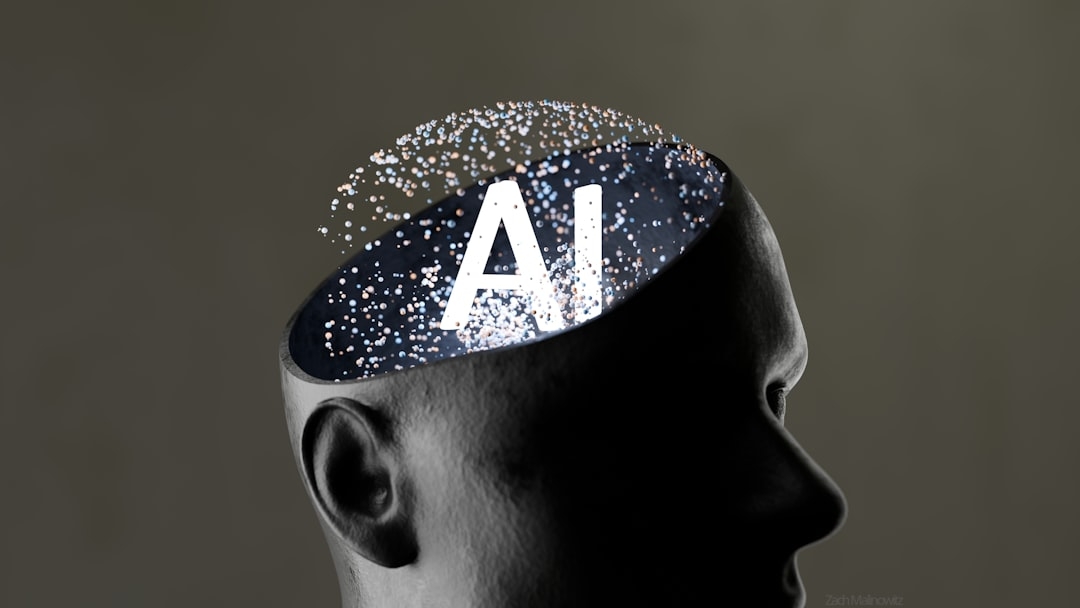
There’s a common assumption that AI wearables are a distant dream or solely dominated by current leaders like OpenAI. However, Apple's emerging interest in the field challenges this notion, signaling a competitive new player in AI hardware.
Recent reports suggest that Apple is actively developing its own AI wearable device, with a possible release date around 2027. This initiative shows Apple is not just following the AI trend but aiming to innovate within the wearable technology space.
What Exactly Is Apple’s AI Wearable?
The device Apple is working on combines wearable technology with artificial intelligence capabilities. While traditional wearables focus largely on fitness tracking or notifications, this AI wearable promises a different paradigm—integrating advanced AI to offer smarter, context-aware assistance.
Wearables are devices you can wear on your body—like smartwatches or fitness bands—that communicate with other devices or the cloud. Here, AI refers to software systems that can learn and adapt, enhancing user experience dynamically.
How Does an AI Wearable Actually Work?
At its core, an AI wearable continuously collects data from its sensors—heart rate, motion, environment—and processes this information using onboard AI or cloud-based algorithms. The key strength is in adaptive learning: the device learns your habits and predicts needs before you explicitly express them.
For example, it might recognize when you feel stressed through physiological signals and provide timely mindfulness prompts. This requires a complex interplay between hardware sensors, machine learning models, and user-friendly interfaces.
Key Components Include:
- Sensors: Measure vital signs and environmental data.
- AI Algorithms: Analyze data in real-time or via cloud services.
- User Interface: Provides actionable feedback and interactions.
When Should You Expect Apple’s AI Wearable?
The current report states Apple could launch this device as early as 2027. Given Apple’s history of rigorous product development and ecosystem integration, the timeline shows their commitment to quality and innovation rather than rushing to market.
This window also allows Apple to refine AI models, optimize battery life, and ensure the device securely handles sensitive health and behavioral data—critical factors for consumer trust.
Why Is Apple Entering the AI Wearable Space Now?
Apple’s move appears to be a strategic response to competitors like OpenAI advancing AI tools rapidly. By merging AI with wearable tech, Apple seeks to redefine how users interact with AI daily, moving beyond apps and voice assistants into more seamless, personalized experiences.
This direction aligns with broader trends: consumers seeking continuous health insights, smarter personal assistants, and hands-free help adapting to real-world contexts continually.
What Are Common Misconceptions About AI Wearables?
Misconception #1: AI Wearables Are Just Smartwatches with AI
While many smartwatches include AI features, an AI wearable designed specifically for AI integration goes deeper—targeting predictive assistance and behavioral change, not just fitness metrics or notifications.
Misconception #2: These Devices Invade Privacy
The reality is that companies like Apple prioritize secure data processing and often perform AI computations locally or with patient encrypted exchanges, minimizing vulnerabilities.
How Does Apple’s AI Wearable Compare to Existing Devices?
| Feature | Apple AI Wearable | Current AI Wearables |
|---|---|---|
| AI Integration Depth | Advanced, context-aware predictions | Basic notifications and voice commands |
| Data Privacy | Strong encryption, local processing | Varies widely by manufacturer |
| Health Tracking | Comprehensive vital signs + AI analysis | Standard fitness metrics |
| Expected Release | 2027 | Available now |
What Challenges Might Apple Face With This Wearable?
Building an AI wearable isn’t without hurdles. Apple must balance:
- Battery Life: AI computations can drain power, requiring innovation in hardware efficiency.
- User Trust: Guaranteeing privacy and transparent AI decisions is essential.
- Real-World Usefulness: The challenge lies in making AI assistance genuinely helpful, not intrusive or overbearing.
How Will This AI Wearable Impact Users?
For users, this could mean more intuitive health insights, smarter reminders, and a device that understands your day-to-day context better than current wearables. It represents a shift from reactive tech to proactive digital companions.
Yet, remember that adoption depends on how practical, reliable, and seamless Apple makes this experience.
Can You Experiment With AI Wearable Concepts Today?
Try using AI-driven health apps or smart assistants on your current devices. Observe how contextual they are—do they offer timing, personalization, or predictive insights? This quick test reveals the gap Apple aims to close with dedicated AI wearables.
Technical Terms
Glossary terms mentioned in this article





Comments
Be the first to comment
Be the first to comment
Your opinions are valuable to us