
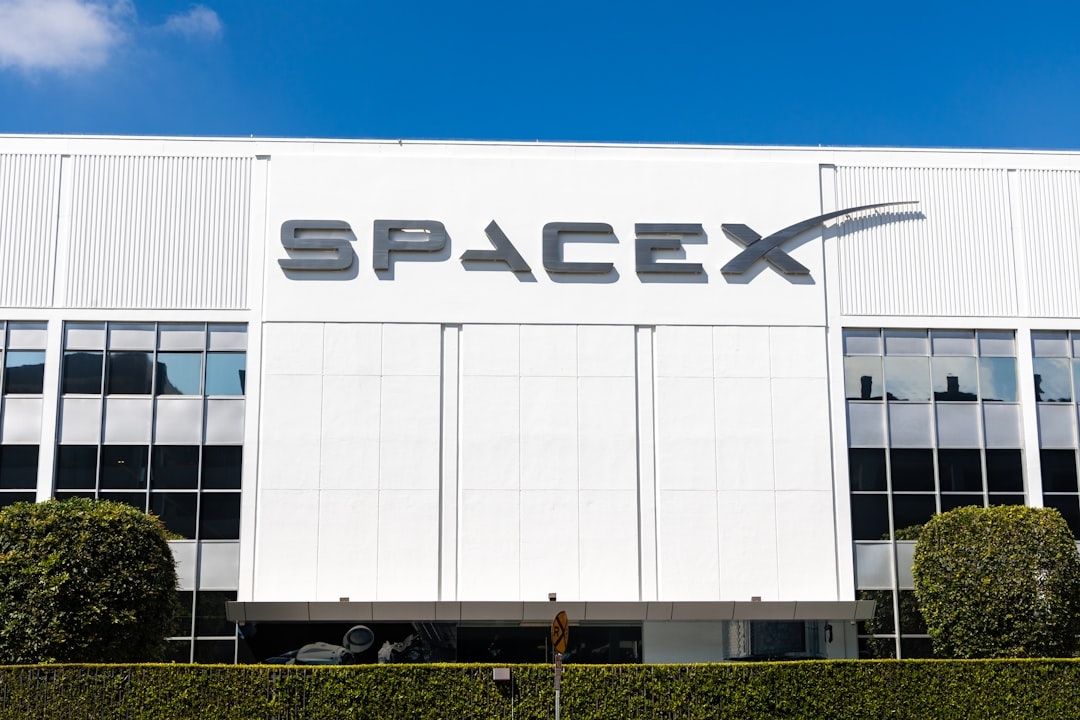
AI data centers are expanding at an unprecedented rate. Their massive energy consumption and environmental impact have sparked a bold question: Could these data centers be moved to outer space? This article assesses the viability of launching AI infrastructure into orbit, reviewing the challenges faced and practical considerations involved.
Why Consider Moving AI Data Centers to Space?
The growth of generative AI has led to the construction of enormous data centers that require vast amounts of electricity and generate significant heat. On Earth, this contributes to environmental strain and rising operational costs.
Shifting these facilities to outer space could theoretically alleviate these problems by leveraging the vacuum environment and potential space-based energy sources like solar power. But is it practical?
How Does Running Data Centers in Space Work?
Running data centers involves more than computing hardware. They require cooling systems, constant power supply, data transmission, and maintenance.
In space, cooling could be easier—without air, heat dissipates differently, possibly reducing energy spent on cooling. Solar panels can provide continuous power without atmospheric interference, an advantage over Earth-based solar farms.
However, launching large-scale hardware into orbit demands significant initial energy and launch costs. Remote maintenance and latency issues with data transmission to Earth add complexity.
What Are the Main Challenges of Space-Based AI Data Centers?
Launching and maintaining data centers in orbit faces several hurdles:
- Launch Cost and Logistics: Rockets can cost tens of thousands of dollars per kilogram to deliver payloads to orbit, making it expensive to transport heavy, sensitive equipment.
- Latency and Networking: Data must travel between Earth and space stations, introducing delays that may negatively affect real-time AI applications.
- Hardware Reliability: Space exposes hardware to radiation and extreme temperature variations, potentially shortening component lifespan.
- Maintenance Difficulties: Unlike on Earth, repairing or upgrading equipment requires space missions, increasing downtime and operational risk.
Practical Considerations: Time, Cost, and Risks
Implementing space-based data centers means facing substantial upfront costs and lengthy timelines. Building and testing equipment to withstand space conditions takes years.
The risk of hardware failure or damage due to space debris also means frequent replacements or backups are necessary, further raising costs and complexity.
Additionally, ensuring reliable, high-speed communication between Earth-based users and orbiting AI centers remains a significant technological challenge that is unresolved at scale.
Has This Idea Been Tried Before?
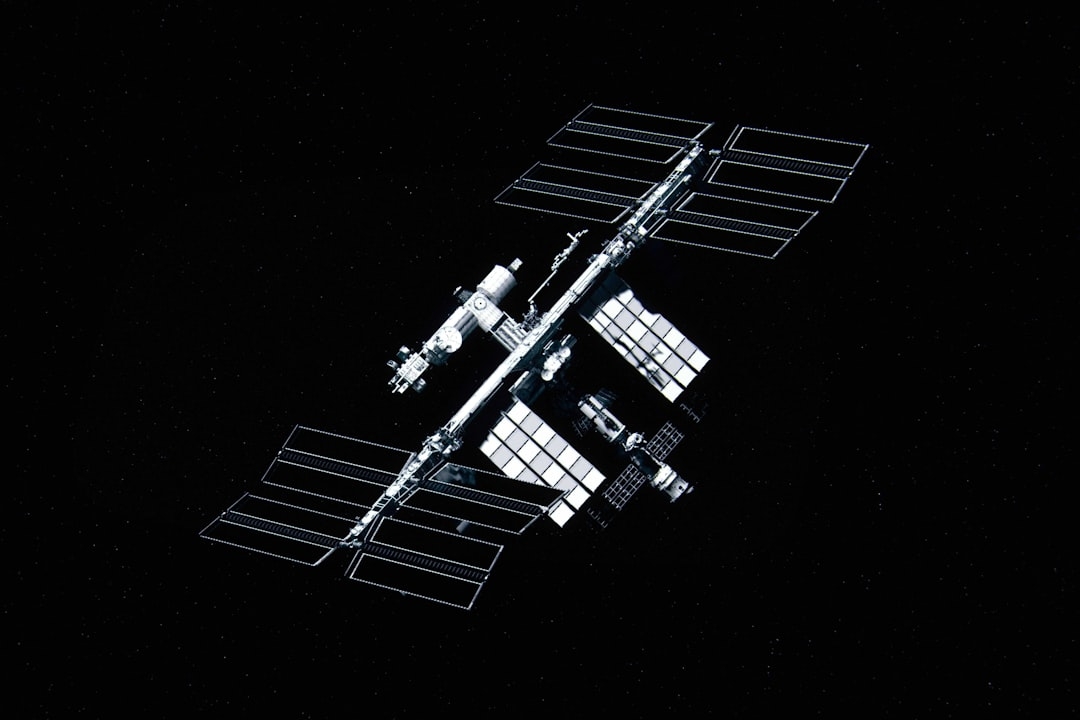
Some companies and researchers have explored deploying smaller data server nodes on satellites or the International Space Station for experimental purposes. These projects revealed many logistical and technical difficulties, especially around heat management, radiation shielding, and data transfer.
The consensus so far is that while theoretically appealing, orbit-based AI data centers are currently not cost-effective or technically feasible for large-scale deployment.
What Are the Key Takeaways?
- Moving AI data centers to orbit could reduce environmental impact on Earth but poses serious cost and technical challenges.
- Heat dissipation and continuous solar power are attractive benefits, but launch costs and hardware reliability remain major obstacles.
- Networking latency and maintenance issues make orbit-based AI operations complex, limiting use cases.
- Currently, space-based AI infrastructure is better suited for niche applications rather than mainstream AI computing.
How Can You Evaluate If Space Data Centers Make Sense for Your Use Case?
Consider these criteria in your evaluation within 10-20 minutes:
- Energy Costs: Does your AI workload consume energy at scales that Earth-based data centers can't support sustainably?
- Latency Sensitivity: Can your applications tolerate potential communication delays between Earth and orbit?
- Budget Constraints: Are you prepared for the high capital and maintenance costs of space infrastructure?
- Technology Maturity: Does your team have access to hardware and expertise ruggedized for space environments?
If most answers highlight unacceptable trade-offs, then traditional Earth-based facilities with improved energy sourcing and cooling are currently better options.
Ultimately, while space-based AI data centers are an imaginative response to escalating energy demands, present technology and economics favor optimizing terrestrial infrastructure. Future advances in launch technology and hardware durability might open new doors, but for now, the idea remains largely speculative.
Technical Terms
Glossary terms mentioned in this article






Comments
Be the first to comment
Be the first to comment
Your opinions are valuable to us