
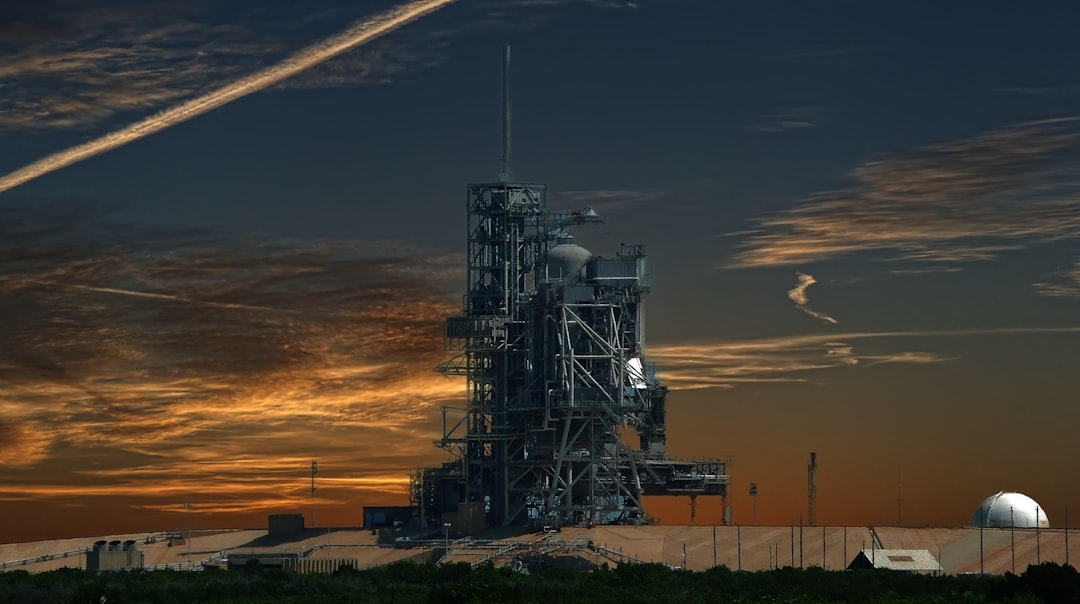
Imagine a startup claiming it can turn something as simple as water into rocket fuel. It sounds like science fiction, maybe an ambitious dream, if not a sheer joke. Yet, General Galactic, cofounded by a former SpaceX engineer, is preparing to test this very technology this fall. The stakes are high, and so is the skepticism.
Water, a compound we know intimately in our daily lives, is notoriously difficult to use as rocket fuel. Rockets need propellants that can release massive energy quickly when ignited or decomposed. Traditional fuels like kerosene or liquid hydrogen provide this energy reliably. So, why would a company gamble on water?
How Does General Galactic Plan to Use Water as Rocket Fuel?
General Galactic’s approach revolves around a **water-based propellant system** that undergoes a chemical transformation to release energy. Unlike conventional rockets burning hydrocarbons or cryogenic fuels, this technology aims to split water molecules into hydrogen and oxygen in real time, then combust them to generate thrust.
This process requires significant energy input, often achieved through onboard plasma reactions or catalytic processes—high-energy techniques that break the stable bonds of water molecules. In essence, the engine functions like a complex chemical factory producing fuel as it flies.
The company intends to test a prototype this fall, which could validate years of research. Success means a potentially safer, cheaper, and more environmentally friendly fuel. But let’s unpack why this is so challenging.
Why Is Turning Water Into Rocket Fuel So Difficult?
Water is chemically stable. It takes a lot of **energy to dissociate water molecules** into useful components for combustion. Basic chemistry teaches us that energy input must be at least equal to the energy released, implying no free energy gain—so the system has to cleverly manage this balance to be practical.
Existing rocket fuels store energy in molecules that break apart exothermically, producing thrust. Water, however, requires energy input before it can become fuel, making its use as a propellant counterintuitive and energy-intensive.
Furthermore, engineering a system that can reliably perform these reactions onboard a rocket, under harsh conditions with precise timing, adds layers of complexity.
What Are the Potential Advantages of Water-Based Rocket Fuel?
- Abundance and Availability: Water is widely available, even in space (on moons, asteroids, and Mars), potentially enabling fuel manufacturing on-site and reducing costs.
- Non-toxicity: Water is not dangerous or environmentally harmful, making handling and storage simpler and safer.
- Sustainability: This technology could reduce reliance on fossil fuels and lower carbon footprints of launches.
- Storage Benefits: Water is stable at ambient temperatures, unlike cryogenic fuels that require complex cooling infrastructure.
When Should You Be Skeptical About Water as a Rocket Fuel?
Despite these advantages, there are clear reasons to remain cautious. The phrase “That’s a big ‘if’” applies perfectly because the energy penalty in splitting water molecules is massive. Until the prototype proves efficient thrust generation and energy management, this remains a promising idea, not a proven technology.
Technical hurdles like power supply for onboard dissociation, weight penalties, engine complexity, and overall energy efficiency will decide if this startup is pioneering or overpromising.
When NOT to Use Water-Based Propellant
If your mission requires immediate, high-thrust launches with existing infrastructure, water-based propulsion may not be practical. Long-duration or in-space refueling operations, where you can harvest water from extraterrestrial sources, might be the only scenarios where it shines.
What Could Happen If General Galactic’s Test Succeeds?
A successful demonstration could encourage further investment and research in water-based propulsion. This would potentially transform how we think about refueling in space, enabling cheaper and more sustainable missions, particularly for deep-space exploration.
Water-based fuel might not replace all rocket fuels but could carve out a niche where accessibility and safety are more critical than raw power.
Try This Quick Experiment to Understand the Challenges
You can get a hands-on feel for energy in chemical bonds by performing a simple electrolysis of water at home. Using a 9V battery and two graphite electrodes submerged in water with a pinch of salt, observe how electricity splits water into hydrogen and oxygen gas bubbles.
This experiment illustrates the fundamental challenge: input energy (electricity) is needed to break water molecules, reinforcing why using water directly as a rocket fuel is not straightforward.
Next time you think about rocket fuel, remember: water might be everywhere, but using it as propellant demands overcoming substantial hurdles that only clever engineering can solve.
Technical Terms
Glossary terms mentioned in this article










Comments
Be the first to comment
Be the first to comment
Your opinions are valuable to us