
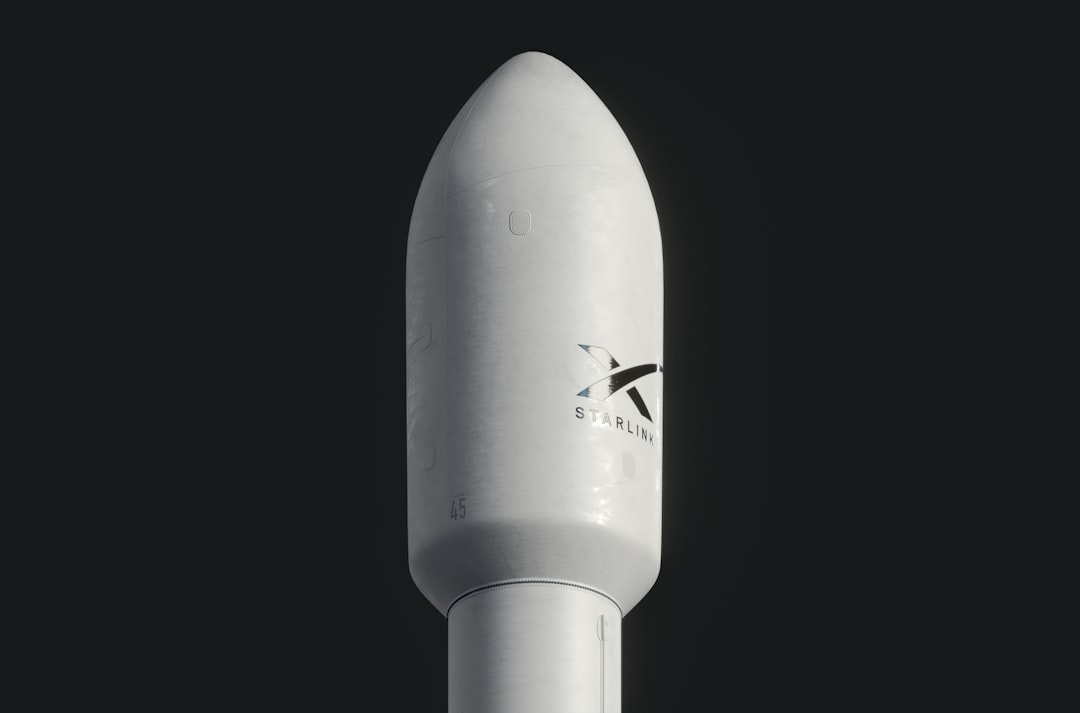
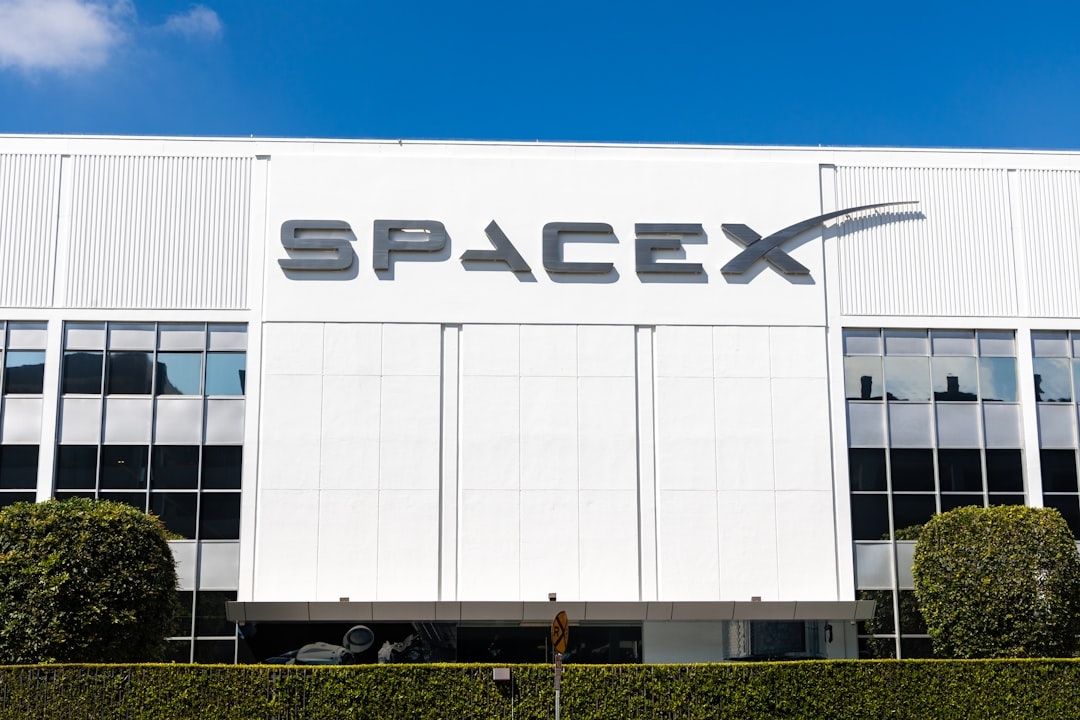
SpaceX's recent acquisition of Elon Musk's xAI marks more than just a corporate merger—it challenges existing assumptions about where and how data should be processed. Instead of relying solely on Earth-bound data centers, Musk’s vision aims to leverage space itself, presenting a unique approach to computing infrastructure.
This move creates the world’s most valuable private company and raises an important question: can data centers operating in space truly outperform their terrestrial counterparts? Before getting swept up in hype, it’s crucial to unravel the complexities and trade-offs involved.
What Does the Merger Between SpaceX and xAI Actually Mean?
At its core, the agreement brings together SpaceX’s pioneering aerospace technology with xAI’s artificial intelligence expertise. Elon Musk's plan involves constructing data centers in orbit, potentially utilizing satellites or specialized platforms. This strategy seeks to:
- Enable faster data processing by reducing latency for space-based applications
- Improve global internet coverage through SpaceX’s Starlink infrastructure
- Pioneer new frontiers in cloud service delivery outside conventional terrestrial limits
Data centers in space are not just a sci-fi fantasy—they face real engineering hurdles. These include radiation exposure, energy supply limitations, cooling challenges, and maintenance complexities. Each of these factors could have significant impacts on performance and cost.
How Does Space-Based Data Center Technology Work?
Space-based data centers leverage satellites or platforms equipped with servers and networking hardware. They aim to bring computation closer to where data is generated—especially useful for satellites, scientific instruments, or AI systems operating in orbit.
Latency reduction is key here: transmitting data through the atmosphere and ground networks introduces delay, but positioning data centers in space can minimize this lag. However, this requires robust radiation shielding as cosmic rays can damage electronic components. Cooling is another challenge since space offers no air for heat dissipation; innovative thermal management solutions must be applied.
Basically, these data centers act like remote compute nodes, potentially enhancing the speed and quality of data-intensive tasks such as AI model training, satellite image processing, or real-time space communication.
When Should You Consider Space-Based Data Centers?
Is this technology suitable for your needs? Not so fast—space-based data centers carry trade-offs that make them ideal only in certain contexts:
- Applications with space origins: satellites requiring immediate data crunching will benefit most
- Global coverage needs: services like Starlink could integrate computing power close to edge devices worldwide
- Experimental AI research: xAI’s involvement hints at testing novel AI workloads in challenging environments
For typical web services or enterprise workloads, Earth-based, well-established data centers remain more practical due to lower costs, easier maintenance, and stable infrastructure.
What Are the Main Challenges of Orbital Data Centers?
Despite the compelling vision, building and running data centers in space is fraught with obstacles:
- Harsh environment: cosmic radiation can degrade hardware, causing errors or failures
- Maintenance difficulties: physical repairs or upgrades are currently expensive and complex
- Energy constraints: solar power limits and battery storage must be highly efficient
- Thermal regulation: without air, dissipating heat generated by servers is a major engineering challenge
Musk’s past projects offer a mixed view. For example, while Starlink dramatically expanded satellite internet, many technical issues had to be resolved on the fly. Similarly, the plan to prove usefulness of space-based centers will require extensive testing and iteration.
How Does This Compare to Traditional Data Centers?
Conventional data centers benefit from decades of optimization:
- Stable power grids
- Advanced liquid cooling systems
- Redundant networking and failover mechanisms
- Easy access for technicians
By contrast, orbital data centers sacrifice some of these benefits in exchange for proximity to space applications and global reach.
Imagine it like choosing between a luxury beachfront house (traditional data centers) versus an innovative floating home in the middle of the ocean (space-based centers). The latter promises unique advantages but comes with significant upkeep challenges.
When Will SpaceX’s Plan Prove Successful?
This depends primarily on their ability to overcome environmental risks and demonstrate economics better than existing options. Early results will likely focus on specific use cases within Starlink networks and AI workloads that require rapid space-based computation.
If successful, orbiting data centers could redefine cloud infrastructure, dramatically changing workflows for satellite providers, researchers, and AI developers.
What Key Lessons Can We Learn From This Venture?
While ambitious, Musk’s approach highlights important truths about tech innovation:
- Bold ideas demand relentless testing: space-based computing is far from guaranteed success
- Trade-offs matter more than ideals: speed and coverage come with higher risk and cost
- Integration is critical: merging AI expertise with aerospace tech shows the need for cross-domain collaboration
Trial and error will expose what works and what doesn’t—there is no silver bullet here.
Ready to Decide on Your Data Center Strategy? Here’s a Checklist
Use this list to evaluate if space-based or traditional data centers fit your projects:
- Does your application require ultra-low latency with satellite data?
- Is your workload critical enough to justify the high cost and risk of orbital infrastructure?
- Can you accept potential downtime due to maintenance challenges?
- Do you have access to AI workloads that benefit from novel environments?
- Is global reach via networks like Starlink crucial for your users?
If you answered yes to most, keep watching Musk’s space centers. If not, terrestrial centers remain the safer bet.
The journey of SpaceX and xAI underscores how innovation means grappling with complexity, not just chasing novelty. Just because something is possible in space doesn’t mean it instantly beats long-established ground solutions. Critical evaluation and practical trade-offs will guide where cloud computing goes next.
Technical Terms
Glossary terms mentioned in this article




Comments
Be the first to comment
Be the first to comment
Your opinions are valuable to us