
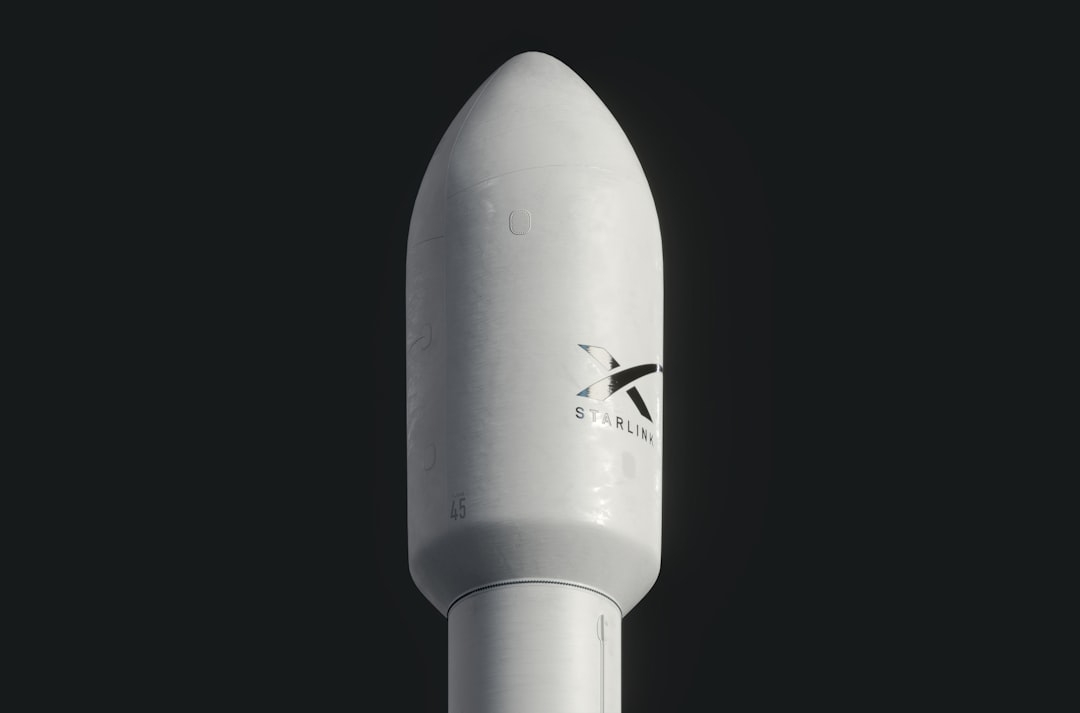
SpaceX, the aerospace company known for revolutionizing space travel, has recently submitted a filing to U.S. federal regulators seeking approval to launch an unprecedented constellation of one million solar-powered satellites. These satellites are intended to serve as data centers in orbit, significantly expanding global connectivity and computational capabilities.
This proposal marks a major leap forward in satellite technology and space infrastructure. SpaceX claims this project is not just about improving internet coverage but represents a foundational step toward what is called a Kardashev II-level civilization—a theoretical stage where humanity harnesses the full power of its star, the Sun.
What Are Solar-Powered Satellite Data Centers?
Traditional satellite constellations like SpaceX’s Starlink consist of communication satellites that relay internet signals between ground stations and users. The new satellites proposed go beyond communication—they will include onboard data centers powered by solar panels.
Solar power here means the satellites generate their own energy directly from sunlight, avoiding dependence on limited onboard fuel or batteries. Integrating data centers in space implies these satellites will process and store data remotely, functioning like mini cloud computing hubs orbiting Earth.
How Does SpaceX's Satellite Data Center System Actually Work?
Each satellite will be equipped with solar arrays converting sunlight into electricity, powering computing hardware inside the satellite. This hardware can perform data storage, processing, and routing tasks.
This approach benefits from the near-constant sunlight in space, allowing satellites to operate with fewer interruptions than Earth-bound data centers that consume massive energy and require extensive cooling.
Deploying a constellation of one million satellites means creating a distributed, high-capacity network that can handle huge volumes of data closer to the end user. This setup can reduce latency, improve bandwidth, and provide redundancy in case some satellites experience issues.
Why Does SpaceX Claim This Is a Step Toward a Kardashev II Civilization?
The Kardashev scale is a method of measuring a civilization's technological advancement based on energy consumption. A Kardashev II civilization fully harnesses the energy output of its star—in this case, the Sun.
SpaceX's proposal leans on this concept by aiming to create a system that captures and utilizes sunlight at an unprecedented scale. Launching one million solar-powered satellites reflects the ambition to open a new frontier of energy usage and data management in space.
What Are the Challenges and Trade-Offs of Launching 1 Million Satellites?
While the vision is compelling, deploying such a massive satellite network involves significant challenges:
- Orbital congestion: Managing space traffic with so many satellites risks collisions and interference.
- Cost: The sheer number of satellites requires massive investment in manufacturing, launching, and maintaining.
- Technical complexity: Building reliable, solar-powered, high-performance data centers that can operate in harsh space conditions is nontrivial.
- Environmental concerns: Space debris and light pollution could increase, affecting astronomy and space safety.
How Does This Compare to Ground-Based Data Centers?
Ground data centers consume enormous amounts of power and need extensive cooling mechanisms to prevent overheating. SpaceX’s satellite data centers benefit from perpetual sunlight and the cold environment of space, potentially lowering cooling costs.
However, satellites face unique drawbacks:
- Limited hardware upgrades: Once launched, hardware is mostly fixed compared to easily upgradeable terrestrial facilities.
- Latency to ground users: Although reduced from long-range satellites, still higher than local data centers.
| Aspect | SpaceX Satellite Data Centers | Ground Data Centers |
|---|---|---|
| Power Source | Solar energy from Sun | Grid electricity (often fossil fuels or renewables) |
| Cooling | Passive space environment cooling | Active cooling systems needed |
| Maintenance | Difficult and rare post-launch | Regular upgrades and repairs |
| Latency | Medium, depends on orbit altitude | Low to medium, depends on location |
| Deployment Scale | 1 million satellites proposed | Thousands of terrestrial data centers globally |
How Does SpaceX Plan to Address Common Misconceptions About This Project?
Some might assume this is merely an extension of Starlink internet satellites. However, these new satellites have a different function: active data processing rather than just communication relay.
Another common misunderstanding is regarding energy use. Unlike assumptions that this system consumes more energy overall, the reliance on solar power means it aims for sustainability and efficiency, using the Sun’s energy directly rather than drawing from Earth’s power grids.
When Should You Expect to See These Satellites in Action?
SpaceX has filed for regulatory approval, which is a key first step. Actual deployment depends on approvals, manufacturing readiness, and testing phases. Given the scale, full constellation deployment may take years, but early prototype satellites could launch within a couple of years.
What Could This Mean for Future Technology and Society?
If successful, this network could transform data infrastructure, enabling faster, more resilient internet and cloud services globally. It may also redefine how humanity uses external energy sources, edging closer to harnessing solar energy at a massive scale.
Nevertheless, balancing the technical and environmental challenges will be critical. The project embodies ambitious progress in future tech but reminds us that innovation often requires navigating significant trade-offs and risks.
Try This Yourself: Exploring Satellite Data Networks
If you're interested in understanding satellite constellation impacts, try researching current low Earth orbit networks like Starlink. Use public satellite tracking websites to observe live positions and consider data latency reports from users worldwide. This quick investigation can deepen your grasp of how satellite networks influence modern connectivity.
Technical Terms
Glossary terms mentioned in this article













Comments
Be the first to comment
Be the first to comment
Your opinions are valuable to us