
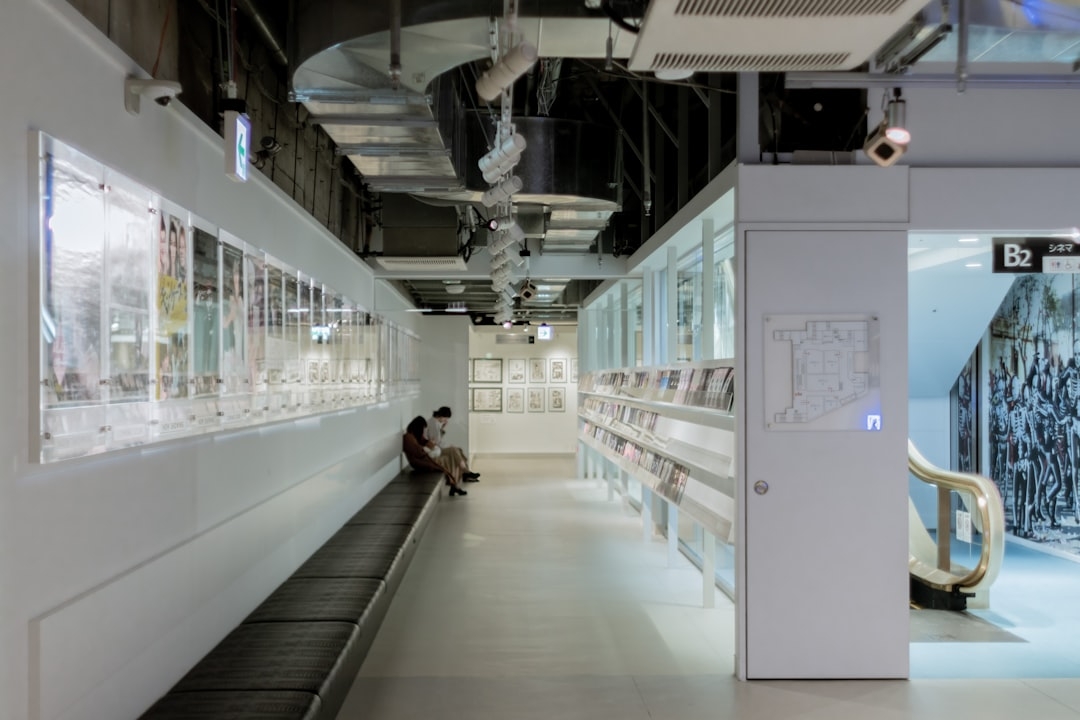
In recent weeks, New York has become the latest state to consider a pause on new data center developments. This movement comes amid a wave of legislation proposed across the US, spanning both red and blue states, reflecting growing concerns about climate impact and soaring energy prices. Data centers, the digital infrastructure backbone that powers everything from social media to cloud computing, consume vast amounts of electricity, fueling debates about their environmental footprint.
This article explores the key reasons behind this legislative push, what data centers truly involve in terms of energy use, and what this pause could mean for businesses and communities.
What Are Data Centers and Why Are They Energy-Intensive?
A data center is a facility used to house computer systems and associated components, like telecommunications and storage systems. These centers enable cloud computing, streaming services, and essentially keep the digital world running.
But powering thousands of servers generates significant heat, requiring extensive cooling systems. This combination of high electrical loads for processing and cooling leads data centers to consume enormous amounts of power—often rivaling small cities. The energy intensity has raised environmental concerns, especially as states strive to meet stricter carbon reduction goals.
Why Are States Like New York Pressing for a Data Center Pause?
Recent legislative actions in New York focus on multiple concerns:
- Environmental impact: Data centers contribute to increased carbon emissions due to their heavy reliance on electricity, much of which is still generated from fossil fuels.
- High energy prices: The surge in demand for data center power creates upward pressure on electricity rates, affecting residential and commercial consumers alike.
- Resource allocation: Utilities and policymakers worry about grid stability and the strain massive data centers place on energy infrastructure.
These concerns have prompted New York and other states to reconsider approving new facilities until they can better manage energy consumption and environmental effects.
How Does Data Center Development Impact Local Communities?
Beyond environmental issues, data center construction can reshape local economies and landscapes. For example, large data centers often require substantial land and water resources for cooling, potentially affecting local ecosystems.
In practical terms, communities near new developments may experience changes such as increased traffic, noise, and altered land use patterns. These factors contribute to why state lawmakers are scrutinizing data center expansion more closely.
Are Data Centers Compatible with Climate Goals?
There’s debate over whether data centers can co-exist with aggressive carbon reduction targets. On one hand, many companies operating these centers invest in renewable energy credits and carbon offsets. On the other, the sheer growth in data demand—from AI applications to streaming and blockchain—continues to push energy use upward.
Experts highlight that without strict regulation and innovation in energy efficiency and cooling technologies, data center expansion risks undermining climate commitments.
What Are the Common Misconceptions About Data Centers and Energy Consumption?
- Myth: Data centers are always moving to greener energy sources. While many operators aim for renewable energy, the actual energy mix depends heavily on local grids, which might still rely on fossil fuels.
- Myth: A data center pause will kill tech growth. Slowing construction doesn’t stop innovation but encourages smarter, more sustainable deployment strategies.
- Myth: All data centers consume the same amount of energy. Energy efficiency varies widely depending on design, age, and location.
What Could a Suspension Mean for Technology and Infrastructure?
Temporarily halting new data centers can create space to:
- Assess and improve grid capacity and resilience
- Enforce or incentivize adoption of greener technologies
- Develop statewide policies balancing growth and climate goals
However, it also poses challenges, including potential bottlenecks in digital services expansion and increased costs if demand outpaces infrastructure availability.
What Can Businesses and Policymakers Do Now?
Stakeholders should focus on:
- Investing in innovative cooling techniques, such as liquid cooling, to reduce energy use
- Partnering with renewable energy providers to lower carbon footprints
- Prioritizing data center location decisions that align with renewable energy availability
Such approaches can mitigate negative impacts while supporting the digital economy’s growth.
Try This: Assess Your Data Usage Impact
To understand the energy impact of your digital habits, try this quick exercise: track your streaming hours, cloud storage use, and online gaming time over a week. Then look up average data center energy consumption per gigabyte online. This simple test highlights how everyday activities translate into energy demand, informing more conscious digital choices.
Technical Terms
Glossary terms mentioned in this article








Comments
Be the first to comment
Be the first to comment
Your opinions are valuable to us