
In an era where digital infrastructure underpins much of our daily lives, the rapid expansion of data centers has sparked legislative responses across the United States. New York lawmakers recently proposed a three-year pause on new data center construction, signaling growing concerns about the environmental and economic impacts of these facilities. This move places New York as at least the sixth state to consider halting new data center projects, raising key questions about sustainability and growth in the tech sector.
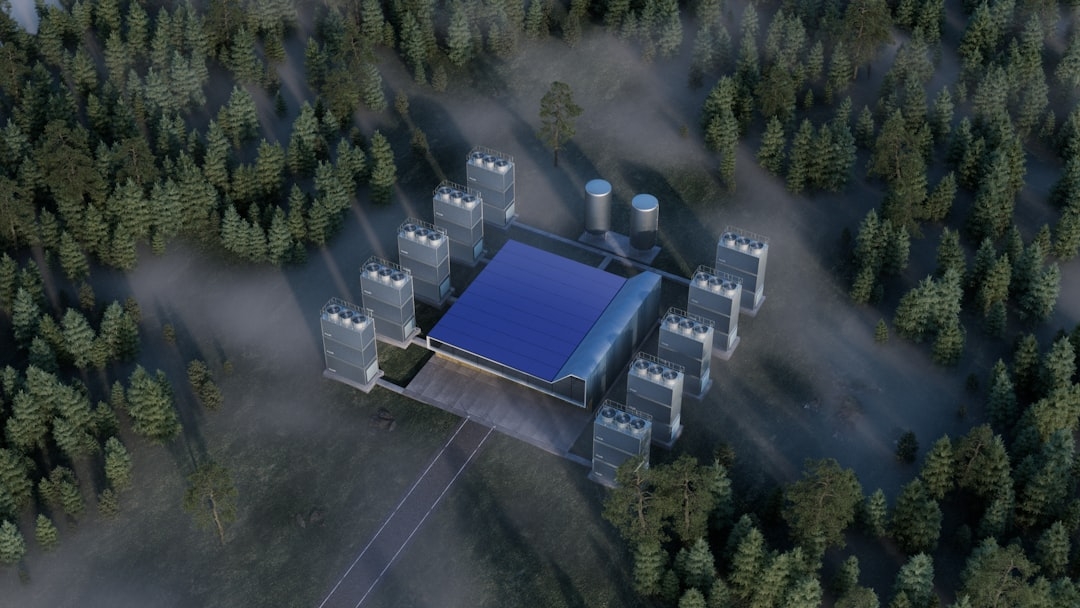
Data centers are specialized facilities that house computer systems and associated components like servers, storage systems, and networking equipment. They form the critical infrastructure for cloud computing, online services, and large-scale data processing. However, despite their importance, these centers also demand considerable amounts of energy and water, prompting scrutiny from environmental advocates and policymakers.
What Is Driving New York's Proposal for a Data Center Moratorium?
The primary motivation behind New York's bill stems from concerns over energy consumption and environmental impact. Data centers often require substantial power, sometimes leading to strain on local electricity grids and increased carbon emissions if the energy source is not clean. Additionally, many centers use significant amounts of water for cooling, raising sustainability questions in regions facing environmental stress.
Lawmakers and community groups worry that uncontrolled growth might outpace efforts to ensure these facilities align with the state’s climate goals. By proposing a pause, the legislature aims to:
- Evaluate the cumulative impact of existing and planned data centers on power grids.
- Develop stricter environmental standards and energy efficiency requirements.
- Ensure local communities are involved in planning and approval processes.
This cautious approach echoes similar actions in other states, reflecting an emerging trend of balancing technological expansion with environmental stewardship.
How Does New York’s Approach Compare to Other States?
At least five other states have considered or enacted temporary halts on new data center development. While specifics vary, common themes include:
- Concerns over water usage in arid or drought-prone regions.
- Pressure on aging electrical infrastructure risking reliability issues.
- Calls for increased transparency and community engagement in planning.
New York’s bill is notable for its duration of three years, giving policymakers a significant window to collect data and introduce comprehensive regulations. This period could also allow technology advancements to emerge, potentially reducing the environmental footprint of future centers.
What Are the Practical Considerations for Businesses and Communities?
Pausing new data center construction carries various implications in terms of time, cost, and risk management:
Time
A three-year pause means companies will face delays in scaling infrastructure. This can slow digital service expansion, impacting industries relying on cloud computing and data analytics.
Cost
Uncertainty about regulations can increase project costs, from design modifications to compliance measures. Companies may redirect investments to states with fewer restrictions.
Risks and Constraints
Communities may see conflicting outcomes. While environmental gains are expected, job growth and local economic benefits could be restrained temporarily. The moratorium also risks pushing data center construction to other regions, raising concerns about statewide competitiveness.
How Does the Moratorium Affect New York’s Tech Economy?
Data centers are fundamental to supporting AI, cloud services, and digital innovation. A pause can be a double-edged sword:
- Pros: Encourages sustainable development, aligns with climate goals, and protects natural resources.
- Cons: Potentially slows technological growth and deters investment if perceived as restrictive.
Policymakers must weigh these trade-offs carefully. The moratorium represents an attempt to find equilibrium—ensuring the digital economy advances without compromising environmental responsibilities.
What Should Stakeholders Consider When Evaluating This Proposal?
For decision-makers and business leaders, critical factors include:
- Energy sources: How reliant are data centers on renewable versus fossil-fuel-generated electricity?
- Efficiency: Are cooling technologies innovative and water-saving?
- Community impact: How will local infrastructure and populations be affected?
- Regulatory landscape: What changes might arise post-moratorium?
Understanding these can guide strategic planning to adapt or advocate for balanced policies.
Practical Considerations: How To Prepare For and Respond to Data Center Moratoriums
Businesses and policymakers can take concrete steps within limited timeframes to navigate pauses on data center projects:
- Conduct energy audits to identify efficiency improvements that reduce environmental pressure.
- Engage with stakeholders, including regulators and communities, to shape future policies.
- Assess alternative locations with more favorable regulatory environments or better infrastructure.
- Plan for scalability using flexible cloud arrangements that may reduce reliance on large physical centers.
These actions help mitigate risks and position organizations for compliance and sustainable growth.
How Can You Quickly Evaluate the Impact of a Data Center Pause in Your Context?
To understand the effect of a moratorium on your business or community, spend 10-20 minutes running this simple checklist:
- Review current and planned data center dependencies.
- Estimate energy and cooling demands using existing figures.
- Identify likely regulatory changes and timeline.
- Calculate cost and time impact for delays.
- Evaluate alternatives: cloud providers, edge computing, or remote sites.
This quick evaluation clarifies potential risks and opportunities, aiding informed decision-making.
New York's proposed pause on new data centers outlines a crucial moment in balancing tech expansion with sustainability. Stakeholders must remain vigilant, adaptable, and proactive to navigate this evolving landscape.
Technical Terms
Glossary terms mentioned in this article











Comments
Be the first to comment
Be the first to comment
Your opinions are valuable to us