
Data centers are the backbone of today's digital world, supporting everything from cloud storage to AI-powered services. However, as these centers grow, so do concerns about their impact on surrounding communities, especially regarding rising electricity bills. Microsoft recently acknowledged these concerns and outlined a strategy aimed at ensuring its data centers won't burden local utility customers.
Understanding Microsoft's approach helps clarify how large tech companies can balance operational demands with community welfare and environmental responsibility.
Why Are Data Centers Raising Local Electricity Bills?
Data centers consume huge amounts of electricity to run servers and keep equipment cool. This often requires substantial power draws from nearby electrical grids. When demand spikes, utilities may raise rates to manage load or upgrade infrastructure, costs typically passed on to local consumers.
Microsoft's data centers, like those of other major tech firms, are linked to these power grids, which sparked concerns from neighborhoods worried their electricity bills might increase because of the centers’ high energy consumption.
What Measures Is Microsoft Implementing to Address Utility Cost Concerns?
In response to public backlash, Microsoft announced plans to actively limit the impact of its data centers on local electricity bills. The company aims to:
- Optimize energy efficiency within data centers by using advanced cooling and power management technologies to reduce overall electricity consumption.
- Work with utility providers to coordinate power usage carefully, avoiding peak demand periods that stress the grid.
- Invest in local renewable energy projects to supplement power needs and offset strain on traditional grids.
- Enhance transparency and community communication to reassure residents and stakeholders about operational impacts and improvements.
These steps reflect a practical blend of technology upgrades and stakeholder engagement rather than relying solely on off-site solutions.
How Does Microsoft Balance Data Center Growth with Community Energy Needs?
Expanding infrastructure while minimizing external costs is complex. Microsoft's approach focuses on trade-offs that consider real-world constraints:
- Energy Efficiency vs. Performance: While aggressive energy-saving can reduce costs, data centers must maintain high availability and performance for customers. Microsoft prioritizes solutions that save energy without compromising server uptime.
- Grid Impact vs. Capacity: Leveraging smart grid technologies and demand response programs helps smooth out peak electricity demands, but grid capacity improvements remain essential for long-term sustainability.
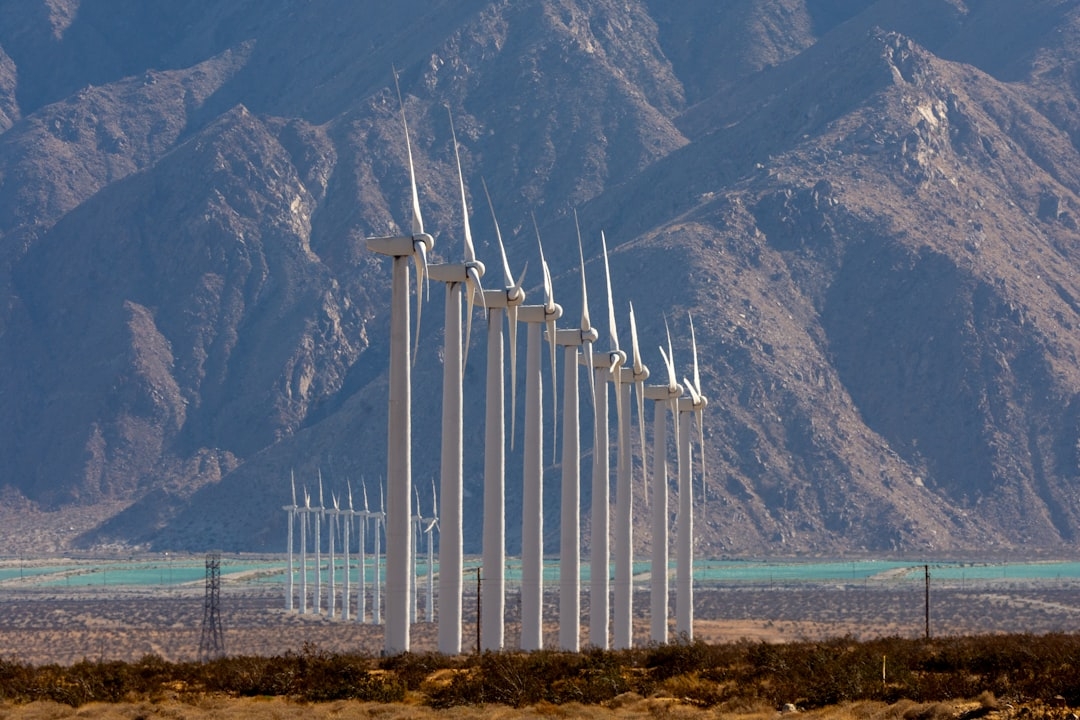
- Renewables vs. Reliability: Adding renewable sources like solar or wind reduces carbon footprints and grid strain but requires integration with stable power supplies and energy storage to handle fluctuations.
This cautious but pragmatic pathway acknowledges that quick fixes often fall short, and measured strategies with ongoing investment are necessary.
What Failed Approaches Did Microsoft Likely Avoid Based on Industry Lessons?
Some tech companies initially believed simply purchasing renewable energy credits would solve community concerns. However, this approach doesn't directly lessen local grid strain or lower bills for neighboring residents.
Others experimented with over-reliance on local battery storage or microgrids, which can be costly and logistically challenging at scale. Microsoft's combined strategy suggests that no single solution suffices; instead, a portfolio of measures is most effective.
Why Is Transparency Important in Managing Data Center Energy Use?
Community trust depends on clear communication. Microsoft commits to keeping residents informed about energy use impacts and mitigation efforts, helping to:
- Prevent misinformation and rumors
- Gather community feedback for continuous improvement
- Showcase tangible results in reducing bills and environmental impact
This openness supports accountability and encourages better cooperation between companies, utilities, and citizens.
Key Takeaways for Organizations Considering Data Center Expansion
- Plan energy demand carefully: Collaborate closely with utility providers to design flexible power usage schedules that avoid peak load charges.
- Invest in energy efficiency technologies such as advanced cooling systems, server optimization, and real-time monitoring.
- Commit to local renewable energy projects rather than just offsetting emissions elsewhere.
- Maintain open communication with all stakeholders to address concerns proactively.
- Balance operational needs with community impact instead of chasing pure capacity growth.
These principles help minimize financial burdens on surrounding areas and support sustainable growth.
How Can You Evaluate Data Center Energy Strategies for Your Context?
When choosing solutions to manage data center energy use, consider this checklist:
- What is the existing impact on nearby electricity bills and grid capacity?
- Can energy efficiency improvements be implemented without compromising service quality?
- Is there potential to partner with local utilities on peak load management?
- Are renewable energy sources viable and reliably integrated near your site?
- How will you keep local stakeholders informed and involved?
Completing this assessment with concrete data and resident feedback offers a clearer path to sustainable data center operations that respect community welfare.
Technical Terms
Glossary terms mentioned in this article










Comments
Be the first to comment
Be the first to comment
Your opinions are valuable to us