
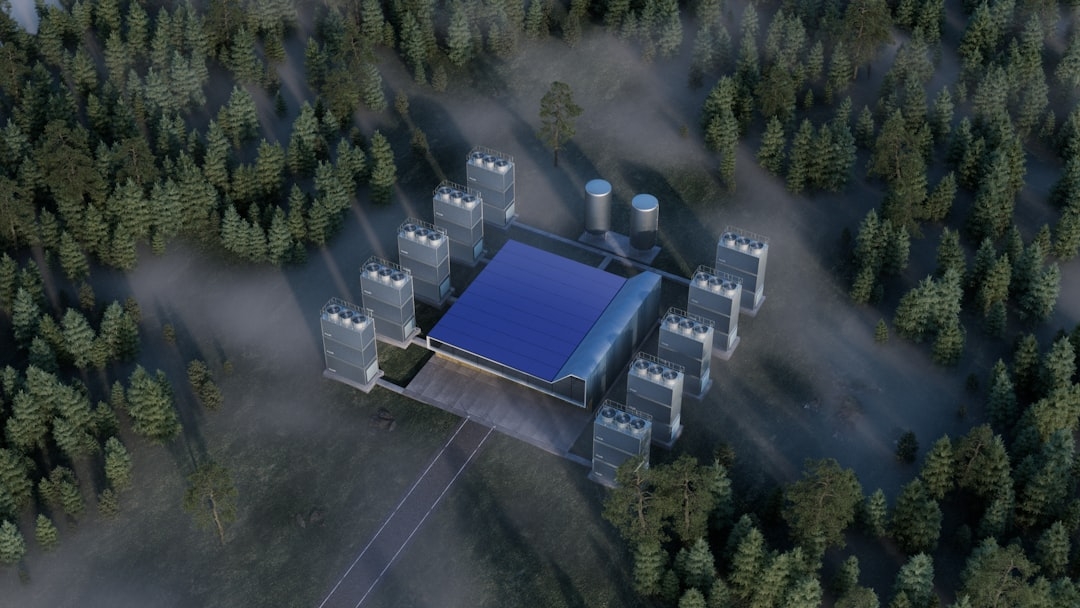
Data centers are no longer just silent warehouses of servers; they have become one of the most influential drivers of the US natural gas industry. Recent research from Global Energy Monitor reveals that gas projects explicitly linked to data centers in the US pipeline have increased by nearly 25 times over the past two years. This trend challenges traditional ideas about energy demand and infrastructure.
Understanding this shift is crucial, not only for energy professionals but also for policymakers and anyone interested in the intersection of technology and energy markets.
Why Are Data Centers Driving a US Gas Boom?
The core of this surge lies in the increasing power demand of data centers, which require reliable and scalable energy sources to support their operations. Unlike renewable sources that can fluctuate, natural gas plants provide the steady, on-demand electricity that data centers depend on.
Natural gas combustion in power plants involves burning methane to generate electricity. These plants are valued for their ability to ramp production up or down quickly, making them a perfect match for the variable workloads of data centers.
What Does the Data Show?
- Gas projects linked explicitly to data centers increased by almost 25 times from 2021 to 2023, according to Global Energy Monitor.
- This trend reflects not only the boom in cloud computing and streaming services but also the growing scale of new data center construction across the US.
- Energy demand by data centers is shaping natural gas infrastructure development in ways previously unseen.
How Does Natural Gas Compare to Other Energy Sources for Data Centers?
Data centers require consistent, uninterrupted power to maintain server uptime. While renewable sources like solar and wind are cleaner, their intermittent nature means they often can't reliably meet this constant demand without costly and complex storage solutions.
Natural gas, by contrast, offers abundant generation flexibility and faster ramp-up times than coal or nuclear plants. This makes it a preferred choice despite environmental concerns.
However, this relationship introduces trade-offs: relying more on natural gas increases greenhouse gas emissions but supports data center reliability and economic growth. Decision-makers need to carefully evaluate these factors.
What Are the Trade-Offs Involved?
- Reliability: Natural gas plants can quickly adjust output, matching data center power needs.
- Environmental impact: While cleaner than coal, natural gas still emits CO2, contributing to climate change.
- Infrastructure costs: Building new gas pipelines and plants requires substantial investment and regulatory approval.
- Renewable integration: Renewables require storage or backup, currently less economical than gas solutions.
When Should You Consider Data Center-Linked Gas Projects as Beneficial?
From experience working with energy infrastructure projects, gas-powered solutions for data centers make sense when:
- Reliable, predictable power supply is non-negotiable.
- Renewable intermittency risks cannot be sufficiently mitigated by storage.
- Shorter project development times are needed compared to more complex renewable setups.
However, if emissions reduction is the overriding goal and budget allows, integrating renewables and battery storage may be preferable, accepting potential reliability trade-offs.
What Has Failed and Why?
Attempts to power data centers solely on intermittent renewables without adequate storage have frequently failed to deliver consistent uptime. This led to costly downtime or the need for expensive grid support, negating the intended environmental benefits.
Overestimating renewable readiness for large-scale one-hundred percent clean energy supply is a common pitfall.
What Finally Worked in Supporting Data Center Energy Needs?
A hybrid approach where natural gas-backed power ensures baseline reliability while renewables supplement clean energy supply has proven pragmatic. Key benefits include:
- Stable and flexible power matching data center workloads.
- Gradual integration of renewables without risking downtime.
- Scalable infrastructure investments aligned with technology growth.
Key Takeaways
- Data center demand is reshaping US gas infrastructure, representing a major shift in energy markets.
- Natural gas remains central for reliable, on-demand power despite environmental debates.
- Balancing growth and emissions demands practical, context-driven choices.
Understanding this dynamic aids energy planners and businesses in making informed decisions about future investments and sustainability goals.
Decision Checklist: Should Your Data Center Project Rely on Natural Gas?
To help decide, consider completing this checklist within 15-25 minutes:
- Assess your uptime requirements: Can renewables meet your reliability needs?
- Evaluate local energy infrastructure: Is natural gas readily available and economically viable?
- Analyze environmental priorities: What is your acceptable emission threshold?
- Consider regulatory landscape: Are there incentives or restrictions for gas vs. renewables?
- Review budget and timeline: Are upfront costs and speed of deployment critical?
This structured approach promotes realistic, timely, and efficient energy strategy decisions for data center operations.
Technical Terms
Glossary terms mentioned in this article












Comments
Be the first to comment
Be the first to comment
Your opinions are valuable to us