
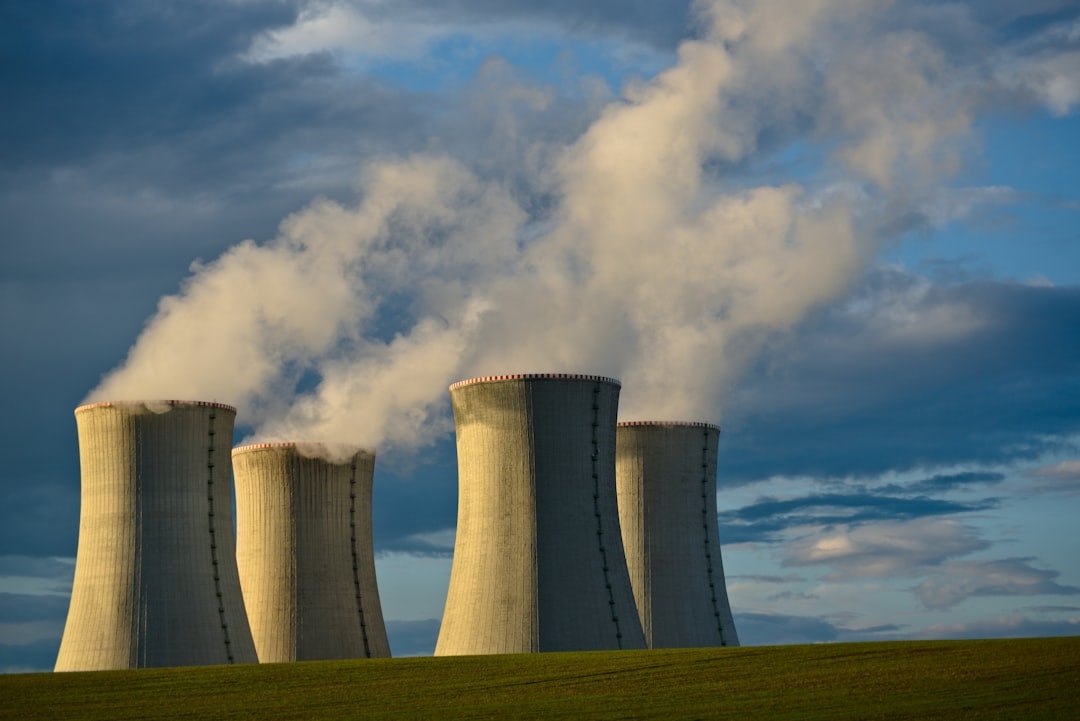
Imagine you're running a business that relies heavily on consistent power, but your energy supply is unstable and under intense scrutiny. This is the reality for many in the US energy sector today. Nuclear energy is gaining unprecedented government support, coal plants are rapidly being retired, and the massive electricity needs of data centers are sparking public pushback. These shifts mark a new battleground in America's energy future.
What’s Driving the Surge in US Nuclear Energy?
Over the past decade, US policymakers have increasingly favored nuclear power as a reliable, low-carbon energy source. Nuclear plants generate electricity through nuclear fission, where atoms split to release energy, providing a steady output unlike intermittent renewables such as solar or wind. This consistent power generation is especially valuable as coal plants—the traditional backbone of US electricity—are phased out due to environmental concerns and regulations.
The rise in nuclear support is part of a broader strategic push to balance energy reliability with climate goals. In fact, many state and federal programs now offer incentives and funding to keep existing nuclear plants operational and finance new projects.
What Are The Real Strengths of Nuclear Energy?
- High Capacity Factor: Nuclear plants operate around 90% of the time, meaning they provide constant power almost every hour of the year.
- Low Carbon Emissions: Unlike coal or natural gas, nuclear energy produces virtually no greenhouse gases during operation, helping fight climate change.
- Energy Density: Nuclear fuel packs an enormous amount of energy into a small volume, reducing the footprint compared to sprawling renewable farms.
These advantages make nuclear energy an appealing anchor in the US energy mix, especially as the nation seeks to reduce its carbon footprint without sacrificing power grid stability.
Where Does Nuclear Energy Fall Short?
Despite these benefits, nuclear energy is far from a silver bullet. Construction of new plants is notoriously expensive and time-consuming, often plagued with delays and budget overruns. The problem of radioactive waste disposal remains unresolved at a large scale, causing public concern and regulatory hurdles.
Moreover, nuclear plants face stiff public resistance especially near proposed sites, and safety concerns from historical accidents still linger in the collective memory.
Why Are Coal Plants on Their Way Out?
Coal power, once the dominant source of US electricity, is now declining rapidly. It’s dirty—emitting significant levels of carbon dioxide and pollutants—and increasingly less competitive as cheaper natural gas and renewables flood the market. Additionally, many states have set ambitious targets to eliminate coal to meet emission reduction goals. The resulting plant closures speed up the energy transition but also underscore the urgency of replacing that capacity reliably.
Why Are Data Centers Facing Pushback?
Data centers consume massive amounts of electricity to power servers and keep them cool. As the digital economy boom fuels demand for cloud computing and streaming, communities and regulators are questioning whether this energy use is sustainable or equitable—especially given the environmental impacts and competition with residential power needs.
This pushback amplifies the need for energy sources that can handle large, steady loads without worsening carbon emissions.
What Are the Alternatives to Nuclear and Coal?
Renewables like solar and wind have grown rapidly, but their intermittent nature requires backup solutions or large-scale storage, which remain challenging and costly. Natural gas plants offer flexibility but add carbon emissions. Emerging technologies such as advanced nuclear reactors, hydrogen fuel, and grid-scale batteries are promising but in early stages or not yet commercially viable at scale.
Common Mistakes When Planning Energy Transitions
- Overestimating the speed at which nuclear plants can be built or upgraded.
- Ignoring grid reliability by shutting down coal too fast without sufficient replacement capacity.
- Underestimating public resistance to new facilities, whether nuclear plants or data centers.
- Failing to account for the hidden costs of energy storage and backup needed for renewables.
Addressing these mistakes requires a pragmatic approach that balances environmental goals with economic and social realities.
How Can You Navigate Today’s Energy Challenges?
If you’re involved in energy policy, infrastructure planning, or business operations relying on stable power, understanding this evolving mix is crucial. Stay informed about federal incentives for nuclear projects, monitor coal plant phase-outs in your area, and engage with community concerns around data center expansions.
Most importantly, recognize that no single energy source is perfect. The power play is about crafting a diverse portfolio that leverages the strengths of nuclear, renewables, and cleaner fossil fuels while minimizing downsides.
Final Verdict: What’s Next in the US Energy Landscape?
Nuclear energy's resurgence reflects a necessary pivot toward reliable, low-carbon power as coal plants disappear and data center electricity demands rise. However, challenges in cost, waste, and public acceptance mean it's only part of the solution.
The next front in America's energy battle will be in deploying hybrid strategies, investing in new technologies, and carefully managing the transition to preserve both economic vitality and environmental responsibility.
Steps You Can Take Today
As a practical step, review your local or business energy portfolio. Identify where nuclear support incentives apply, assess the timeline for coal plant retirements nearby, and evaluate if your power demands align with energy supply trends. In 20-30 minutes, create a simple action plan outlining which energy sources you rely on, expected changes, and contingency options if supply shifts unexpectedly.
This hands-on approach helps you anticipate risks and leverage opportunities in the unfolding energy landscape.
Technical Terms
Glossary terms mentioned in this article











Comments
Be the first to comment
Be the first to comment
Your opinions are valuable to us