
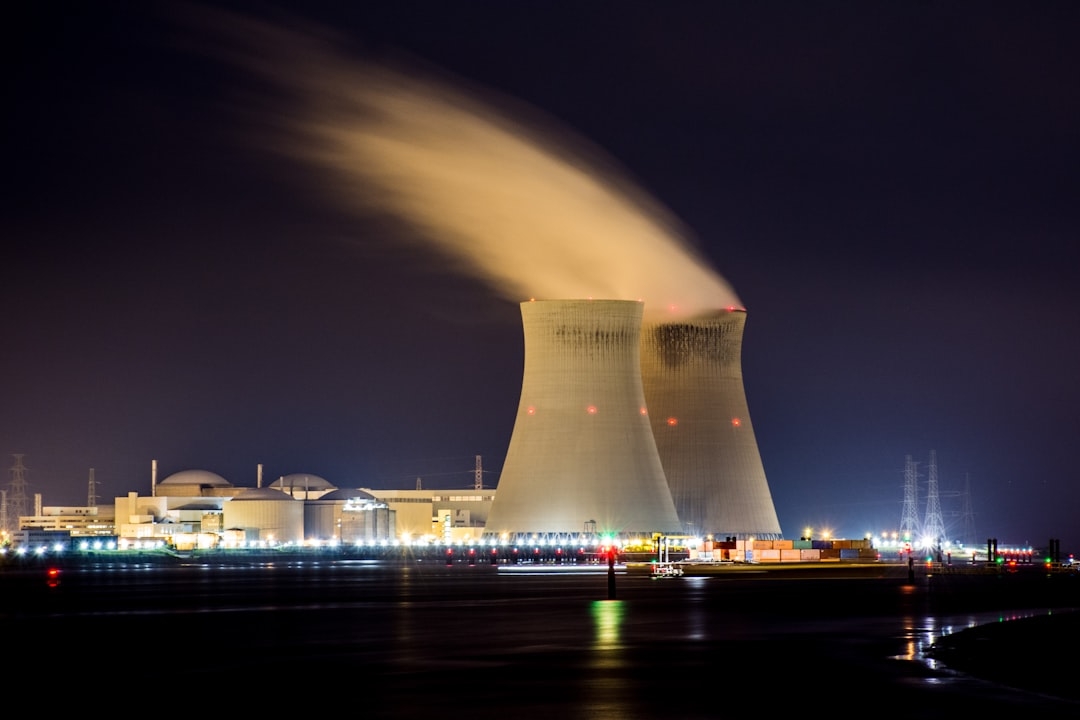
When Meta decided to finance the purchase of uranium for Oklo, a startup developing advanced nuclear reactors, it caught the attention of the energy and tech communities alike. I recall the initial skepticism around nuclear power investments, especially from tech giants often associated with green energy. But this move signals something different—a massive vote of confidence in nuclear energy’s potential to power a sustainable future.
In this article, we’ll unpack what Meta’s financing means for Oklo and the broader nuclear energy landscape, diving into the hype, realities, and practical challenges involved.
What’s the Hype Around Meta and Oklo’s Nuclear Bet?
Meta’s decision to finance Oklo’s uranium purchase isn’t just about buying fuel. It’s a strategic endorsement of nuclear power technology that breaks away from traditional energy investments.
Oklo focuses on advanced microreactors — smaller, modular nuclear reactors designed to be safer, more flexible, and quicker to deploy than conventional plants. Uranium, the fuel for these reactors, is a critical commodity, and securing supply can be a massive hurdle.
This direct financing helps Oklo bypass financial risks associated with uranium procurement. It also reflects Meta’s belief that nuclear power can play a key role in climate solutions, supplementing renewables with reliable baseload power.
How Does Meta’s Investment Support Oklo’s Reactor Development?
Oklo designs what’s known as fast neutron reactors, which differ from typical thermal reactors by using fast-moving neutrons to sustain the chain reaction. This technology allows for higher fuel efficiency and potentially less nuclear waste.
By financing uranium purchases, Meta helps ensure that Oklo’s reactors can be fueled without delay or cost overruns. This financial backing is crucial during a stage when startups struggle to prove commercial viability while managing expensive regulatory and supply-chain challenges.
Where Does Nuclear Power Shine in the Clean Energy Mix?
The appeal of nuclear, especially advanced designs like Oklo’s, lies in its ability to provide stable, carbon-free energy day and night—something intermittent renewables can’t guarantee on their own.
- High Energy Density: Uranium packs far more energy per unit weight than fossil fuels or batteries.
- Reliable Baseload Power: Nuclear plants operate continuously, unlike solar or wind that depend on weather conditions.
- Small Footprint: Microreactors require less land, making them suitable for remote or constrained areas.
Nuclear technology also benefits from decades of operational experience, established safety protocols, and increasingly robust regulatory frameworks.
What Are the Main Challenges Facing Meta and Oklo’s Nuclear Ambitions?
Despite the excitement, serious obstacles remain:
- Regulatory Hurdles: Nuclear projects face lengthy and complex approvals, involving safety checks and environmental concerns that slow deployment.
- Supply Chain and Costs: Uranium procurement is just one part; reactor manufacturing, skilled workforce, and waste handling add layers of difficulty.
- Public Perception and Political Risk: Nuclear energy often faces opposition from local communities and policymakers, affecting projects’ lifespans.
Meta’s financial commitment is important, but it alone cannot solve these systemic challenges. The regulatory environment especially can be unpredictable, causing costly delays.
Are There Alternatives to Advanced Nuclear for Carbon-Free Energy?
If you’re evaluating clean energy options, it’s useful to see how advanced nuclear stacks up against other technologies:
| Energy Source | Reliability | Environmental Impact | Deployment Timeline | Cost |
|---|---|---|---|---|
| Advanced Nuclear (Oklo) | High (24/7 power) | Low carbon, waste management needed | 5-10 years (due to permits) | High initial investment |
| Solar + Storage | Moderate (weather-dependent) | Very low carbon | 1-3 years | Medium, dropping costs |
| Wind + Storage | Moderate | Very low carbon | 1-3 years | Medium |
| Natural Gas w/ CCS | High | Moderate carbon (some emissions) | 2-5 years | Variable |
While renewables dominate the current market, their intermittency and storage costs push some stakeholders to consider nuclear’s stable output. Yet, nuclear’s long development and higher upfront capital remain major barriers.
How Does Uranium Financing Impact Oklo’s Progress and the Nuclear Industry?
By financing uranium purchases, Meta substantially reduces risk around fuel supply. Uranium processing and acquisition can be unpredictable due to geopolitical factors and fluctuating market prices.
This move gives Oklo breathing room to focus on reactor design, licensing, and deployment without immediate cash flow concerns. It also sets a precedent for tech companies to back nuclear innovation financially.
What Should You Watch Out For When Considering Nuclear Investments Like This?
- Due Diligence: Understand the full scope of regulatory risks and timelines.
- Market Dynamics: Uranium prices can be volatile and impact operating costs.
- Public Acceptance: Engage with communities early to avoid opposition.
Understanding these facets can help stakeholders weigh nuclear’s real-world viability beyond the hype.
Final Thoughts on Meta’s Nuclear Bet with Oklo
Meta’s support of Oklo represents a meaningful endorsement of nuclear energy’s potential, emphasizing its role in a balanced, low-carbon energy future. This financing tackles a key bottleneck—fuel acquisition—allowing Oklo to navigate other complex hurdles more confidently.
However, nuclear remains a challenging sector with inherent trade-offs: high initial costs, long timelines, and regulatory obstacles. Advanced reactors like Oklo’s offer promise, but their success depends on coordinated support from industry, government, and public stakeholders.
If you’re involved in energy planning or investment, understanding these dynamics is crucial. Nuclear won’t solve climate change alone, but strategic bets like Meta’s hint at a diversified path forward.
What Can You Do Next?
If you want to assess whether advanced nuclear investments like Oklo’s are right for your portfolio or organization, start by:
- Researching current uranium market trends and pricing to understand fuel cost risks.
- Reviewing local and national nuclear regulatory frameworks to estimate project timelines.
- Building a checklist of community engagement strategies to address public concerns early.
Tackling these tasks can take less than 30 minutes and lays the groundwork for informed decision-making on emerging nuclear technologies.
Technical Terms
Glossary terms mentioned in this article










Comments
Be the first to comment
Be the first to comment
Your opinions are valuable to us