

Have you ever wondered why Meta continues to invest billions into virtual reality (VR) despite mounting losses and workforce reductions? In 2023 alone, Meta burned through $19 billion on its VR division, revealing a significant financial challenge. This article breaks down what this means for Meta, the VR industry, and the wider technology landscape as we approach 2026.
Understanding the intricacies of Meta’s VR strategy provides insight not only into their business decisions but also into whether VR can realistically transform how we interact with digital worlds.
How does Meta’s VR spending reflect its broader ambitions?
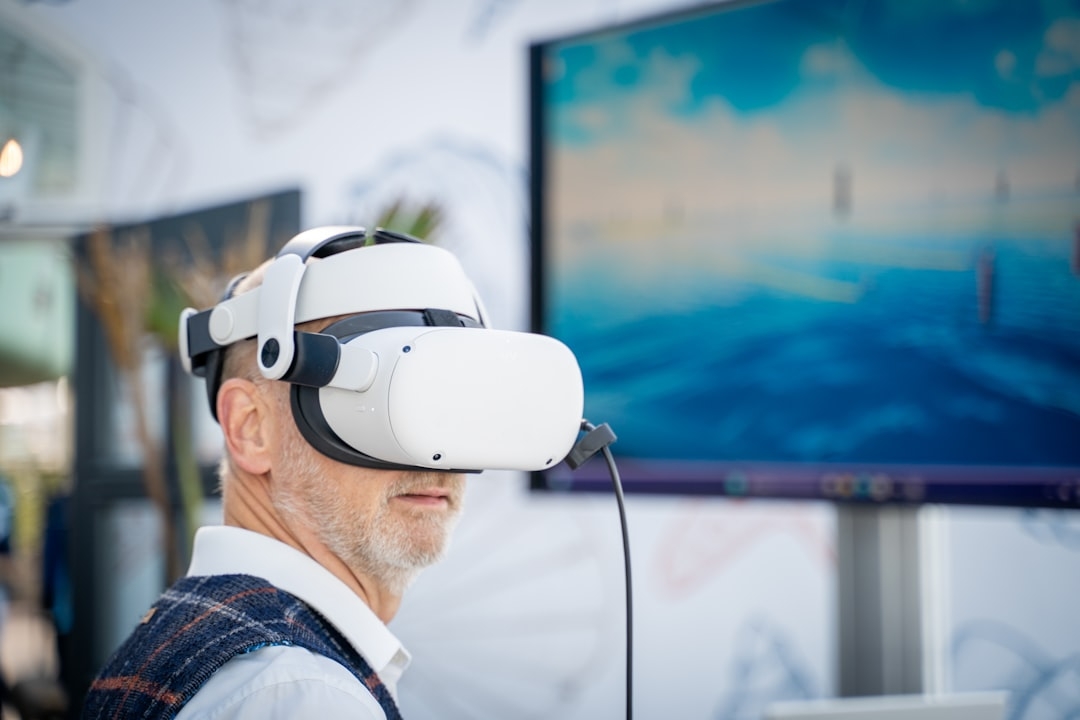
Meta’s massive $19 billion investment in VR last year highlights its dedication to shaping the so-called “metaverse” — an immersive digital universe accessed primarily through VR devices. The company envisions VR as the future hub for social interaction, entertainment, and productivity. However, the scale of financial losses and several waves of layoffs in its VR unit signal that the road to this vision is far from smooth.
The sheer size of these losses is noteworthy. Spending $19 billion means Meta is absorbing costs related to hardware development, software innovation, content creation, and expanding infrastructure. VR technology, while promising, demands huge upfront capital for research and development, marketing, and building a viable ecosystem that users will adopt.
Why hasn’t VR become more profitable yet?
Several factors explain why VR investments have not paid off quickly:
- High development costs: Designing VR headsets involves advanced hardware components like high-resolution displays, motion sensors, and custom chips, which are expensive to produce at scale.
- Limited market adoption: Despite interest, VR has a relatively small user base compared to smartphones or computers. Many consumers find current devices bulky or uncomfortable.
- Content ecosystem challenges: Without compelling apps, games, or social experiences tailored for VR, user engagement remains limited.
- Operational inefficiencies: Large corporate VR teams often face coordination and product strategy hurdles, which can slow innovation and increase overhead.
These challenges contribute to continuous financial outlays without immediate return.
What are the practical considerations for Meta moving forward?
When evaluating Meta’s VR path, consider these constraints:
- Time horizon: VR adoption is a long game, with major payoffs likely years away.
- Cost tolerance: Billions in losses require patience from investors and executives.
- Technological risks: Emerging competing technologies, such as augmented reality (AR) or mixed reality (MR), may eclipse VR as more user-friendly options.
- Market volatility: Consumer interest can shift rapidly, influenced by economic factors, competing platforms, and hardware affordability.
Is Meta’s VR strategy sustainable given these trade-offs?
Meta’s persistence shows confidence in the metaverse concept but reveals a strategy weighed down by risk. Spending billions to nurture a technology still in early adoption means Meta is betting on future ubiquity rather than short-term profit. Yet, repeated layoffs hint at internal adjustments to tighten resource use and streamline development.
Companies operating in VR must balance innovation speed with market readiness. Meta’s example illustrates the challenges of pioneering a technology that demands massive upfront investment yet depends on gradual user acceptance and ecosystem growth.
When should companies invest in VR technology?
For businesses or developers considering VR, timing is crucial. Early investment can secure technological leadership and develop expertise, but it risks extended periods of financial drag. Waiting until VR hardware and software mature might reduce risk but could mean missing first-mover advantages.
In practical terms, companies should evaluate their capacity for long-term investment and whether their target audience is prepared for immersive experiences. Corporate sectors like training, design, or gaming may find VR more immediately useful, while broader consumer markets remain cautious.
Key trade-offs to consider include:
- Financial resources: Can your organization sustain prolonged development without immediate profit?
- User readiness: Does your target market have access to VR hardware, and are they willing to engage deeply?
- Content strategy: Do you have compelling experiences or applications that leverage VR’s unique capabilities?
Practical considerations for assessing VR investment
Before committing to VR projects, analyze the following:
- Project timeline: VR development cycles can range from months to years.
- Cost breakdown: Consider hardware, software, marketing, and support expenses.
- Talent availability: Skilled VR developers and designers remain specialized and in demand.
- Competitive landscape: Identify competitors’ strengths and weaknesses and adjust your offering accordingly.
In many ways, VR investment resembles planting a sapling today for a forest decades away. It requires patience and realistic expectations.
What can be learned from Meta’s experiences?
Meta’s multi-billion-dollar VR losses underscore the complexities of defining new technology markets. Their story highlights that:
- Large sums don’t guarantee immediate success or market dominance.
- Technology adoption curves can be unpredictable, especially for hardware-centric platforms.
- Streamlining operations and retaining core talent amid layoffs may help stabilize innovation.
Meta’s journey offers a cautionary tale for any organization eager to jump too quickly into nascent tech without a clear, sustainable business model.
Ultimately, VR’s promise remains substantial, but commercial viability still requires overcoming significant user, content, and cost barriers — as Meta's 2023 financials clearly illustrate.
Decision Checklist: Should You Invest in VR?
- Assess your tolerance for sunk costs and delayed ROI.
- Evaluate the readiness and size of your target audience.
- Inventory your content or application ideas that can only succeed in VR.
- Consider partnerships to share risks and broaden reach.
- Plan incremental milestones rather than massive upfront deployments.
By systematically addressing these points, you can better decide if a VR gamble aligns with your strategic objectives or if patience and preparation will serve you better.
Technical Terms
Glossary terms mentioned in this article











Comments
Be the first to comment
Be the first to comment
Your opinions are valuable to us