
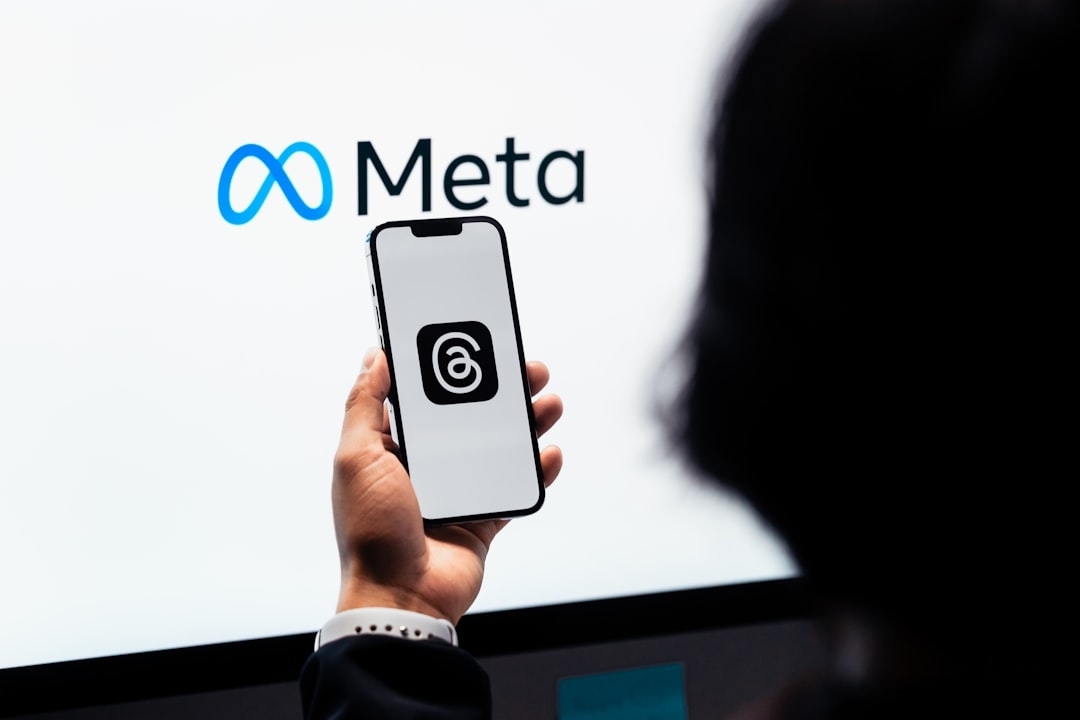
Why Is Meta Testing Premium Subscriptions Across Its Platforms?
Social media companies constantly innovate to keep users engaged and to boost revenue streams beyond advertising. Meta, the parent company of Instagram, Facebook, and WhatsApp, announced plans to explore premium subscription experiences on its flagship platforms. The goal is to offer users exclusive access to special features and more control over how they share and connect.
But what does this mean for the billions of users who already use these services for free? To understand the value and feasibility of these new premium options, it helps to examine what Meta is testing, the technical setup behind it, and its potential impact on users.
What Features Are Included in Meta's Premium Offerings?
Meta hasn't published an exhaustive list of features yet, but the key idea is a tiered experience. Paying subscribers may get perks unavailable to free users, such as advanced privacy settings, priority customer support, and enhanced post visibility.
This model mimics subscription services in other tech sectors where users pay for upgraded controls, ad-free experiences, or early access to new tools. For example, in streaming services, paying customers benefit from higher-quality streams and offline downloads—translating this concept to social media aims to offer increased functionality.
How Does Premium Access Give Users More Control?
One of the core promises revolves around more precise control over data sharing and connection settings. For instance, Instagram and Facebook premium subscribers might manage who sees their posts more granularly or customize notifications to prioritize connections they care about.
This move is significant because it tries to balance social platforms’ vast openness with user privacy desires. Technical terms like 'content visibility controls' refer to the ability to designate audience segments or apply filters that tailor who interacts with your content.
Why Is Meta Focusing on a Subscription Model Now?
Social networks' heavy reliance on advertising revenue has raised concerns amid changing regulatory and user sentiment regarding privacy and data usage. By experimenting with subscriptions, Meta diversifies income and responds to users willing to pay for enhanced experiences.
From a development perspective, subscription models allow faster iteration on features targeted at high-value users without disrupting the entire user base. It resembles software companies selling premium software licenses while maintaining free versions.
When Should Users Consider Subscribing to Meta’s Premium Services?
If you find yourself frustrated by ads, privacy limitations, or generic algorithmic feeds on Meta platforms, a premium subscription might offer tangible benefits. It particularly appeals to power users, influencers, or businesses that depend on targeted engagement.
However, casual users who use social apps mainly for basic sharing and communication may not need the extra features. It’s crucial to evaluate whether the premium controls and benefits align with personal usage patterns.
What Challenges Could Meta Face with Premium Subscriptions?
Implementing paid tiers in massive global platforms presents tough questions:
- Accessibility: Will users in developing markets be able or willing to pay for these services?
- Feature fragmentation: Offering different feature sets risks confusing or alienating free users.
- Trust: As subscriptions imply a closer relationship, any hiccups in privacy or billing could damage reputation.
Additionally, balancing free content and premium perks without eroding core user engagement is a delicate act. These challenges are common in subscription rollouts across tech industries.
How Does Meta’s Premium Model Compare to Other Platforms?
Platforms like Twitter and YouTube have already introduced subscription tiers, such as Twitter Blue and YouTube Premium, offering ad-free experiences and creator-support tools. Meta’s approach seems broader, spanning multiple apps with cohesive subscription benefits.
This interconnected premium ecosystem could encourage cross-platform loyalty but also requires seamless integration to succeed.
What Can Users Expect Going Forward?
Meta plans to test these premium subscriptions in the coming months, likely starting with select regions or user groups. This phased approach allows gathering feedback, resolving issues, and adjusting offerings.
For someone weighing subscription value, consider how these premium features might change your daily interactions, data privacy, and content control on social media platforms.
Key Takeaways for Evaluating Meta’s Premium Subscriptions
- Understand your usage: What frustrations or needs do you have on Instagram, Facebook, or WhatsApp?
- Check feature offerings: Are the exclusive controls and perks worth the subscription cost?
- Watch for rollout updates: Early testers’ feedback often reveals real-world strengths and weaknesses.
- Balance cost vs benefit: Consider if paid social media fits your personal or business goals.
Viewing Meta’s premium subscriptions through this practical lens aids decision-making amid evolving social media monetization trends.
Concrete Action: How to Evaluate if a Meta Premium Subscription Fits You
In 10-20 minutes, map your current pain points on Instagram, Facebook, and WhatsApp. Identify features you wish existed or were better controlled. Cross-reference these with available or announced premium perks from Meta. This quick analysis clarifies whether a subscription could enhance your experience significantly or remain unnecessary.
This exercise can help avoid paying for subscriptions that offer little real value, by aligning your social media habits with actual premium benefits offered.
Technical Terms
Glossary terms mentioned in this article











Comments
Be the first to comment
Be the first to comment
Your opinions are valuable to us