
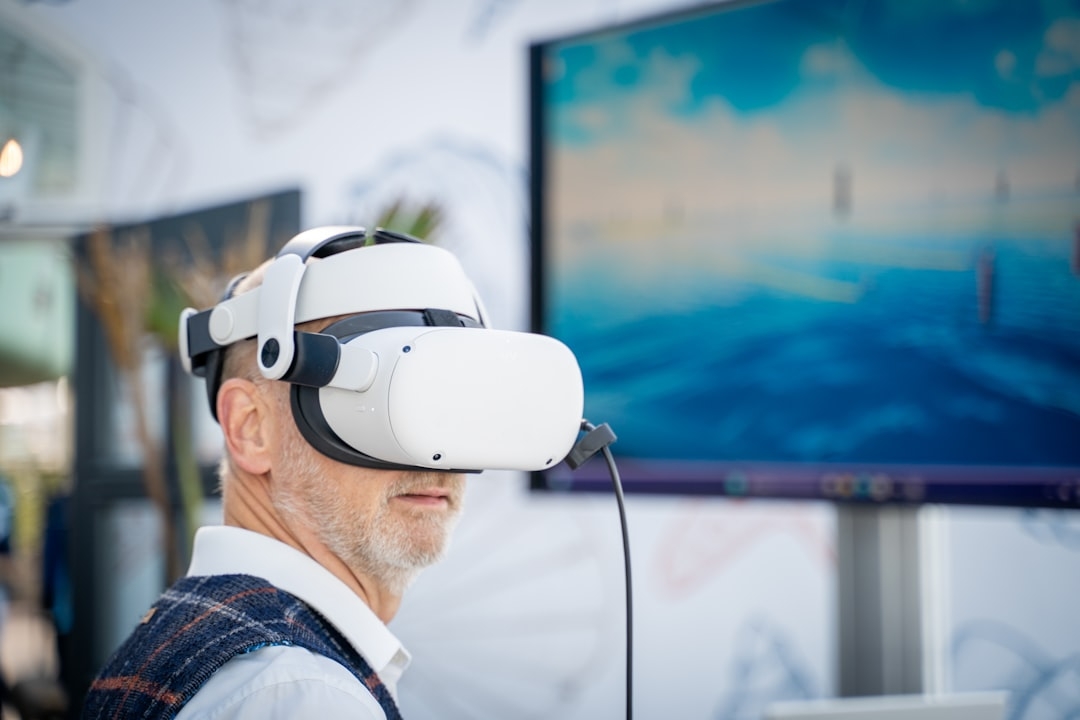
Has Meta’s vision for the metaverse just taken a major turn? Recent announcements show that Meta is shifting its Horizon Worlds platform to be “almost exclusively mobile,” while detaching its Quest VR headset platform from the virtual world experience. This move raises questions about the company's approach to virtual reality (VR) and the feasibility of its metaverse goals.
Understanding this shift is critical for anyone tracking XR (extended reality) technologies or investing in the metaverse hype. What does Meta’s decision say about the realities of VR adoption and the technical and business challenges the company faces?
What Led Meta to Move Horizon Worlds from VR to Mobile?
Meta’s Horizon Worlds was originally designed as a cornerstone for their metaverse: an immersive, shared VR space, accessible through the Quest VR headset. However, recent statements reveal a strategic pivot where Horizon Worlds is becoming “almost exclusively mobile.”
This shift suggests several underlying considerations:
- Accessibility: Mobile devices reach billions worldwide, unlike specialized VR headsets, which remain expensive and niche.
- User Experience Challenges: VR platforms still struggle with comfort, hardware limitations, and content diversity that appeal to broader audiences.
- Market Adoption: Despite Meta’s heavy investment, consumer VR growth has been slower than expected.
By targeting mobile, Meta likely aims to expand Horizon Worlds’ reach without waiting for VR hardware saturation.
How Does Separating Quest VR Affect Meta’s Metaverse Strategy?
The other half of Meta’s announcement involves decoupling the Quest VR headset platform from Horizon Worlds—meaning the VR hardware experience becomes more independent from the virtual social platform.
This separation might indicate:
- A focus on VR hardware development as a standalone business, possibly emphasizing gaming or other VR use cases outside the metaverse social experience.
- Recognition that the current VR platform isn’t ready to deliver the seamless, large-scale virtual world experience Meta initially envisioned.
It signals a pragmatic approach, acknowledging that VR and the metaverse may need different development timelines and strategies.
What Are the Practical Considerations of Meta’s Shift to Mobile?
Moving Horizon Worlds to mobile brings its own challenges and trade-offs. Although mobile offers accessibility, it limits immersion and presence—the very reasons VR was seen as vital for the metaverse vision.
Cost and Development: Mobile VR’s lower hardware cost reduces entry barriers but requires redesigning interfaces and experiences for touchscreens rather than VR controllers and spatial tracking.
User Engagement: The lack of full immersion might lower engagement intensity, which could affect social connections and content creation incentives within Horizon Worlds.
Technical Constraints: Mobile devices have less computational power and graphics capability, potentially restricting the complexity and scale of virtual environments.
Meta must weigh these trade-offs carefully, balancing reach against the quality of the metaverse experience.
Is VR Technology Currently Ready to Support Meta’s Metaverse Dream?
From a technical standpoint, VR has profound potential but serious limitations:
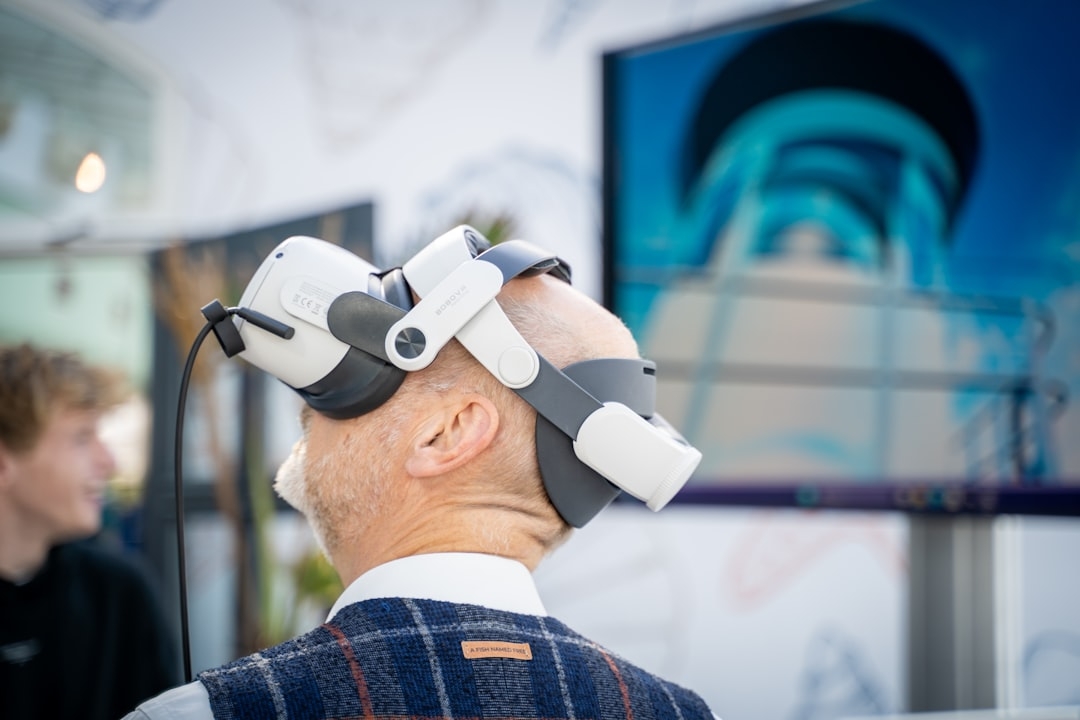
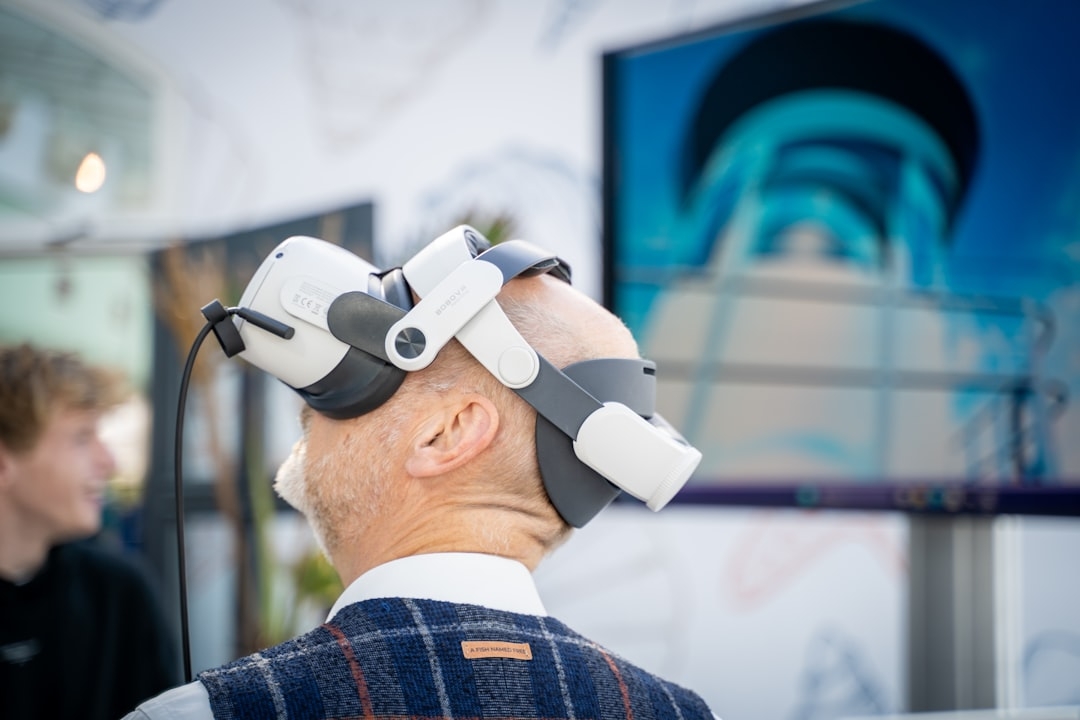
- Hardware Limitations: Headsets like Meta Quest still grapple with battery life, weight, heat, and display resolution issues.
- Content Ecosystem: Large-scale, user-generated VR environments are complex to build and maintain, requiring advanced tools and incentives for creators.
- User Fatigue: Wearing headsets for extended periods causes discomfort and eye strain, limiting session lengths.
For these reasons, mainstream adoption—required for the metaverse’s social network vision—is still distant. Meta’s move to mobile could be viewed as a tactical retreat while VR hardware and software evolve.
How Should Businesses Evaluate Meta’s Metaverse Direction?
When assessing whether to invest in or develop for Meta’s metaverse platforms, consider these factors:
- Target Audience Reach: Mobile users vastly outnumber VR headset owners today.
- Experience Trade-offs: Mobile can’t yet replicate the immersive social presence VR enables.
- Development Costs and Skills: Shifting platforms requires different development expertise and tools.
- Market Maturity and Timing: The VR ecosystem remains immature; patience may be required.
Understanding these constraints helps identify whether an organization should prioritize mobile metaverse offerings, VR experiences, or a hybrid approach.
Practical Considerations
- Timeframe: Expected VR adoption rates remain gradual; plan projects with realistic timelines.
- Costs: Developing for VR demands more specialized hardware and talent than mobile.
- Risk: The metaverse concept is evolving, with no clear winner platform; investments carry uncertainty.
- Constraints: Hardware limitations, user comfort, and content moderation still pose challenges.
How Can You Quickly Evaluate the Feasibility of Meta’s Approach for Your Context?
Here is a simple 3-step framework to assess Horizon Worlds’ mobile-first strategy and Meta’s VR separation in your own work or business:
- Identify Your Target Users: Are they more reachable on mobile, or likely VR early adopters?
- Match Experience Requirements: Does your project need full VR immersion, or is a mobile interface sufficient?
- Assess Development Readiness: Do you have access to VR-specific resources, or mobile development skills?
Within 10-20 minutes, this quick evaluation can help clarify whether to focus effort on mobile platforms or stay patient with VR innovations.
Meta’s decision to shift Horizon Worlds to mobile exclusive use and separate Quest VR reflects the very real struggles and recalibrations in metaverse development. While VR remains a promising technology, mobile’s ubiquity offers a pragmatic path for expanding virtual worlds today. Understanding these trade-offs is essential before diving in.
Technical Terms
Glossary terms mentioned in this article






Comments
Be the first to comment
Be the first to comment
Your opinions are valuable to us