
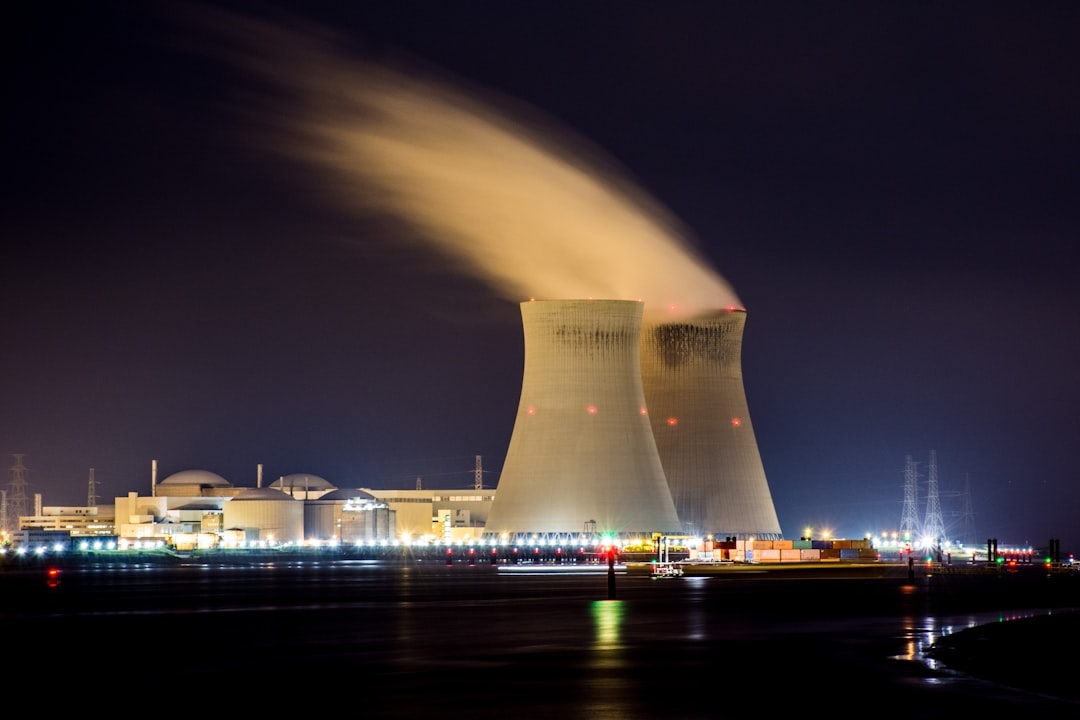
In a world scrambling for reliable and clean energy, Meta’s recent agreements with nuclear companies mark a significant development. The tech giant has secured deals totaling over 6 gigawatts (GW) of nuclear power capacity—a bold step that stands out in an era when renewable sources like solar and wind often dominate the conversation. But how effective is nuclear power in meeting the enormous energy demands of today’s technology infrastructure? And what lessons can others learn from Meta’s approach?
Why Did Meta Choose Nuclear Power?
Meta’s decision to partner with nuclear energy providers is intriguing, especially in an age where solar and wind projects grab headlines for being sustainable and increasingly affordable. Nuclear power plants operate by harnessing energy from atomic reactions—a process called nuclear fission. This method produces massive amounts of electricity without carbon emissions during operation, making it an attractive option for companies aiming to cut carbon footprints dramatically.
Meta signed deals with three companies: two innovators in nuclear technology, Oklo and TerraPower, along with Vistra, a large energy company. Together, these deals represent over 6 GW of power, which is huge—roughly equivalent to powering several large cities. For context, 1 GW can typically power around 700,000 homes.
How Does Nuclear Energy Work, and Why Is It Considered?
Nuclear energy is generated when the nucleus of an atom, typically uranium or plutonium, splits in a controlled reaction. This splits atoms release heat, which heats water to produce steam, driving turbines connected to generators. One major advantage over solar or wind energy is nuclear’s ability to provide consistent, large-scale power without the intermittency problems that renewable sources often face.
However, nuclear plants also have criticisms, such as long construction times, high upfront capital costs, radioactive waste disposal challenges, and public safety concerns. These factors require careful consideration.
How Practical Are These Deals in Real-Life Energy Strategy?
Signing a deal for power generation capacity is quite different from deploying it effectively. The nuclear industry has faced several setbacks over decades related to delays, cost overruns, and public opposition. Fast-forwarding from agreements to actual operational plants can take years, sometimes over a decade.
Still, the companies Meta chose bring promising technologies to the table. For example, Oklo and TerraPower are focused on developing next-generation nuclear reactors—small modular reactors (SMRs) or advanced designs that promise faster deployment and potentially improved safety features compared to traditional large plants. Vistra, meanwhile, is a major existing energy player likely to complement these innovations with experience and scale.
But skepticism is warranted: While advanced reactors sound promising on paper, none have yet significantly scaled to commercial deployment. There’s a history in the nuclear sector of optimistic timelines failing to materialize.
What Are the Trade-Offs Meta Is Navigating?
- Scale vs. Timelines: Large nuclear projects mean massive power, but typically require 8-15 years from planning to operation.
- Cost vs. Carbon Impact: Nuclear plants have high upfront costs but offer very low operational carbon emissions.
- Technology Risk: Next-gen reactors promise safety and efficiency, but being less mature technologies introduces uncertainty.
- Public Perception: Safety and waste concerns generate resistance that can slow or halt projects.
Meta’s deals likely reflect a long-term bet—where traditional renewables may struggle to provide steady power at scale for data-heavy operations, nuclear energy could fill a vital gap decades down the line.
What Practical Considerations Should Be Accounted For?
Meta’s journey highlights several practical constraints that anyone evaluating nuclear energy should understand:
- Time Horizon: Expect at least a decade before nuclear power from these deals significantly impacts Meta’s energy use.
- Cost Structure: Initial investments dwarf those in solar or wind farms, requiring patient capital.
- Regulatory Risk: Nuclear projects involve complex approvals and strict safety regulation, which can delay implementation.
- Infrastructure Requirements: Nuclear plants need robust supporting infrastructure and skilled operators, unlike modular solar installations.
Hence, integrating nuclear power is less about quick wins and more about strategic positioning for a zero-carbon future.
When Should You Consider Nuclear Power for Your Energy Needs?
If your organization demands continuous, high-volume electricity without depending solely on intermittent renewables, nuclear power can be attractive—provided you are prepared for the scale and timescale of the investments. Advanced reactors could lower some barriers, but these technologies remain in the early commercial phase.
Ask yourself:
- How critical is consistent, stable power for operations?
- Can the organization afford longer project timelines?
- Is there risk tolerance for emerging nuclear technologies?
- Are regulatory paths sufficiently clear and stable?
What Finally Worked for Meta and Similar Players?
Meta’s agreement approach combines established and novel players, increasing odds of success and balancing risk. Partnering with a major player like Vistra provides experience and infrastructure, while Oklo and TerraPower offer innovation potential. This blended strategy recognizes no single nuclear technology is a silver bullet.
The combined 6+ GW capacity deal points to Meta’s acknowledgment that reliance on only renewables will not suffice long-term for their energy-heavy operations.
Key Takeaways From Meta’s Nuclear Power Deals
- Scale is key: 6 GW matches large urban energy consumption, showing serious commitment.
- Long-term perspective: Nuclear energy is a medium- to long-term solution, not short-term instant impact.
- Risk balancing: Working with multiple nuclear developers mitigates risks related to new technology adoption.
- Public and regulatory hurdles remain significant: These have historically slowed nuclear projects.
Concrete Evaluation Framework: Is Nuclear Power Right for You?
In about 20 minutes, you can evaluate nuclear energy’s fit for your context:
- Assess Energy Demand: Calculate baseline continuous power needs (in GW or MW).
- Project Time Horizon: Consider your organization’s planning horizon (10+ years needed for nuclear).
- Capital and Operational Budget: Compare upfront costs of nuclear vs. renewables and energy storage solutions.
- Technology Risk Appetite: Evaluate capability and readiness to engage with emerging nuclear tech suppliers.
- Regulatory Environment: Research local nuclear regulations and approval complexity.
This systematic assessment helps distinguish if nuclear power is a feasible, value-adding option or if alternatives should take precedence.
Ultimately, Meta’s deals are a clear signal that nuclear energy remains a compelling piece of the sustainability puzzle, particularly for energy-intensive industries. The path is long and complex—but potentially highly rewarding for those who navigate it with open eyes and pragmatic strategies.
Technical Terms
Glossary terms mentioned in this article







Comments
Be the first to comment
Be the first to comment
Your opinions are valuable to us