

As Snap prepares for the public launch of its highly anticipated VR glasses, an unexpected change in leadership has raised questions about the company's future direction. One of the key executives leading the Specs project has left Snap at a crucial moment, leaving the tech community to wonder how this will impact the product and company strategy.
Why is the Departure of a Top Specs Executive Significant?
The Specs project represents Snap's entry into virtual reality hardware, aiming to innovate in a competitive market that includes giants like Meta and Apple. The executive’s role was central to guiding the final development stages and ensuring a smooth public release.
Leadership in such hardware projects is often pivotal for maintaining momentum and quality control. Losing a top leader can generate uncertainty within teams, potentially causing delays or shifts in project focus. At the same time, it opens up opportunities for fresh perspectives but also carries risks, especially with a product as complex as VR glasses.
How Does Snap’s VR Glasses Project Compare to Other Market Players?
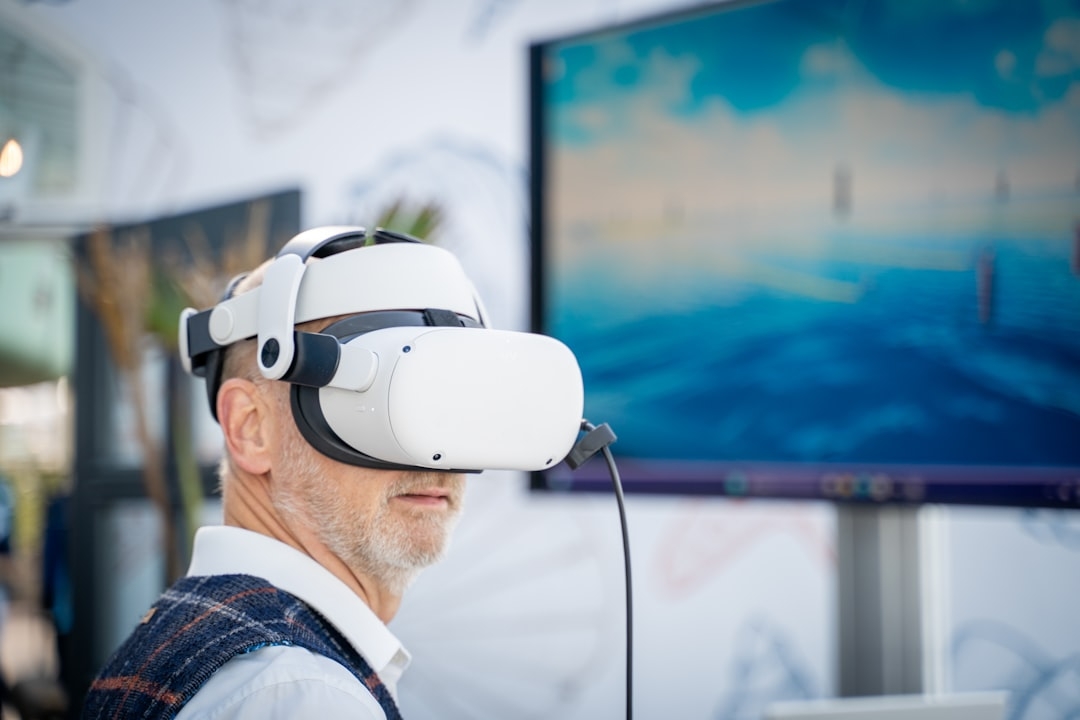
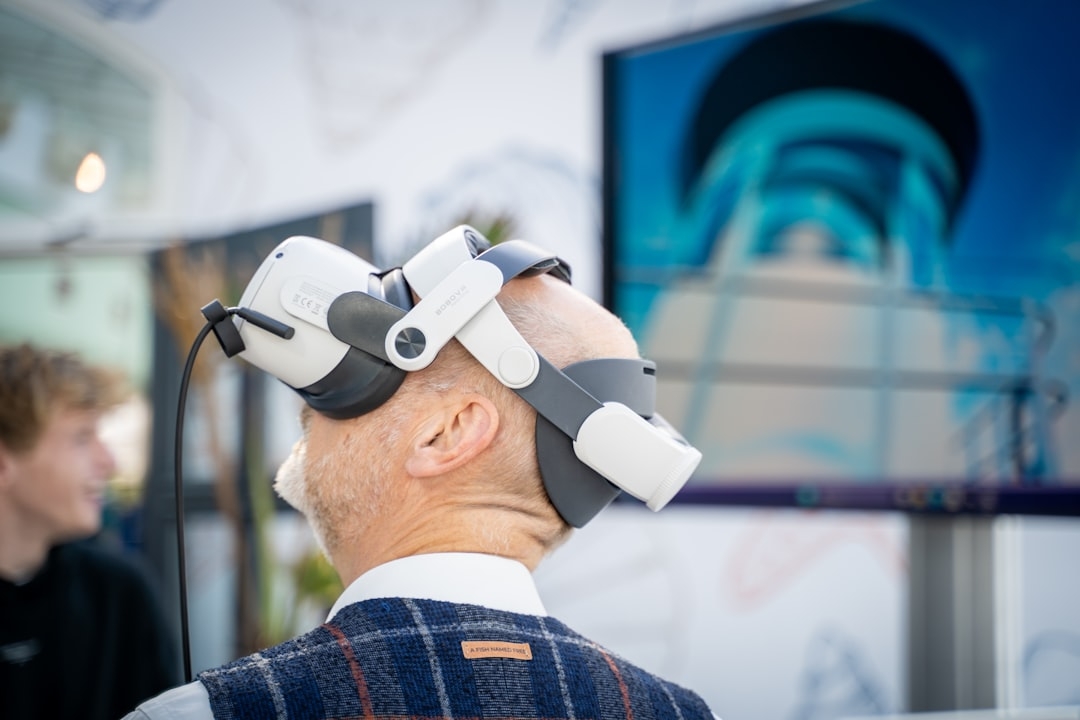
Snap’s VR glasses leverage augmented reality (AR) and virtual reality (VR) technologies to offer a unique social media experience combined with immersive visuals. Unlike pure VR headsets focusing solely on gaming or enterprise use, Snap’s approach integrates real-world interaction with digital augmentation.
This positioning demands cutting-edge optics and software integration—the kind of challenges that require steady, expert leadership for long-term success. Competitors like Meta's Quest or Apple’s rumored AR/VR devices benefit from established ecosystems and resources, making Snap’s Specs project daring but also vulnerable to leadership shifts.
What Are the Core Trade-offs Snap Faces After This Executive’s Exit?
When a key executive leaves, projects often face trade-offs:
- Speed vs. Stability: Snap might rush to meet deadlines risking quality issues, or slow down to adjust leadership, potentially missing market windows.
- Innovation vs. Consistency: New leadership may introduce fresh ideas but risk coherence with the original vision.
- Team Morale vs. Restructuring: Sudden change can disrupt team dynamics, affecting productivity.
For the Specs project, these trade-offs are particularly acute given the hardware complexity and imminent launch.
How Does Leadership Impact Hardware Projects Like VR Glasses?
Hardware development in VR is technically demanding—involving optics, sensors, hardware miniaturization, and custom software. A leadership figure helps coordinate these diverse specialties, align with business goals, and troubleshoot integration bottlenecks.
Disruptions in leadership can result in missed technical nuances or communication gaps. For example, failing to address a sensor calibration issue due to fragmented oversight can cascade into costly product flaws.
What technical skills does a Specs exec bring?
Typically, a Specs executive would have expertise in areas like computer vision, hardware design, and product management. They also balance technical trade-offs like battery life versus performance, and ergonomics versus aesthetics.
What Should Snap Do Next to Mitigate Risks?
To navigate this leadership challenge, Snap should consider the following actions:
- Identify and empower a capable internal leader familiar with Specs intricacies.
- Maintain transparent communication with teams to mitigate morale impact.
- Revisit project timelines to ensure quality is not compromised.
- Engage external experts or advisors if specialized knowledge gaps appear.
These measures help maintain project momentum and safeguard product integrity despite the turnover.
How Can Consumers and Investors View This Development?
From an external standpoint, leadership changes can signal volatility, but they do not necessarily doom a project. Many successful hardware products have faced internal shake-ups before launch.
Consumers should watch for official announcements about delays or feature changes. Investors might reassess risks but also look for Snap’s strategy transparency, which can build confidence.
Why Do Leadership Changes Often Occur Before Product Launches?
It’s common for executives to leave during intense product cycles due to stress, differing strategic visions, or better opportunities elsewhere. The VR space’s rapid evolution also means companies must stay agile, sometimes reshuffling key roles to stay competitive.
Understanding these dynamics underscores why Snap’s situation, while critical, is not unique in tech history.
Deciding Your Next Step: Should You Wait for Snap’s VR Glasses?
If you’re considering investing in Snap’s technology or adopting its VR glasses early, weigh these factors:
- Current project stability and leadership clarity
- Comparative maturity of competitors’ VR products
- Your tolerance for early adopter risks and potential delays
Waiting for more user reviews post-launch may be prudent, especially as hardware needs stable support.
What checklist can you use to decide now?
- Has Snap communicated a clear roadmap post-executive departure?
- Are there signs of delayed releases or feature cuts?
- What is the competitive landscape like for similar VR products?
- Do you need immediate VR capability, or can you wait?
Answering these questions will help you make an informed decision about engaging with Snap’s VR ecosystem.
Summary
Snap’s loss of a top Specs executive just before launching its VR glasses introduces both uncertainty and opportunity. The impact hinges on how effectively the company manages project leadership continuity, communicates with stakeholders, and aligns its technical development strategies moving forward.
Leadership changes pose risks, especially in complex hardware projects, but they can also catalyze renewed focus if handled carefully. For consumers and investors, monitoring Snap’s next steps will clarify whether the Specs glasses fulfill their promise in the burgeoning VR market.
For those intrigued by Snap’s VR future, applying a clear assessment matrix can guide whether to engage now or watch for more stable outcomes.
Technical Terms
Glossary terms mentioned in this article









Comments
Be the first to comment
Be the first to comment
Your opinions are valuable to us