
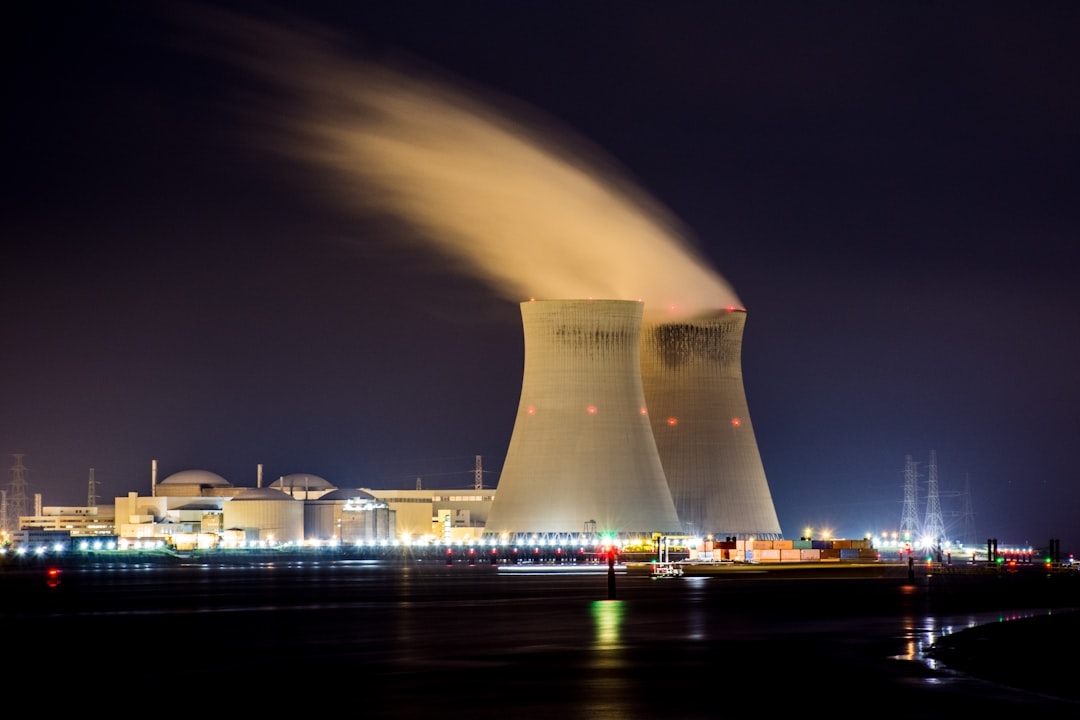
What happens when the rules that keep nuclear reactors safe are loosened? Recently, the U.S. Department of Energy (DOE) took steps to relax safety regulations for nuclear reactors located on its property. This includes reactors under development by startups, which are part of a new wave of nuclear innovation.
The decision has sparked significant debate, highlighting a critical balance between innovation and safety in the nuclear sector.
Why Did the DOE Loosen Nuclear Safety Rules?
The primary intent behind easing these regulations is to accelerate the development of advanced nuclear reactors, particularly those built by startups on DOE premises. These new reactors often employ innovative designs that don't fit neatly into existing regulatory frameworks originally designed for large, traditional power plants.
By relaxing these rules, the DOE hopes to reduce bureaucratic hurdles that can slow down research and deployment, enabling faster progress toward cleaner energy.
How Does This Change Affect Nuclear Safety?
Nuclear safety traditionally relies on stringent rules and rigorous oversight to prevent accidents, radioactive leaks, and other risks. The regulations typically cover reactor design, construction, operation, and emergency response.
Loosening these rules means fewer mandatory safety checks and potentially more flexibility in how reactors are developed and run. While this might foster innovation, it also raises concerns about whether the same safety standards will be maintained.
What Are the Technical Terms Involved?
- Reactor Safety Rules: Measures and protocols ensuring that nuclear reactors operate within safe limits.
- Advanced Reactors: New types of nuclear reactors that often use different fuel types or cooling methods compared to traditional reactors.
- Department of Energy Property: Sites owned and managed by the DOE, including research laboratories and test facilities.
What Does This Mean for Startups Building Nuclear Reactors?
Many startups are working on cutting-edge nuclear technologies, aiming to create smaller, safer, and more efficient reactors. The DOE’s relaxed rules apply directly to these projects, which are often located on DOE property.
With fewer regulations, startups might be able to prototype and test reactors more quickly, saving time and money in development phases. However, this could also mean taking on greater risks or operating with less external oversight.
When Should You Be Concerned About Safety?
If you are involved in nuclear technology innovation, it’s important to carefully assess how these regulatory changes affect risk management. The absence of some traditional safeguards might be justified by newer safety technologies or designs but demands diligent oversight internally.
For the public and policymakers, understanding exactly what rules are loosened and how startups compensate is crucial in maintaining trust in nuclear advancements.
How Does the New Rule Implementation Work?
The relaxed rules specifically apply to reactors on DOE-managed land. This means the Energy Department has more direct control and can tailor safety requirements based on the specific reactor design rather than following a one-size-fits-all federal standard.
This departmental control allows for experimental approaches to safety, which might not yet be approved for nationwide commercial use. It’s a testbed model designed to foster innovation with controlled risk.
What Are Real-World Examples of This Change?
Several startups currently operate nuclear projects at DOE sites. For instance, companies developing small modular reactors (SMRs) or molten salt reactors benefit from this regulatory flexibility. These startups claim that the new rules will enable them to cut development times from decades to just a few years.
However, there have been instances in other industries where relaxed oversight led to unforeseen problems in production and safety, illustrating that this approach carries inherent trade-offs.
Are Relaxed Nuclear Rules a Good Trade-Off?
Think of it like allowing a sports car to be driven on a test track with fewer safety barriers to push performance limits. The reduced restrictions can lead to faster progress but at increased risk of mishaps. The question becomes whether the innovations produced justify the risks.
In nuclear technologies, the stakes are particularly high because of potential environmental and health risks, so the balance must be carefully weighed.
How to Evaluate Whether Relaxed Nuclear Safety Rules Work for You?
If you’re involved in nuclear innovation, policy, or investment, consider this simple framework:
- What specific rules have been changed, and how do they impact safety protocols?
- What new safety technologies or designs compensate for reduced regulations?
- How transparent is the startup or DOE project regarding safety testing and incident reporting?
- Are independent expert reviews part of the development process?
- What emergency preparedness plans exist if something goes wrong?
By answering these questions, you can form a solid judgement about the feasibility and safety of these new nuclear projects.
Final Thoughts on DOE’s Nuclear Safety Rule Changes
The DOE’s decision to loosen nuclear safety rules on its property signals a shift toward faster technological innovation and commercialization in nuclear energy. While it offers startups an opportunity to bring disruptive nuclear tech to market sooner, it inevitably involves carefully balancing innovation speed with maintaining robust safety standards.
For stakeholders and observers, transparency and continuous evaluation of these changes will determine if this trade-off leads to progress without compromising safety. Adopting a structured evaluation mindset can help you navigate this complex evolution in nuclear regulation effectively.
Technical Terms
Glossary terms mentioned in this article










Comments
Be the first to comment
Be the first to comment
Your opinions are valuable to us