
The Changing Face of Energy in America
The US energy landscape is undergoing a significant transformation. While coal-fired power plants rapidly close, the country’s commitment to nuclear energy is growing. At the same time, electricity-hungry data centers are drawing attention and pushback over their environmental footprint.
This shift highlights the intense competition among energy sources, marking a new battleground in how America powers its future.
Why Is Nuclear Energy Gaining Momentum?
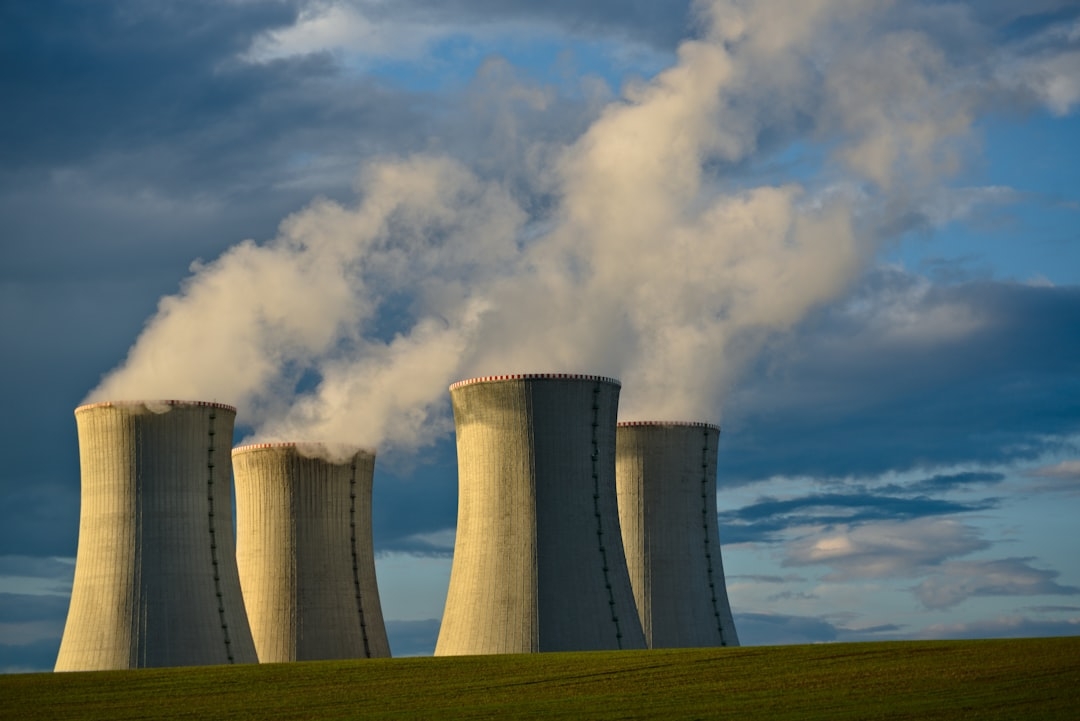
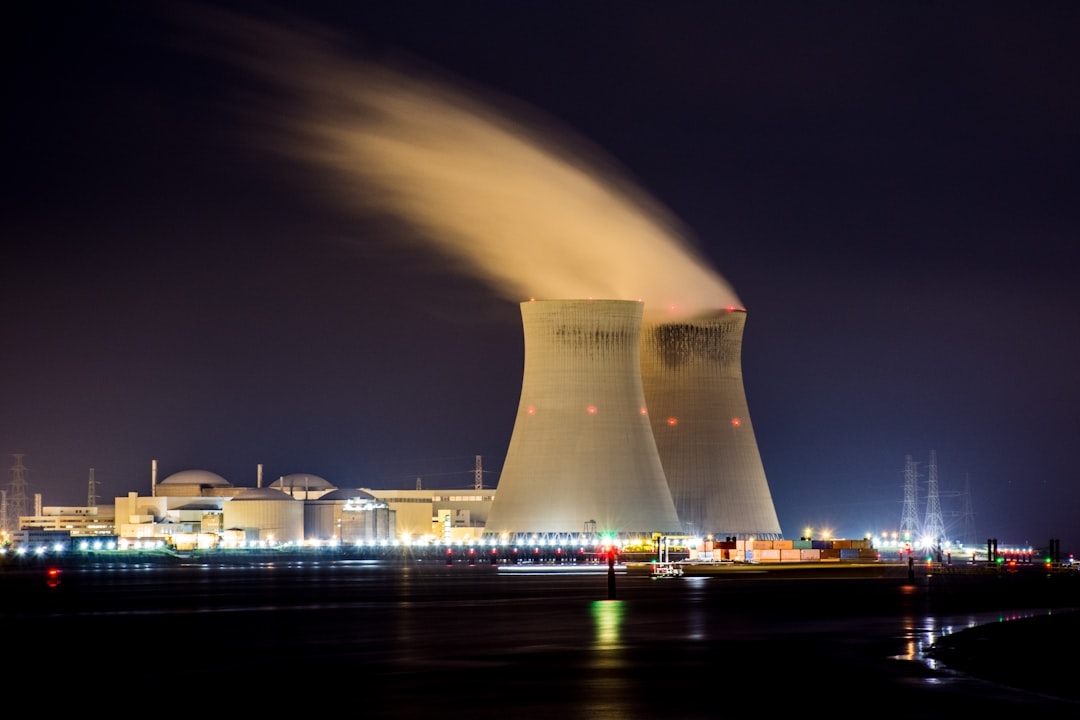
Nuclear energy offers a reliable, low-carbon power source that is proving essential as the nation moves away from coal. Unlike solar or wind power, nuclear plants provide constant energy output, unaffected by weather or daylight. This stability is vital for maintaining a consistent electricity supply across the grid.
Advanced nuclear technologies are also changing the game. New reactors promise improved safety and efficiency, with designs that reduce waste and lower costs. These innovations drive increased government support and investment, fueling the nuclear resurgence.
What Happened to Coal?
Coal plants, once the backbone of America’s electricity, are rapidly becoming obsolete. This decline results from strict environmental regulations, falling renewable costs, and growing public concern about pollution and climate change. Coal’s high carbon emissions make it less attractive amid efforts to reduce greenhouse gas output.
Coal phase-out is also a result of economic realities. Running and maintaining aging coal plants is expensive, especially compared to cheaper natural gas and renewables.
How Are Data Centers Impacting the Energy Debate?
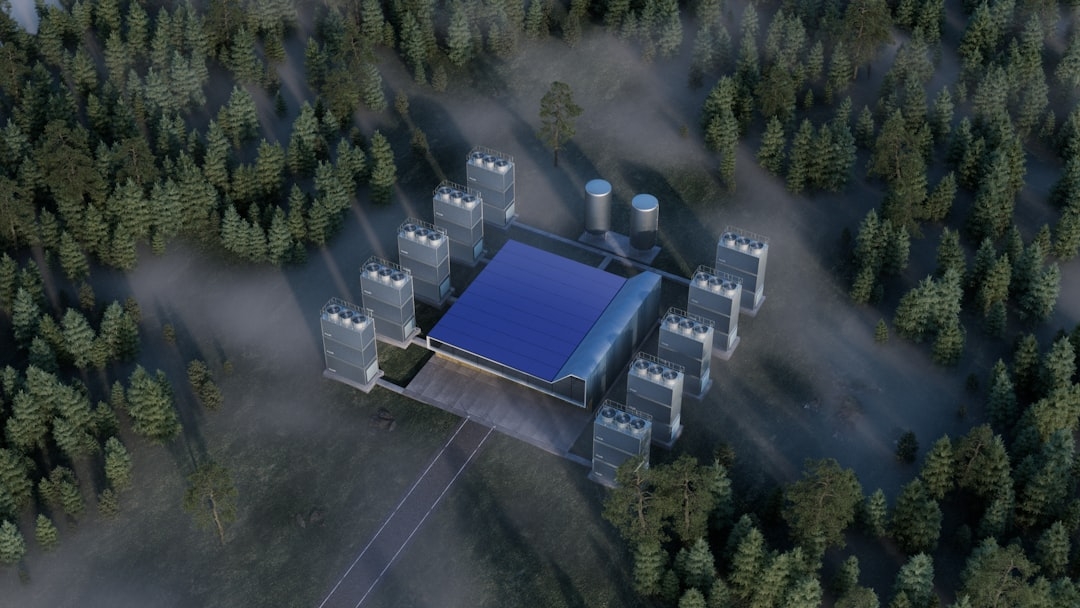
Data centers are known for their massive electricity consumption to keep servers and cooling systems running 24/7. This growing demand raises concerns about their sustainability, especially in regions where the grid depends heavily on fossil fuels.
Communities and regulators are increasingly scrutinizing data centers, pushing for energy-efficient designs and renewable energy sourcing. This pressure challenges tech companies to innovate, balancing their digital growth with environmental responsibility.
Can Data Centers Become More Sustainable?
Some operators are investing in renewable energy contracts and improving cooling technologies to reduce their carbon footprint. However, the challenge remains tough because the demand for data processing only grows, driven by applications like AI, streaming, and cloud computing.
Quick Reference: Key Takeaways
- Nuclear energy is gaining support due to its reliability and low carbon emissions.
- Coal plants are closing because of economic and environmental pressures.
- Data centers face scrutiny for their high energy use but are pushing toward greener solutions.
- The energy battle is not just about technology, but also about policy, public opinion, and economics.
How Does the Shift in Energy Sources Affect the Grid?
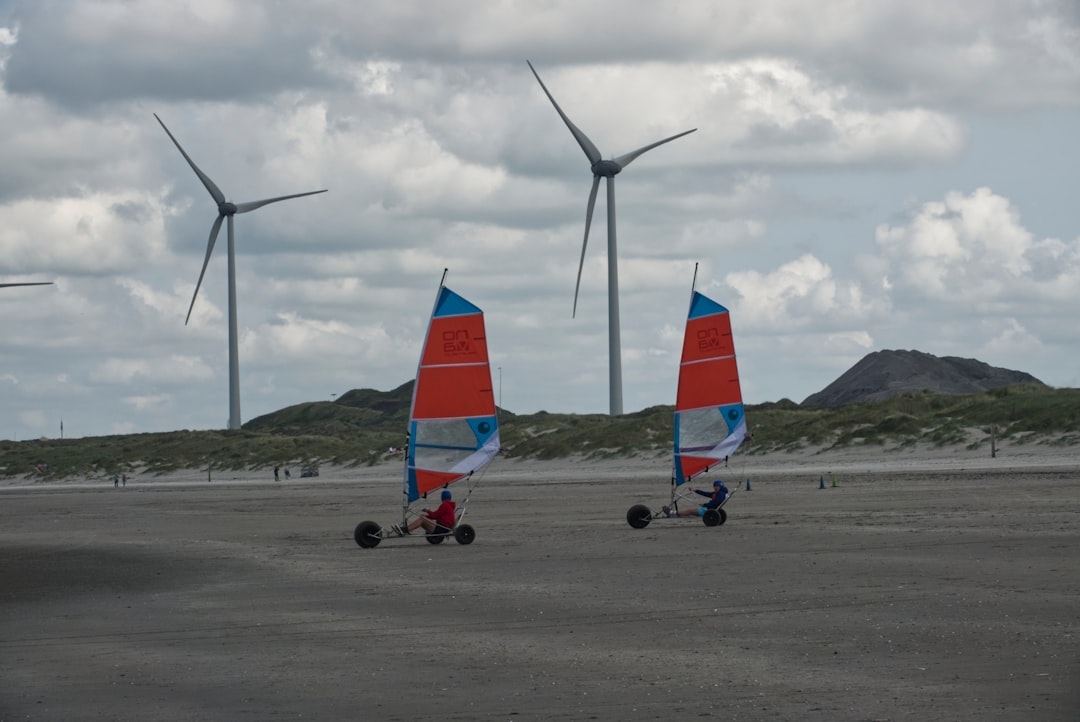
The transition from coal to nuclear and renewables brings grid stability challenges. Nuclear’s consistent output helps stabilize the electricity supply, while renewables add variability due to their dependence on weather conditions.
This mix requires sophisticated grid management and energy storage solutions to ensure reliable power delivery. Failure to address these issues can lead to blackouts or wasted energy.
When Should Regions Consider Nuclear Over Other Options?
Deciding when to invest in nuclear energy depends on factors like grid demand, local resources, and policy support. Areas with high energy needs and limited renewable resources may benefit most from nuclear plants.
However, upfront costs and long planning timelines mean nuclear is a long-term solution, not a quick fix. It complements rather than replaces solar, wind, or natural gas.
Final Thoughts on America’s Energy Transition
The US energy future is a balancing act among competing needs and constraints. Nuclear power is emerging as a contender that addresses reliability and emissions but comes with high costs and complex regulation.
Meanwhile, coal’s exit and the data center energy demand spotlight the trade-offs in environmental impact, economics, and technology readiness. Understanding these dynamics helps stakeholders make informed decisions for a sustainable energy future.
Next Steps: Your Energy Decision Checklist
To navigate this complex landscape, consider these questions:
- What are your region’s current and projected energy demands?
- How reliable is the local renewable energy supply?
- What is the regulatory environment for nuclear and fossil fuels?
- Can your infrastructure support large-scale battery or energy storage?
- What are the economic trade-offs between upfront costs and long-term savings?
Answering these questions in 15-25 minutes can guide whether to prioritize nuclear, renewables, or other energy investments.
Technical Terms
Glossary terms mentioned in this article








Comments
Be the first to comment
Be the first to comment
Your opinions are valuable to us