
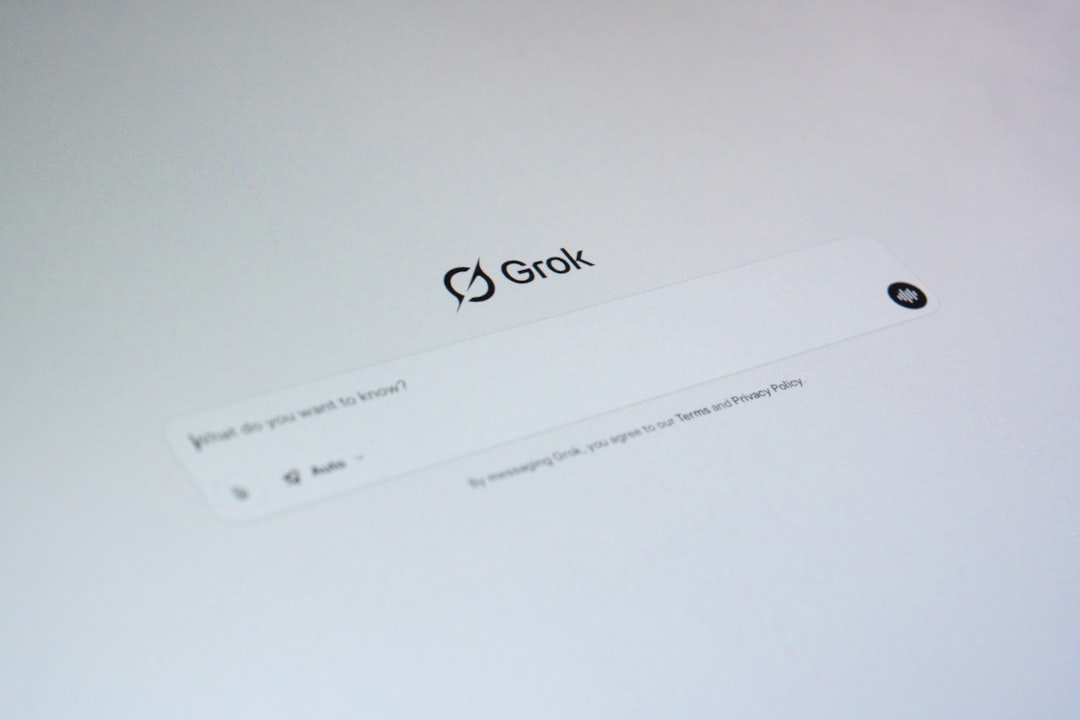
The world of AI-generated images has rapidly evolved, capturing the attention of millions through creative and interactive tools. X, led by Elon Musk, introduced Grok's image generation, a feature that quickly stirred global controversies. Due to intense criticism, X has now restricted access to this feature to paying subscribers only, raising questions about the balance between innovation and responsible AI usage.
What Caused X to Restrict Grok's Image Generation?
Grok’s image-generation tool, incorporated within the X platform, allowed users to create images using artificial intelligence. This feature became popular for its creative potential but also faced backlash. Critics pointed out concerns related to copyright issues, inappropriate or harmful content, and misuse by bad actors. These challenges highlighted the difficulty in moderating AI-generated content on a vast social platform.
As a response, X decided to preserve the tool’s availability for paying subscribers only. This approach helps mitigate misuse by introducing a tiered access model, ensuring that users who financially commit are more accountable. It also enables X to better control resources and potentially improve the product quality for these subscribers.
How Does Grok’s Image Generation Feature Work?
Grok leverages advanced machine learning algorithms to transform textual prompts into visually creative images. This is powered by deep neural networks trained on large datasets containing images and corresponding descriptions, allowing Grok to understand and generate relevant visuals based on user input.
Image generation AI uses a subfield called generative adversarial networks (GANs) or diffusion models to create new images. These models “learn” the style, forms, and patterns from training data and then produce new content that aligns with user prompts. Grok applies such techniques to offer users quick, on-the-fly image creation directly within the X platform.
Where Does Grok’s Image Generation Shine?
Grok’s feature excels in creative freedom and immediacy. Users appreciated the ability to convert their ideas into images instantly without complex software. It opened new opportunities for illustrators, marketers, and casual users seeking fast visual content.
Moreover, integrating image generation within a social media platform encourages sharing and interactive storytelling, merging AI technology with everyday communication. For paying subscribers, the benefit extends to higher usage limits and potentially improved image resolution.
What Are the Limitations and Common Mistakes?
Despite its strengths, Grok’s image generation faces challenges:
- Content Moderation: AI-generated images can sometimes produce inappropriate or biased content, difficult to filter at scale.
- Copyright Concerns: The training datasets often contain copyrighted works, leading to disputes over image originality.
- Overreliance on AI: Users might expect perfect results every time, but AI outputs can be inconsistent or lack detail.
- Subscription Barrier: Restricting to paying subscribers limits access, frustrating those who used the tool freely before.
Common mistake: Assuming AI-generated images can fully replace human creativity without quality trade-offs. Effective use involves combining AI outputs with human editing.
Are There Alternatives to Consider?
Users seeking AI image-generation tools beyond Grok’s subscription can explore widely available platforms that offer free or freemium options:
- DALL·E 3 by OpenAI: Offers image creation with strong moderation and creative controls.
- Stable Diffusion: An open-source model used widely for customizable AI image generation.
- Midjourney: Popular among artists, providing a community-driven environment with paid tiers.
Each alternative carries its own strengths and user policies, so it's essential to evaluate which matches your needs and ethical standards.
How Can Users Adapt to These Changes on X?
For current users of Grok’s image generation on X, transitioning to a paid subscription might be the simplest approach. However, if budgeting is a concern, familiarizing oneself with alternative platforms can provide easy access to comparable tools.
Tip: Experiment with prompt phrasing and post-processing techniques on images generated by freer tools to bridge the quality gap.
Common Pitfalls While Switching Platforms
Many users struggle with different interfaces and prompt styles when switching between AI tools. Investing time in learning prompt engineering—the art of crafting precise input to guide AI effectively—is crucial for desired results.
Final Thoughts on Grok’s Restriction and AI Image Generation Trends
X’s decision to restrict Grok’s image generation to paying subscribers clearly reflects the growing pains in balancing AI innovation with social responsibility. While the move limits free access, it also addresses misuse risks and operational costs tied to large-scale AI services.
The broader AI image generation landscape is rich with options, but navigating them requires understanding the trade-offs between cost, quality, and ethical considerations. Users should leverage these technologies wisely and stay informed about ongoing updates and platform policies.
Next Steps: How to Explore AI Image Generation Today
Within the next 20-30 minutes, try this practical action plan:
- Create accounts on two popular AI image-generation platforms like DALL·E 3 and Stable Diffusion.
- Test identical prompts on both to compare output quality and style.
- Note how different prompt phrases affect outcomes.
- Identify which platform fits your workflow and budget.
This hands-on experiment creates a solid foundation for informed decisions on using AI-generated images going forward.
Technical Terms
Glossary terms mentioned in this article


Comments
Be the first to comment
Be the first to comment
Your opinions are valuable to us