
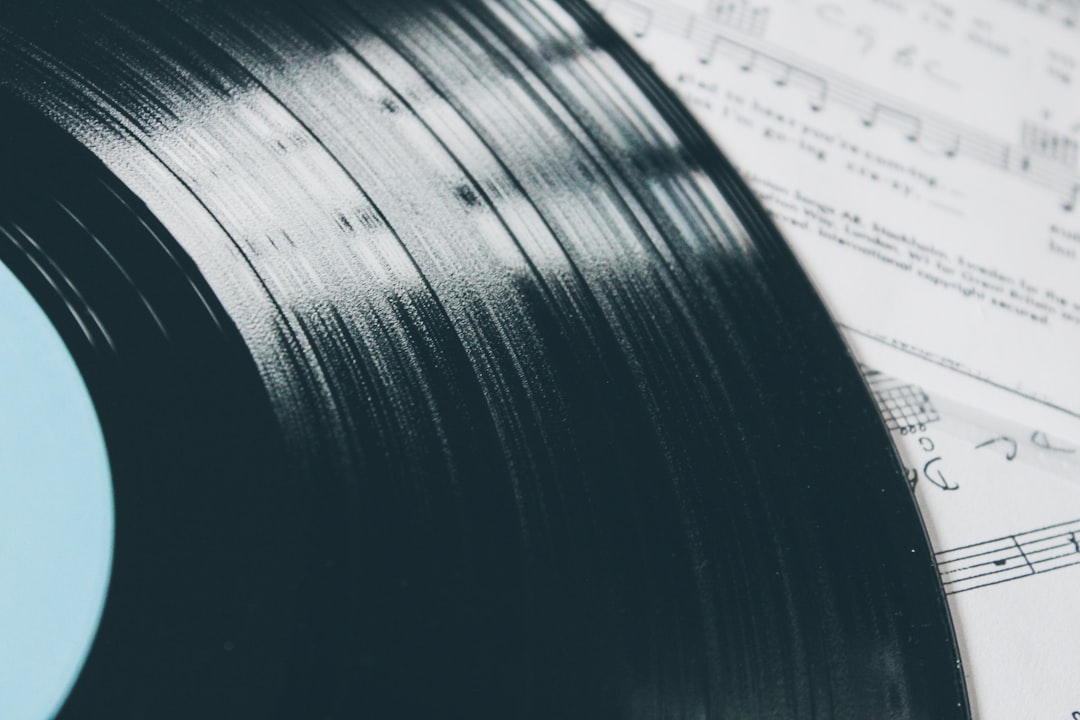
Imagine preparing for the biggest event of your sporting career, only to find out that the soundtrack backing your routine might not be entirely original. This was the reality for Czech ice dance duo Katerina Mrazkova and Daniel Mrazek at the recent Olympics. They chose an AI-generated piece of music to accompany their performance, but soon realized the melody raised red flags due to unintentional plagiarism from large language models (LLMs).
As AI-generated art and music become increasingly popular, this eye-opening incident reveals the hidden challenges of relying solely on AI tools for creative output. Understanding how these models work helps explain why such issues arise and what performers and creators can do to avoid them.
How Does AI-Generated Music Work?
AI music creation often involves training a model on vast datasets of existing compositions, allowing the AI to learn patterns and structures in melodies, harmonies, and rhythms. Large language models (LLMs), originally designed to understand and generate text, have been adapted to generate sequences of musical notes, lyrics, or even entire soundtracks.
By predicting the next note or chord based on prior input, AI systems can craft seemingly unique pieces without direct human intervention. However, the AI’s “creativity” is limited by its training data—if it over-relies on memorized sequences or patterns from copyrighted works, it risks reproducing them too closely.
What Went Wrong for the Czech Ice Dancers?
Katerina Mrazkova and Daniel Mrazek opted for an AI-generated soundtrack to set themselves apart. While AI music offers a novel way to create distinctive performances, their experience highlights a key issue: sometimes, AI-generated music can turn out to be unintentionally plagiarized.
The term plagiarism here means that the AI output closely mirrored existing copyrighted melodies or sequences, which raises serious legal and ethical concerns in public performances. Despite the allure of AI as a groundbreaking tool, it can inadvertently replicate parts of songs it has been trained on.
Common Mistakes When Using AI for Music
- Blind trust in AI originality: Assuming that all AI outputs are unique can lead to problematic overlaps with copyrighted works.
- Ignoring training data implications: Many AI models are trained on massive datasets containing copyrighted material, increasing plagiarism risks.
- Failing to conduct manual checks: Relying solely on AI without human review often lets plagiarized elements slip through unnoticed.
- Using generic prompts: Vague or common prompts often yield more typical and possibly copyrighted outputs, rather than truly novel compositions.
When Should You Use AI-Generated Music?
AI-generated music excels in rapid prototyping, idea generation, and creating background tracks where exact originality is less critical. For instance, hobbyists, content creators, or game developers experimenting with soundscapes may find AI a valuable tool.
However, for public performances, especially high-profile events like the Olympics, rigorous originality and copyright compliance are paramount. In these contexts, AI outputs should be carefully vetted or supplemented by original human compositions to avoid legal risks.
Is AI Music Ready for Public Broadcasting?
Given the current state of AI music generation, it’s a mixed bag. Without careful oversight, AI can produce oddly familiar melodies. But with proper human intervention, editing, and licensing considerations, AI can be a powerful creative assistant rather than a solo composer.
How to Avoid Plagiarism When Using AI-Generated Music?
Here are some practical steps performers and creators can take:
- Use AI as a rough draft tool: Treat AI outputs as starting points, not finished products.
- Manually review AI-generated segments: Listen carefully and cross-check with well-known songs to spot similarities.
- Employ plagiarism detection tools: Use software designed to detect copied music patterns or similar sequences.
- Consult music professionals: Involve composers or legal experts when planning public or commercial use.
- Customize and edit: Alter AI-generated music to shift melodies or harmonies and create truly unique tracks.
What Are Key Takeaways From This Incident?
The Mrazkova and Mrazek case is a cautionary tale about the limits of current AI music technology. It shows that AI music is not always trustworthy without human oversight and that training data can cause inadvertent copyright infringements.
While AI tools continue to evolve rapidly, performers and creators must remember that these technologies are assistance tools, not infallible sources of originality. Balancing AI innovation with ethical, legal, and creative diligence remains crucial.
Can You Trust AI Completely With Creative Work?
Not yet. AI is impressive but still prone to repeating patterns it's seen before. For creative professions—music, art, writing—the best outcomes tend to involve a human-AI partnership, where humans verify and refine content.
Try This Yourself: Check AI Music for Plagiarism
Here’s a concrete way you can test your understanding and the limits of AI-generated music:
- Use a free AI music generator online (like OpenAI's Jukebox demo or other available tools).
- Generate a short music piece with a specific prompt.
- Listen closely to the output, then try comparing it with popular songs on platforms like YouTube or Spotify.
- Use simple music recognition apps or websites to identify if the melody resembles existing music.
- Note where similarities occur and reflect on how AI may have memorized patterns.
This exercise will give you a firsthand look at AI’s creative boundaries and reinforce the importance of careful review when using AI outputs for public contexts.
AI music holds tremendous promise, but as the story of the Czech ice dancers demonstrates, it’s not yet a perfect substitute for human creativity and accountability.
Technical Terms
Glossary terms mentioned in this article
Comments
Be the first to comment
Be the first to comment
Your opinions are valuable to us