
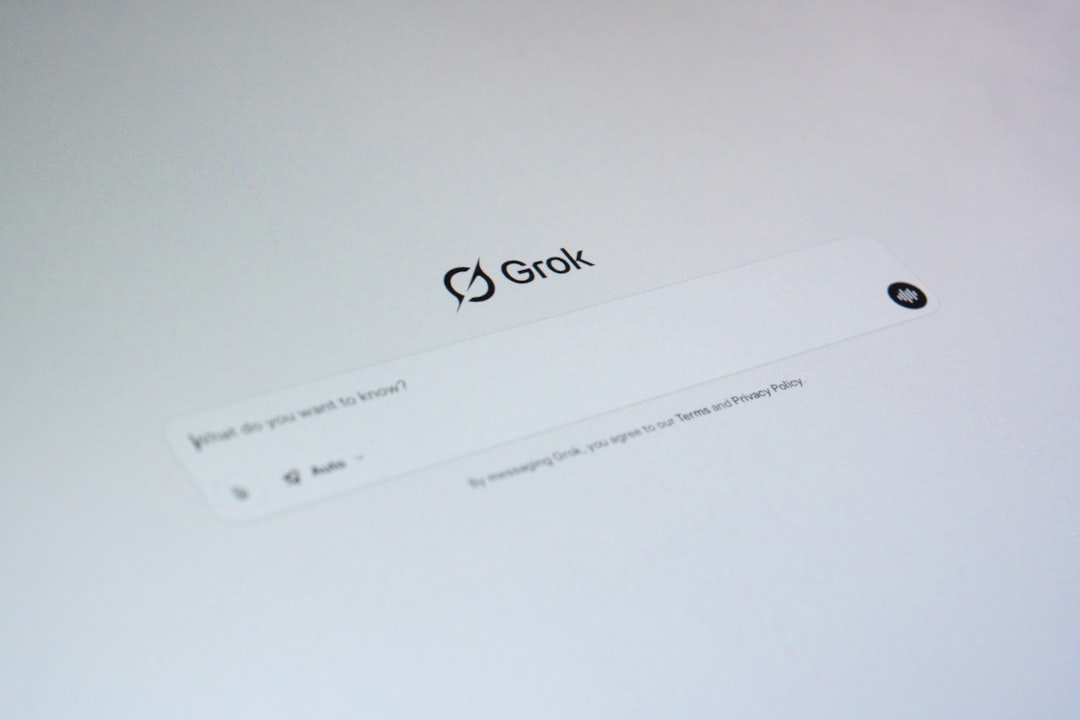
Indonesia Takes a Step Forward by Conditionally Lifting Grok Ban
Indonesia has recently reversed its prohibition on xAI’s chatbot Grok, aligning its stance with neighboring countries Malaysia and the Philippines. The conditional lifting of this ban signals the Indonesian government's cautious optimism toward integrating generative AI tools into daily and corporate life. However, this decision invites scrutiny on the practical implications and the trade-offs involved in embracing cutting-edge AI technology under regulatory constraints.
The question remains: is Grok ready for broad adoption in Indonesia's diverse and rapidly evolving AI environment? Understanding Indonesia’s approach helps contextualize the broader Southeast Asian AI adoption trends.
Why Was Grok Banned Initially?
The ban on Grok in Indonesia, and similarly in Malaysia and the Philippines, initially stemmed from concerns over misinformation, data privacy, and the chatbot's potential misuse. Grok, a conversational AI developed by xAI, leverages advanced generative AI models to interact naturally with users, but such openness also implies risks, especially in societies with sensitive regulatory landscapes.
To appreciate the fine balance governments try to maintain, it’s important to recognize that Grok operates by processing vast amounts of data to generate humanlike text responses. This complexity makes controlling outputs challenging, posing risks of disseminating inaccurate information or biased results.
How Does Grok Work?
At its core, Grok is a generative AI chatbot designed to simulate human conversation using deep learning techniques. It uses a model architecture that predicts text based on input prompts, generating coherent and contextually relevant responses. Although this sounds straightforward, the underlying technology involves multiple neural network layers trained on diverse datasets.
Generative AI refers to systems that can create new content such as text, images, or audio from learned examples rather than just analyzing or classifying data. Grok's capability lies in this generative power, offering dynamic, real-time conversation but also opening avenues for unpredictable answers.
What Does 'Conditionally Lifted' Actually Mean for Grok in Indonesia?
The lifting of the Grok ban is not absolute; it’s conditional, meaning there are restrictions and monitoring mechanisms in place. Indonesia’s regulatory bodies likely require compliance with data protection laws, content monitoring, and possibly operational transparency from xAI.
This approach reflects a compromise between embracing AI innovation and mitigating risks. Yet, practical implementation poses challenges:
- Compliance Costs: Ensuring Grok adheres to local regulations involves ongoing investments in legal review and technical adjustments.
- Monitoring Burden: Continuous oversight of AI outputs requires both human expertise and automated systems, raising operational complexity.
- User Trust: Indonesian users must develop trust in an AI tool previously banned, which influences adoption rates critically.
What Are the Practical Considerations for Businesses and Users?
From a business perspective, integrating Grok or similar chatbots under a conditional regime involves weighing benefits against constraints. Key considerations include:
- Time to Deploy: Adjustments to meet regulatory requirements extend setup times.
- Cost: Compliance and monitoring raise operational expenses beyond the AI’s subscription or licensing fees.
- Risk Management: Organizations must prepare strategies for incidents involving inaccurate or harmful AI responses.
- Localization: Grok’s responses must be culturally sensitive and linguistically appropriate for the Indonesian market, requiring customization.
How Does Indonesia’s Move Compare to Malaysia and the Philippines?
Indonesia's decision follows precedents set by Malaysia and the Philippines, which similarly rescinded bans on Grok under conditional frameworks. Each country balances innovation enthusiasm with cautious regulation:
- Malaysia emphasizes strict data privacy and transparency requirements.
- The Philippines focuses on user education and AI literacy alongside technical controls.
- Indonesia combines these approaches, stressing legal compliance and gradual adoption.
This regional pattern shows a learning curve where governments are experimenting with AI governance models rather than outright bans or blind approvals.
Is Grok Ready for Widespread Use in Southeast Asia?
That remains a key question. Despite Grok’s advanced technology, practical deployment in diverse markets reveals several hurdles:
- Language and dialect diversity complicate seamless interaction.
- Regulatory constraints slow feature rollouts and integrations.
- Public skepticism about AI’s trustworthiness persists, especially after initial bans.
These factors urge caution before heralding Grok as a ready-made solution for broad adoption.
What Should Decision-Makers Keep in Mind?
For organizations considering Grok integration, a pragmatic mindset is critical. Overestimating AI’s capabilities leads to unmet expectations and operational risks. Instead, focus on these action points:
- Define clear use cases where Grok complements rather than replaces human interaction.
- Develop monitoring strategies for AI outputs and potential misuse.
- Invest in user training and communication to manage expectations.
- Stay abreast of evolving regulations, as AI governance is far from settled.
Practical Considerations
The Indonesian experience with Grok underscores broader realities of deploying generative AI in regulated environments:
- Time: Compliance can add months to project timelines.
- Cost: Legal and operational expenses are significant and must be budgeted upfront.
- Risks: Misinformation, bias, and privacy breaches remain inherent AI risks requiring active mitigation.
- Constraints: Conditional lifting means features may be limited or evolve as regulations change.
What Quick Evaluation Can You Do for Grok Adoption?
Within 15-20 minutes, you can assess Grok’s feasibility for your context by asking:
- Does Grok comply with my local data laws?
- What are my organization’s risk tolerance and mitigation plans regarding AI errors?
- Do I have resources for ongoing AI output monitoring?
- Is the intended user base ready and willing to engage with AI chatbots?
- What measurable value will Grok add compared to existing solutions?
This framework helps weigh benefits against concrete limitations, moving beyond hype to realistic decisions.
Conclusion: Indonesia’s Conditional Ban Lift Reflects a Complex AI Reality
The conditional lifting of Grok’s ban in Indonesia marks a cautious step toward generative AI acceptance. It highlights the delicate balancing act between fostering innovation and safeguarding society from AI risks. While this move aligns Indonesia with regional neighbors, it also underscores the challenges that remain for widespread, responsible AI adoption.
For businesses and policymakers, the Indonesian case offers a valuable lens on the trade-offs involved in deploying AI chatbots like Grok, reinforcing that readiness is as much about governance and culture as technology alone.
Technical Terms
Glossary terms mentioned in this article









Comments
Be the first to comment
Be the first to comment
Your opinions are valuable to us