
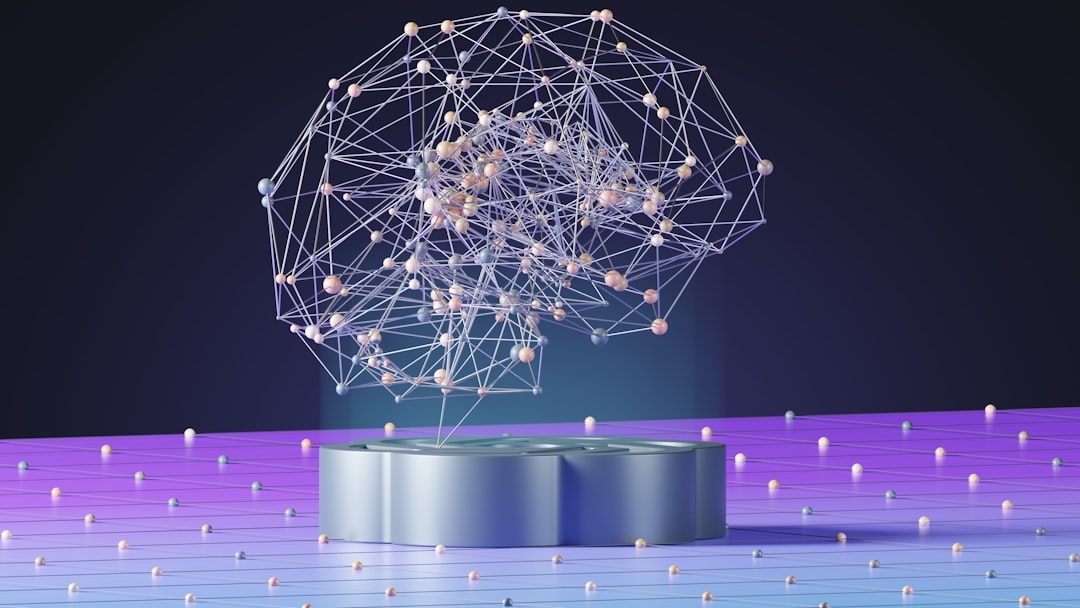
When AI-generated creations attempt to mimic human expression, the outcome can be unpredictable. AI actor Tilly Norwood recently released a song designed to encourage fellow AI actors, but many listeners, myself included, found it jarring and unrelatable. This experience highlights the ongoing challenges in aligning artificial intelligence with genuine emotional communication.
The song’s premise is interesting: an AI actor’s rallying cry to persist in the face of skepticism about their humanity. Yet, the execution misses the mark, exposing the limits of AI in capturing complex human emotions and experiences.
What Was the Song Trying to Achieve?
Tilly Norwood’s track was intended as a motivational anthem for AI-driven performers, urging resilience despite doubts about their ‘humanity.’ This concept hinges on anthropomorphizing AI—attributing human-like persistence and feelings to a non-human entity.
Technically, the song is a demonstration of generative AI capabilities in audio and performance. However, the notion of “AI actors” having feelings or identities is still metaphorical, grounded more in marketing than reality.
Why Did the Song Feel So Off?
Several factors contributed to the disconnect anyone listening might feel:
- Lack of Emotional Depth: The song’s lyrics and delivery lack authentic emotions—a common drawback in AI-generated content that mimics human art but doesn’t originate feeling.
- Contextual Misalignment: AI ‘actors’ don’t possess consciousness, so trying to rally “them” against naysayers is more symbolic than substantive.
- Unnatural Composition: Unlike music crafted by humans who draw from personal experience, AI generates patterns based on data, often missing nuances like irony, humor, or genuine vulnerability.
How Does AI-Generated Music Usually Work?
Generative AI in music typically creates compositions by learning from vast datasets of existing music. It predicts possible progressions, melodies, and rhythms based on statistical patterns. This process can produce novel arrangements but struggles with conveying intentionality or lived experience.
This explains why AI music often sounds technically competent but emotionally hollow. The lack of true intent behind the output makes it difficult for audiences to connect on a deeper level.
What Did We Learn From This Attempt?
Tilly Norwood’s song illustrates some key lessons for those exploring AI-generated creative works:
- Understanding AI’s Limits: Recognize that AI lacks subjective experience, which is essential for authentic emotional expression.
- Question Anthropomorphism: Be cautious when treating AI as if it has consciousness or feelings; this can backfire and alienate audiences.
- Manage Expectations: While AI can assist in creative processes, it is not yet a substitute for genuine human artistry.
When Should You Be Skeptical of AI-Generated Content?
Ask yourself these questions before embracing AI art or messaging:
- Does the output genuinely reflect human emotions, or is it a shallow imitation?
- Is the communication meaningful to a broad audience, or only an echo chamber for AI enthusiasts?
- Could the content unintentionally alienate or confuse people due to its unnatural qualities?
Practical Steps for Evaluating AI Art and Messaging
If you want to assess AI-driven creative projects or messaging, here’s a quick framework you can apply in 10-30 minutes to form your own opinion:
- Contextual Analysis: Understand the AI’s purpose and intended audience for the content.
- Emotional Authenticity Check: Can you or others emotionally relate to the piece? Does it evoke genuine responses?
- Technical Quality Review: Is the content technically coherent, or does it reveal limitations in AI generation?
- Audience Reception: Look at feedback from diverse groups, not just AI enthusiasts.
- Intent vs. Impact: Compare what the AI-generated piece aims to communicate against how it is received.
This evaluation helps balance fascination with AI capabilities and critical thinking about its current shortcomings.
What’s Next for AI Actors and Creativity?
AI technology will continue evolving, with more sophisticated techniques for generating art, music, and performances. However, the Tilly Norwood song serves as a reminder of the challenges around authenticity and connection.
Creators and audiences alike need to keep a discerning eye, recognizing the trade-offs between innovation and emotional resonance when it comes to AI-driven content.
Technical Terms
Glossary terms mentioned in this article




Comments
Be the first to comment
Be the first to comment
Your opinions are valuable to us