
Did you know Ford’s upcoming BlueCruise hands-free driving technology will be 30% cheaper to build than its current system? While lower pricing grabs attention, it raises important questions about performance and value.
As automakers race to deliver hands-free driving, Ford is introducing a new generation of BlueCruise, enhanced with an AI assistant to elevate the driving experience. But is this truly the breakthrough the market expects, or just another costly gadget in disguise?
What Is Ford’s BlueCruise and How Does the AI Assistant Fit In?
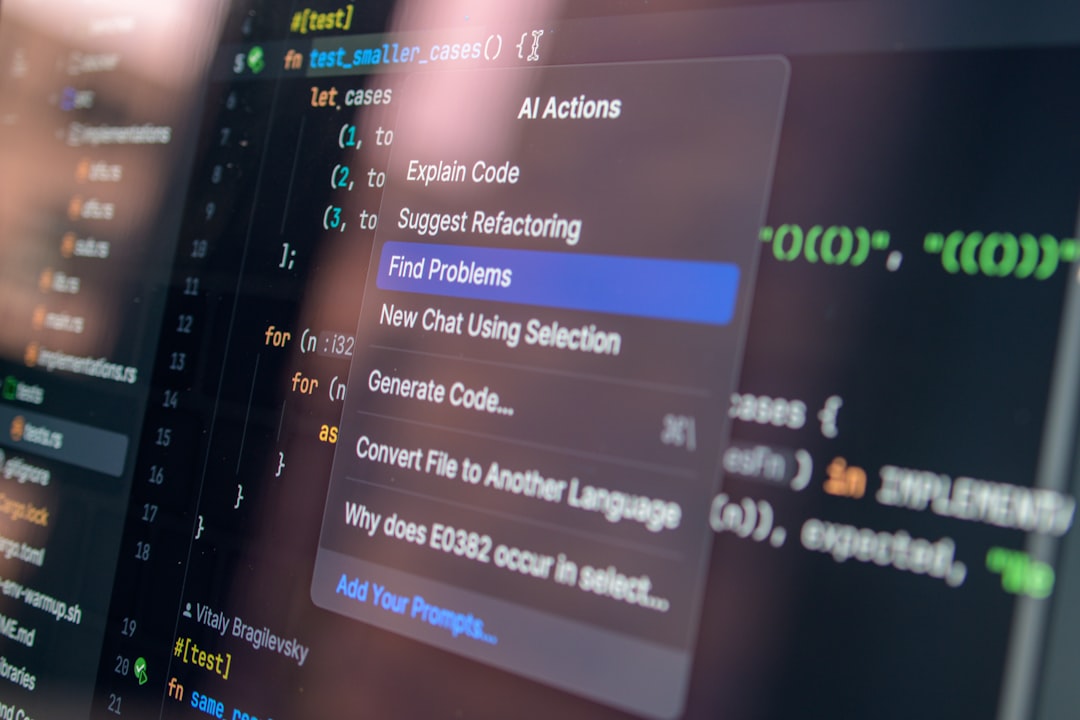
BlueCruise is Ford’s version of hands-free driver-assist technology. It allows certain freeway stretches — called “Blue Zones” — where drivers can safely remove their hands from the wheel while the system maintains speed, lane centering, and distance from other vehicles. The newly announced update integrates an AI assistant designed to improve interaction and responsiveness.
In simple terms, this AI assistant acts like a co-pilot, processing inputs and monitoring driving conditions to support the driver more intuitively. This update aims to reduce driver distraction and improve safety by communicating alerts and adapting more smoothly to traffic dynamics.
How Does BlueCruise’s New Generation Work?
The core innovation is that Ford’s second-generation BlueCruise will rely on a more cost-effective hardware stack, reducing build costs by approximately 30%. This includes streamlined sensors and more efficient computing units, combined with improved software algorithms powered by AI.
To put it in perspective, it's like upgrading your old smartphone with a newer model that has smarter software but uses cheaper, energy-efficient parts — theoretically maintaining performance while cutting costs.
Why Is This Cheaper Build Significant? Should Drivers Expect Lower Quality?
Cost reduction is appealing to both manufacturers and consumers. A 30% cheaper system could make advanced driver assistance more accessible in more vehicles, pushing the technology toward mainstream adoption.
However, affordability often prompts skepticism. Lower cost can imply compromises, such as less accurate sensors or diminished reliability. Yet Ford asserts that the improved software compensates for reduced hardware expenses, ensuring safety and user experience remain intact.
What Are the Known Challenges of Hands-Free Driving Systems?
- Driver Monitoring: Ensuring the driver remains attentive is critical. Earlier systems struggled because drivers often over-relied on assistance and didn’t watch the road closely.
- Limited Operational Design Domain: BlueCruise operates only in predefined freeway zones. Expecting it to handle complex city driving or unexpected weather remains unrealistic.
- Software Reliability: AI systems must process enormous data in real time. Any delays or errors can cause safety issues.
Ford’s AI assistant is designed to mitigate some issues by giving real-time feedback and encouraging safe driver engagement.
How Does Ford’s Approach Compare to Other Hands-Free Systems?
Hands-free driving tech isn’t new. Tesla’s Autopilot and GM’s Super Cruise have similar offerings. BlueCruise originally differentiated itself with a robust driver-monitoring camera and clear communication on where hands-free driving is allowed.
The new AI assistant could be Ford’s answer to improving human-machine interaction – akin to having a smart navigator who not only offers directions but also warns you of hazards proactively.
Comparing this to software development challenges, it’s like shifting from a manual command-and-control interface toward predictive assistance—automating reminders and adapting based on context instead of just reacting.
What Are the Trade-Offs You Should Consider?
- Cost vs. Complexity: Cheaper hardware might reduce upfront cost but could require more frequent updates or maintenance.
- Automation vs. Driver Engagement: The AI assistant should improve safety but could also cause complacency if drivers assume the car is fully autonomous (which it is not).
- Limited Environment: Hands-free driving can only be used on specified highways, limiting convenience for some users.
How Does the AI Assistant Enhance Driver Interaction?
According to Ford, the AI assistant complements BlueCruise by serving as an intelligent mediator between the driver and the vehicle. It can analyze various inputs—like driver eye movement, traffic conditions, and navigation cues—to offer personalized alerts and suggestions.
This approach contrasts with the typical on/off alerts seen in many systems, offering a more conversational and adaptive experience. Think of it as moving from a simple dashboard warning light to a responsive co-pilot who talks to you, making your drive more informed and potentially safer.
When Should Drivers Use BlueCruise With AI Assistance?
BlueCruise is best suited for long highway trips where traffic flow is consistent and predictable — such as commutes on major interstate highways. The AI assistant’s role becomes crucial during moments when traffic shifts suddenly or when drivers become distracted.
However, users should remain vigilant: The system is not designed for urban driving or complex road scenarios. Over-reliance can increase risks if drivers do not resume full control quickly when required.
What Are the Key Takeaways for Consumers Considering This Technology?
- Ford’s next-gen BlueCruise brings improved affordability by cutting production costs by 30%.
- The AI assistant aims to enhance safety by better monitoring driver attentiveness and tailoring alerts.
- Hands-free driving remains limited to designated highways, requiring user vigilance.
- Affordability doesn’t mean cutting corners—performance depends heavily on software quality.
- Consumers should approach hands-free systems critically—understanding strengths, limitations, and safety requirements.
It’s essential to evaluate whether hands-free driving aligns with your driving habits and whether you will use it responsibly.
Evaluating Hands-Free Tech: A Quick Framework
If you want to assess if Ford’s new BlueCruise suits your needs, try this 15-minute checklist:
- Review your regular routes: Are they mostly on highways with BlueCruise-eligible zones?
- Consider your comfort with tech: How will you respond to alerts and automated suggestions?
- Check for hands-free driving availability and limitations on local highways.
- Inspect the vehicle’s driver monitoring system—does it encourage rather than replace driver attention?
- Assess your tolerance for incremental system updates vs. full autonomy.
This pragmatic checklist helps balance excitement with caution, enabling informed decisions.
Overall, Ford’s integration of an AI assistant with a cheaper, hands-free BlueCruise system presents a noteworthy evolution, but users should remain skeptical of any promises that sound too good to be true.
Technical Terms
Glossary terms mentioned in this article









Comments
Be the first to comment
Be the first to comment
Your opinions are valuable to us