
What Led to Iran's Internet Collapse?
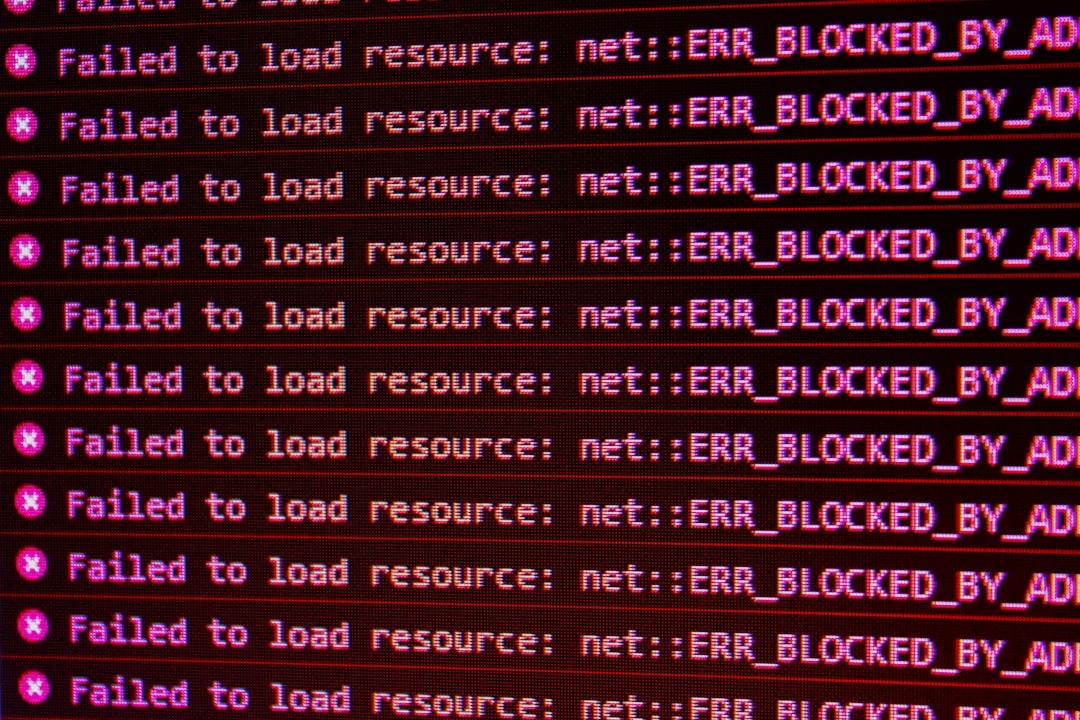
The internet in Iran has almost completely shut down amid escalating protests over severe economic difficulties. According to monitoring firms and experts, major cities across the country are experiencing widespread blackouts of digital connectivity. These protests reflect deep unrest as citizens demand change in response to the ongoing financial crisis.
This near-total internet blackout is a deliberate move by authorities to curb the spread of protest information and disrupt organization efforts. Internet shutdowns, especially during political upheaval, serve as a powerful tool to control narratives and limit external visibility into domestic unrest.
How Does an Internet Shutdown Work in Practice?
Internet shutdowns do not mean total disconnection at every level, but rather targeted, strategic disruptions. In Iran’s case, the government ordered internet service providers and telecoms to sever or drastically limit connections. Key services and platforms, including social media, messaging apps, and international internet gateways, are often selectively blocked.
Technical terms to understand:
- Internet Gateway: Points where a country’s network connects to the global internet.
- Bandwidth Throttling: Intentionally slowing down internet speeds to limit access without total blocking.
- Service Providers: Companies that provide internet access to users.
Iran’s infrastructure allows for granular control of internet traffic, enabling the government to isolate regions or services, effectively reducing communication across the country.
What Are the Consequences of the Internet Blackout?
The impacts are immediate and extensive. Citizens lose access to crucial information, trusted news sources, emergency communications, and the ability to coordinate protests peacefully. For many, this blackout deepens feelings of isolation and frustration.
From a business perspective, the shutdown disrupts e-commerce, banking transactions, and global communications, causing additional strain on an already stressed economy. Foreign investors face uncertainty, and the country’s digital economy stalls.
How Does This Affect Everyday Iranians?
For ordinary people, the internet blackout is more than an inconvenience. Communication with family abroad, access to healthcare information, and educational resources become much harder or impossible.
Many rely on mobile internet, which is heavily disrupted, preventing the use of apps that support day-to-day needs. This situation forces people to turn to alternative, often unsafe or unreliable, channels to communicate.
What Has History Taught Us About Internet Shutdowns?
Internet blackouts during protests are not unique to Iran. Countries facing political unrest often use similar tactics. While effective in the short term for suppressing information, these shutdowns tend to erode trust between citizens and governments and can attract international criticism.
Moreover, the economic cost is significant and ongoing. The digital economy increasingly underpins modern markets, and cutting off access harms innovation and development.
Can Internet Shutdowns Be Prevented or Circumvented?
From a technical and political perspective, circumventing government-ordered shutdowns is extremely challenging. Some use virtual private networks (VPNs), proxy servers, or satellite internet to bypass restrictions. However, the Iranian government actively tracks and blocks such tools during shutdowns.
Developing more resilient and decentralized internet infrastructure is a long-term solution. Yet, this requires political will, investment, and cooperation with international technology standards.
What Should Iranians and Observers Know Moving Forward?
This shutdown reveals the fragility of centralized internet systems under authoritarian control. It highlights the need for:
- Transparency: Open communication about restrictions and intentions.
- Resilience: Building technologies resistant to single points of control.
- Support: International efforts to encourage connectivity and human rights online.
For protesters and citizens, understanding these dynamics is critical to navigating the current crisis and planning for future digital access.
Quick Reference: Key Takeaways
- Iran’s internet collapsed during economic crisis protests as a government tactic to control information.
- Shutdowns involve targeted blocking of services, throttling, and disconnection from global networks.
- The blackout harms communication, economy, education, and access to information.
- Circumventing shutdowns remains difficult due to technical barriers and government monitoring.
- Long-term solutions require infrastructural and political changes supporting open, resilient connectivity.
Decision Checklist: How to Respond to an Internet Shutdown
If you are in a region facing internet blackouts, consider the following steps within 15-25 minutes:
- Assess available communication options: Can you still use SMS, phone calls, or offline messaging apps?
- Check the availability and legality of VPNs or proxy services.
- Identify trusted contacts inside and outside the region for information exchange.
- Prepare offline resources and information backups for critical needs.
- Stay aware of safety protocols around online and offline protest activities.
Evaluating these factors pragmatically helps manage risks and maintain connectivity as best possible in difficult circumstances.
Technical Terms
Glossary terms mentioned in this article









Comments
Be the first to comment
Be the first to comment
Your opinions are valuable to us