
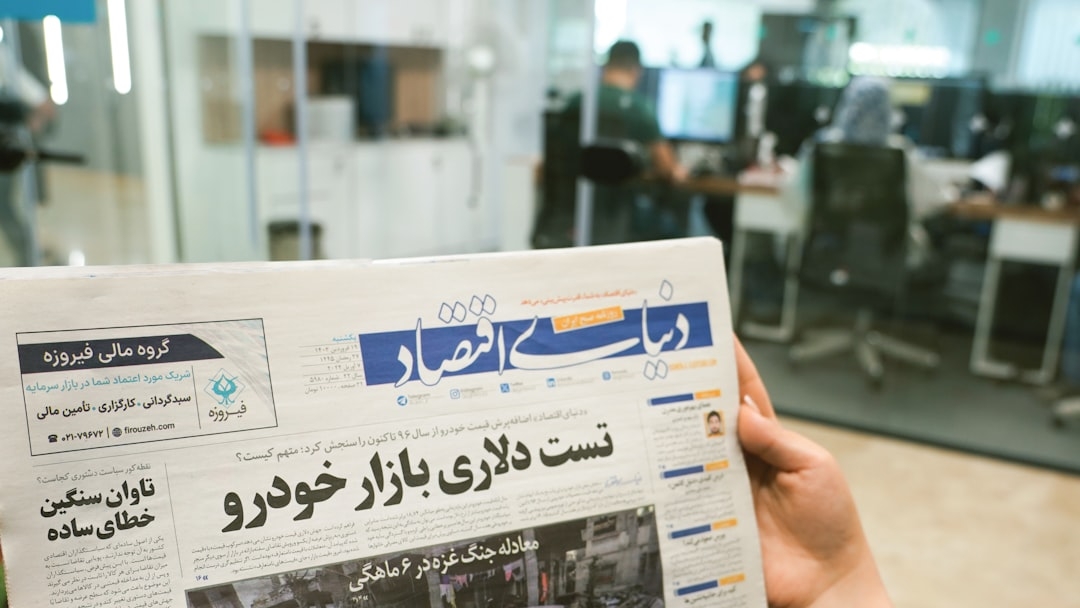
Iran's internet shutdown has now extended into its second week, marking one of the longest government-imposed blackouts in the country's recent history. This drastic move comes as authorities intensify their violent crackdown on widespread protests sweeping through the nation. The blackout is not just an inconvenience—it has far-reaching effects on communication, information flow, and public safety during a critical moment.
What is Happening with Iran’s Internet Shutdown?
The Iranian government has severely restricted internet access across the country, effectively cutting off citizens from the global digital network. This shutdown is a response to ongoing anti-government protests, which many view as some of the most significant dissent movements in recent years. By severing internet connectivity, authorities aim to disrupt communication between protesters, reduce exposure to real-time information, and limit international awareness of the unrest.
Internet shutdowns like this typically involve restricting access to high-speed broadband networks and blocking access to social media platforms, messaging apps, and other online services. In technical terms, shutting down the internet can involve disabling key components like International Gateway Providers, DNS servers, or regional internet exchange points. This results in limited or no connectivity for ordinary users.
Why Does an Internet Shutdown Have Such a Big Impact?
Imagine trying to coordinate a neighborhood watch or emergency response plan without phones or radios. That's the challenge faced by Iranians during this blackout. **Internet access is no longer a luxury; it has become a vital means for communication, sharing news, accessing services, and organizing peaceful protests**.
The blackout also handicaps journalists and human rights groups trying to document and report what’s happening. Without access to reliable online channels, credible information becomes scarce, fostering confusion and allowing misinformation or government narratives to fill the void.
Additionally, the disruption impacts businesses, healthcare systems, and education platforms that rely on internet connectivity, adding economic and social strain to an already tense environment.
How Does Iran’s Internet Shutdown Compare to Past Instances?
Internet shutdowns are not new to Iran, but this current period is one of the longest sustained outages seen in the country. Past incidents were often shorter and localized, dealing with specific flare-ups of unrest. This time, the shutdown covers vast geographic areas and lasts over multiple days, indicating a more aggressive and comprehensive approach by the government.
Comparatively, other countries facing civil unrest have also used internet blackouts as a tool to control protest movements. But the extended duration and the scale of Iran’s shutdown raise questions about its effectiveness versus collateral damage.
When Should a Government Consider Internet Shutdowns?
Governments often justify internet shutdowns claiming they are necessary to maintain public order and security. However, this approach is controversial because it affects millions of innocent users who rely on the internet daily.
From a technical and ethical standpoint, shutdowns are blunt instruments that rarely discriminate between hostile actors and ordinary citizens. Instead of quelling unrest, they can exacerbate tensions by curtailing citizens’ ability to communicate, access emergency services, or gather trustworthy information.
Trade-Offs Between Security and Access
While governments aim to control misinformation and disrupt coordination among dissenters, they risk alienating the general population and international observers. This often leads to a loss of trust in state institutions and harms the country’s global reputation.
Furthermore, such shutdowns can backfire by pushing activists to use more complex, harder-to-control communication tools, making monitoring even more difficult.
How Can Citizens Stay Connected During an Internet Shutdown?
For those experiencing internet blackouts, finding alternative communication channels becomes a priority. There are technologies like satellite phones, mesh networks, and various virtual private networks (VPNs) designed to circumvent censorship and restrictions.
However, using such tools in Iran comes with significant risks. The government actively targets and penalizes individuals attempting to bypass internet controls. Therefore, any solution must carefully weigh personal safety with the necessity to stay connected.
Practical Limitations and Risks
Satellite internet may provide some relief but requires expensive equipment and clear line-of-sight access. Mesh networks rely on community cooperation and nearby devices being online, which is challenging in widespread shutdowns. VPNs might be blocked or heavily monitored, reducing their effectiveness.
What Are the Real-World Consequences of This Shutdown?
Beyond communication hurdles, the shutdown impacts Iran’s economy, especially sectors dependent on digital transactions and global connectivity. Small businesses, freelancers, and service industries face disruptions that could have lasting financial effects.
The blackout also hinders humanitarian efforts by restricting access to accurate information about medical needs and public safety. In emergencies, delayed communication can cost lives.
On a larger scale, the shutdown illustrates how digital infrastructure is a double-edged sword: it can empower people but also be weaponized by states against their own populations.
How to Assess the Impact and Prepare for Future Shutdowns?
Understanding the implications of internet shutdowns requires a multi-dimensional approach. When evaluating these events, consider:
- Duration and Scope: How long is the shutdown and which regions are affected?
- Technical Means: What infrastructure components are affected—international gateways, DNS, mobile data?
- Social Impact: How are citizens and businesses coping? What alternative communication channels exist?
- Political Context: What are the stated reasons versus underlying motives?
Decision Checklist for Coping Strategies
If you are in a region experiencing or vulnerable to internet shutdowns, use this checklist to prepare:
- Identify trusted local and international news sources accessible without the internet.
- Learn about secure communication tools and their limitations.
- Have offline resources ready, such as printed materials and local contact lists.
- Plan emergency communication methods that do not rely on the internet or mobile networks.
- Stay informed about government announcements through multiple channels.
While no approach is perfect, being aware of the trade-offs and risks helps build resilience during prolonged shutdowns.
What’s Next for Iran’s Internet and Its People?
As Iran continues its crackdown and internet shutdown, the world watches closely. The government’s efforts to control digital communication reflect a broader struggle between authoritarian control and citizen freedom.
The ongoing blackout affects not only protesters but every citizen needing to communicate, work, and live in today’s connected world. The balance between control and connectivity remains fragile and uncertain.
Technical Terms
Glossary terms mentioned in this article





Comments
Be the first to comment
Be the first to comment
Your opinions are valuable to us